The short answer
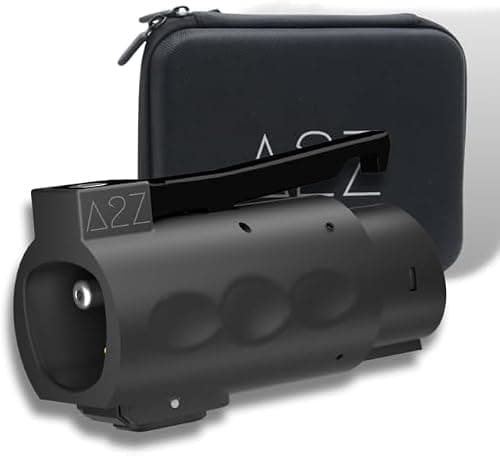
The A2Z EV Atom Plug is the clear pick: 80 A at 240 V, carrying both UL 2252 and CSA certification — the strongest documented safety position of any adapter in this direction — and it costs less than much of the uncertified competition. The LENZ adapter is the cheapest certified option, at 80 A with a UL 2251 listing. Buy this direction if your car is a Tesla, Cybertruck or 2025+ Ioniq 5 and your charger is J1772.
Quick picks
Ranked by fit for the stated use case first, then price, then warranty and support. Tap any row to jump to the full assessment. Commission rate plays no part in the order.
| # | Product | Best for | Score | Price |
|---|---|---|---|---|
| 1 | 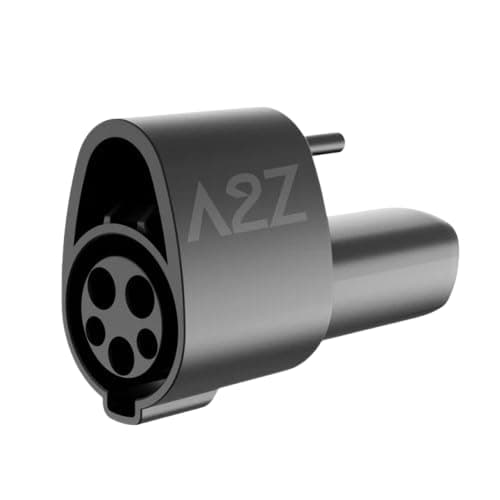 A2Z EV Atom Plug J1772 to NACS Adapter80 A, 240 V, and carrying both UL 2252 and CSA certification, which is the strongest documented safety position of any adapter in this direction at any price. | A Tesla on a J1772 charger — the one to buy | 9.4 | |
| 2 | 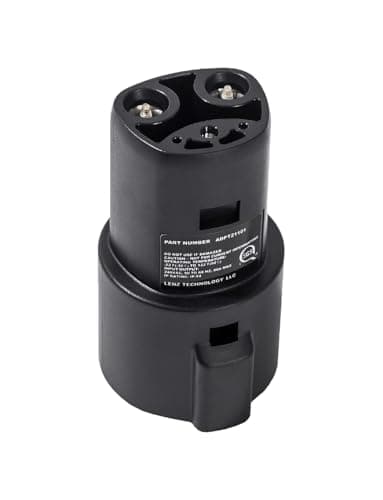 LENZ J1772 to NACS Adapter (UL 2251)80 A with a UL 2251 listing at under thirty dollars — the lowest price at which we would put a part in the charging path. | The cheapest certified option | 8.6 | |
| 3 | 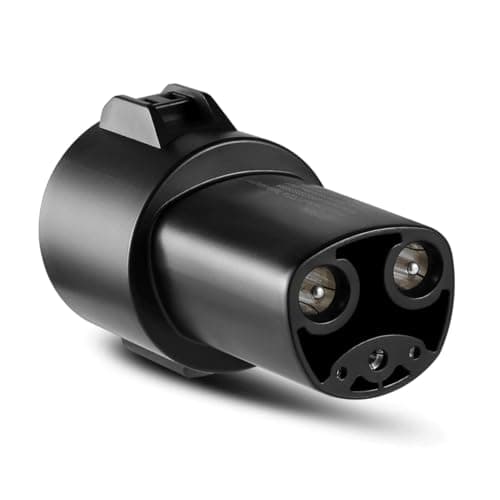 Lectron J1772 to Tesla Adapter (80 A)80 A at 240 V from the best-distributed adapter brand. | A spare to leave in the frunk | 8.4 |
Why you might need one
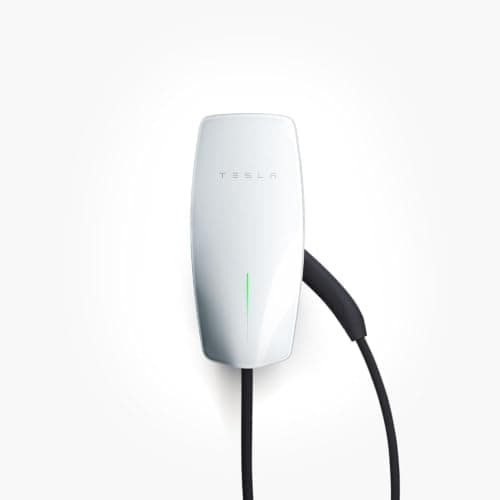
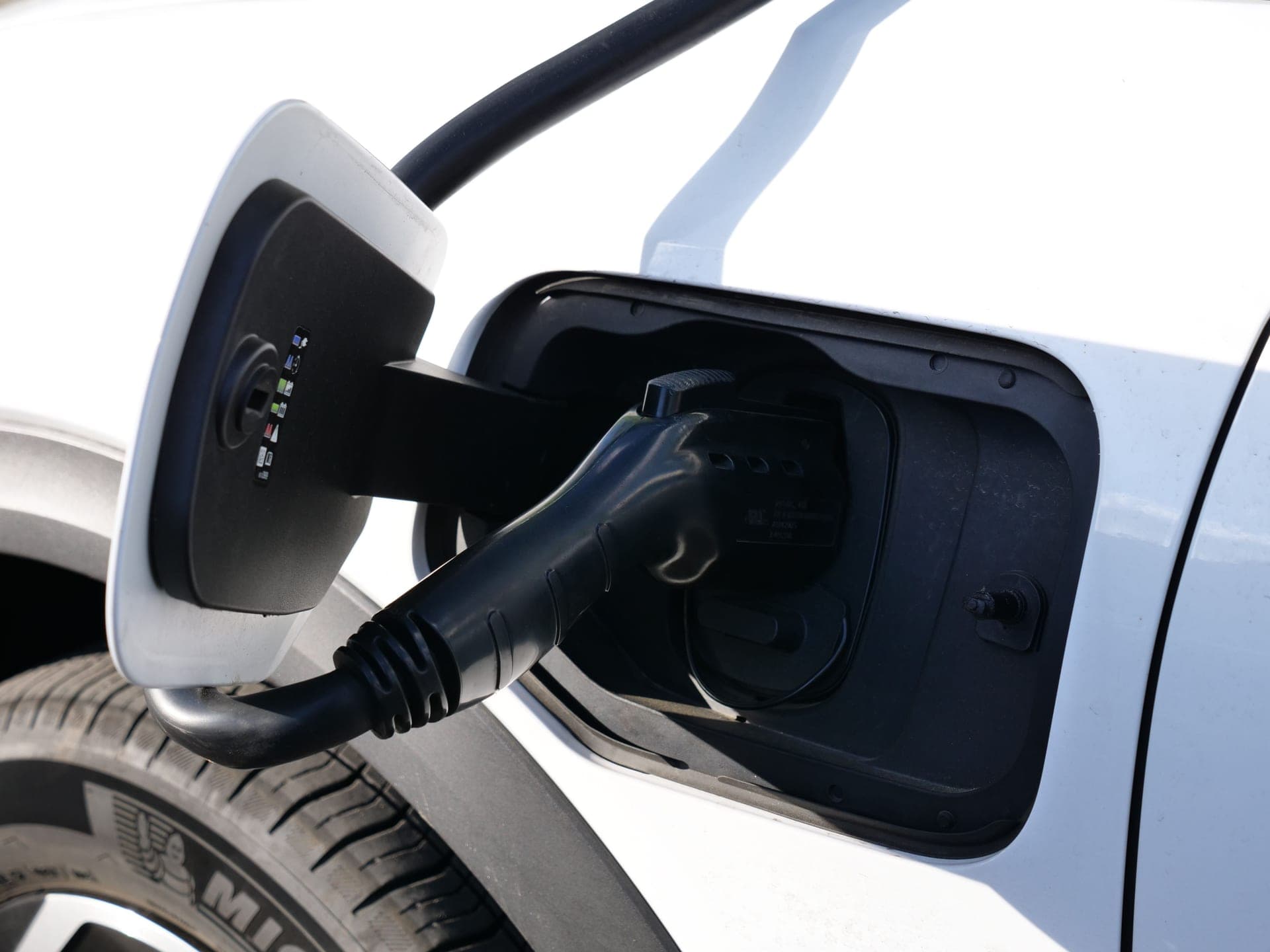
A Tesla has a NACS port. Most of the installed base of home and public AC chargers in the US is J1772. So this adapter expands where a Tesla can charge, in three specific situations:
- A J1772 charger at home, which is most third-party units. Several manufacturers sell NACS versions, but if you already own a J1772 charger or want the widest choice, the adapter is the answer.
- Public Level 2 charging, which is overwhelmingly J1772 and will be for years.
- A relative's or a friend's charger, which is the use case most Tesla owners actually hit.
- A workplace charger.
The comparison
| Adapter | Rating | Certification | Notes |
|---|---|---|---|
| A2Z EV Atom Plug | 80 A, 240 V | UL 2252 and CSA certified | The strongest documented position, and cheaper than much uncertified competition |
| LENZ J1772 to NACS | 80 A | UL 2251 | The cheapest certified option |
| Lectron J1772 to Tesla | 80 A, 240 V | Thinner documentation | Best distribution and easiest to replace |
Certification: what the numbers mean
Worth a short explanation, because “UL listed” gets used loosely in this category.
| Standard | What it covers |
|---|---|
| UL 2251 | Plugs, receptacles and couplers for electric vehicles |
| UL 2252 | EV inlets, connectors and adapters — the standard most specific to this part |
| UL 2594 | EVSE — the charger itself, not the adapter |
| A generic electrical mark | Something was tested. Not necessarily to a coupler standard |
Why 80 amps rather than 48
No home charger delivers 80 A to a Tesla — the car accepts 48 A. So an 80 A adapter is running at roughly 60% of its rating, which means cooler, which means slower degradation of the contacts over years of nightly use.
A 48 A adapter on a 48 A charger has no margin. It is not unsafe on a well-made part, and it has no reason to be the choice when the 80 A parts cost the same or less.
Buy two
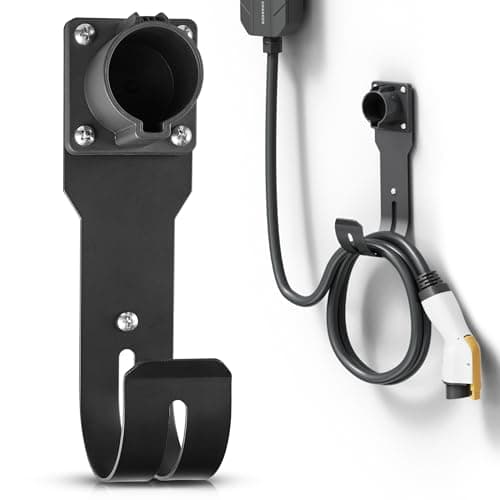
A genuine recommendation. These parts are small, cheap and easy to leave behind. One lives on the home charger's handle or in a drawer; the second lives permanently in the car. That way you are never the person who drove to a J1772 charger with the adapter sitting on a workbench at home.
It is also the best gift in this category for a Tesla owner, for exactly that reason — see gifts for a new EV owner.
What these do not do
- They do not work at non-Tesla DC fast chargers. These are AC adapters. CCS1 DC charging on a Tesla is a separate, vehicle-specific arrangement.
- They do not increase charge rate. A Tesla accepts 48 A maximum on AC; the adapter passes current through.
- They do not fit a Supercharger — that connector is already NACS, so no adapter is involved.
How we picked
Every part here is currently purchasable and, where we recommend it for a high-amperage application, carries certification to an actual EV coupler standard — UL 2251 or UL 2252 — rather than a generic electrical mark. We verified each one's published ratings against the manufacturer's own material on the date at the top of this page. We verify specifications; we do not bench-test — see our methodology. Ranking is fit for the stated use first, then rating headroom, then certification, then price. Commission rate plays no part in it.