The short answer
Cost = (miles / 100) x kWh-per-100-miles x $-per-kWh / 0.9. Your kWh per 100 miles is on the EPA window sticker and on fueleconomy.gov; your rate per kWh is on your utility bill. The 0.9 allows for charging losses. For a car at 28 kWh per 100 miles driving 1,000 miles a month at 16 cents per kWh, that is roughly $50.
cost = (miles / 100) x kWh-per-100-miles x $-per-kWh / 0.9
Two inputs you can find in five minutes
kWh per 100 miles is the EPA efficiency figure for your exact trim — on the window sticker, or at fueleconomy.gov. $ per kWh is the all-in rate on your utility bill, including delivery charges and not just the energy charge. The 0.9 accounts for AC-to-DC conversion losses: roughly 10% of what your meter records never reaches the battery.
A worked example
A 2026 Tesla Model Y Long Range AWD, which EPA rates at 27.5 kWh per 100 miles. You drive 1,000 miles a month at a residential rate of 16 cents per kWh:
(1000 / 100) x 27.5 x 0.16 / 0.9
= $48.89 for the month
EPA efficiency figure from the US DOE / EPA fueleconomy.gov service, 2026 Model Y Long Range AWD, queried October 5, 2026. Substitute your own rate and mileage; the arithmetic is the same.
Change only the rate and watch what happens:
| Rate per kWh | Monthly cost, 1,000 miles | Annual |
|---|---|---|
| $0.10 | $30.56 | $366.67 |
| $0.13 | $39.72 | $476.67 |
| $0.16 | $48.89 | $586.67 |
| $0.20 | $61.11 | $733.33 |
| $0.28 | $85.56 | $1,026.67 |
| $0.35 | $106.94 | $1,283.33 |
Your car's efficiency, from EPA
| Vehicle (EPA trim) | kWh / 100 mi | kWh per 1,000 mi | Cost at $0.16 |
|---|---|---|---|
| Tesla Model 3 Premium RWD (2026) | 24.6 | 273 | $43.73 |
| Hyundai Ioniq 6 RWD 18in (2025) | 26.0 | 289 | $46.22 |
| Tesla Model Y Long Range AWD (2026) | 27.5 | 306 | $48.89 |
| Chevrolet Bolt EUV (2023) | 29.4 | 327 | $52.27 |
| Volkswagen ID.4 (2026) | 29.8 | 331 | $52.98 |
| Ford Mustang Mach-E RWD Ext (2026) | 30.7 | 341 | $54.58 |
| Chevrolet Blazer EV FWD (2026) | 32.3 | 359 | $57.42 |
| Kia EV9 Long Range RWD (2026) | 38.0 | 422 | $67.56 |
| Tesla Cybertruck AWD (2026) | 42.9 | 477 | $76.27 |
| Rivian R1T Dual Large (2026) | 44.4 | 493 | $78.93 |
| Ford F-150 Lightning 4WD ER1 (2025) | 47.9 | 532 | $85.16 |
| GMC Hummer EV Pickup 3X (2025) | 65.1 | 723 | $115.73 |
Note what the table shows: the car matters as much as the rate. A Hummer EV at 10 cents per kWh costs more to run than a Model 3 at 20 cents.
Finding your actual rate
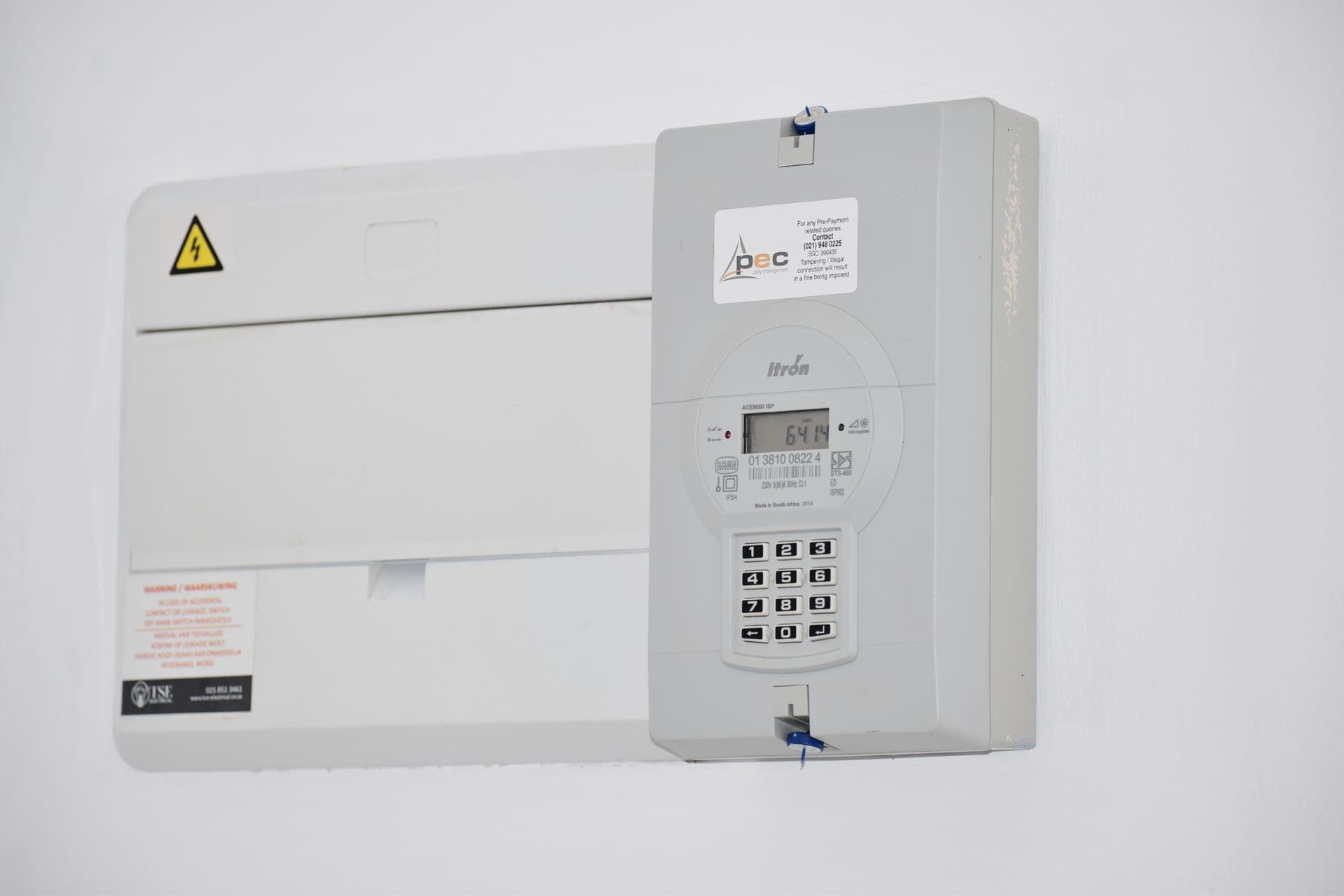
The number on the bill you want is the all-in cost per kWh, not the energy charge alone. Divide the total bill by the kWh consumed and you have it — that captures delivery charges, which in some territories are a large share of the total.
If you are on a time-of-use tariff, use the off-peak rate for charging, because that is when a car should charge. The spread between peak and off-peak is frequently 2-3x, which makes the tariff the single biggest lever available to you — more than any equipment decision. Time-of-use rates and EV charging.
What the 0.9 is doing
Charging is not 100% efficient. Some energy is lost in the AC-to-DC conversion in the car's onboard charger, some to battery thermal management, and some to the car's own systems staying awake. The result is that your meter records more energy than reaches the battery — roughly 10% more as a working figure.
This matters because it means a calculation based purely on battery capacity understates your bill. If you want the actual number, a whole-home or circuit-level energy monitor measures what the meter sees rather than what the car reports.

Knowing what your panel is actually doing
Emporia Vue 3 Home Energy Monitor
Measures the charging circuit directly, which is the only way to know your real consumption rather than the car's estimate. Also finds everything else in the house that is quietly expensive.
#ad Price as of October 5, 2026. How we make money
What is not in this calculation
- The installation, which is a one-off. What installation costs.
- Public charging, which is usually more expensive and sometimes much more. Home against public.
- Any comparison with gasoline, because that depends on fuel prices and the vehicle you would otherwise have bought — both of which we would be guessing at.
- Standing charges or demand charges on some tariffs, which do not scale with your charging.
- Future rate changes, which we will not predict.
A note on rebates
State and utility programs do still exist and some are substantial — several utilities offer dedicated EV tariffs that save more per year than any one-off rebate. EV charger rebates in 2026 has the sourced position and what to ask your utility.