The short answer
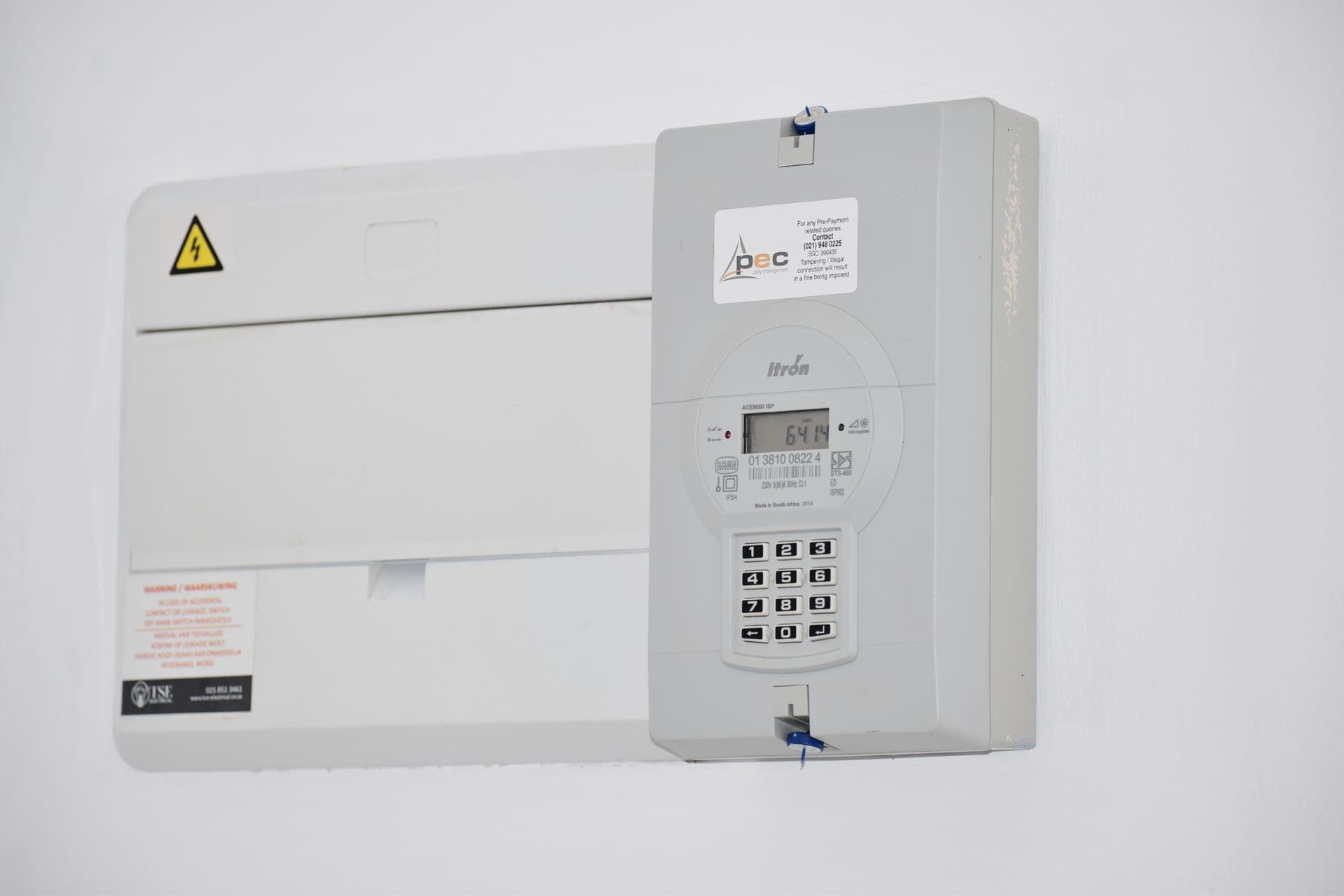
A time-of-use or dedicated EV tariff is usually the single biggest cost lever available to an EV owner — bigger than any charger choice. Peak-to-off-peak spreads are frequently 2-3x, and a car charging unattended between midnight and 6am is the perfect load to shift. Before switching, check what the tariff does to the rest of your consumption, because that is where a bad switch loses money.
Why this beats equipment decisions
Compare the magnitudes. Choosing a 48 A charger over a 40 A one buys you about half an hour of charging speed at 2am. Switching from a flat tariff to one with a 2-3x off-peak discount changes what every kWh costs for as long as you own the car.
1,000 miles/month at 27.5 kWh/100mi = 306 kWh/month. At $0.24 peak = $73.33. At $0.12 off-peak = $36.67
A saving of about $440 a year, on the same car and the same mileage
EPA efficiency figure from the US DOE / EPA fueleconomy.gov service, 2026 Model Y Long Range AWD, queried October 5, 2026, at 90% charging efficiency. The rates are illustrative — use your own utility's actual peak and off-peak figures. The point is the magnitude, which no equipment decision comes close to.
This is also why a dedicated EV tariff is usually worth more than a one-off charger rebate: the rebate is a single payment and the tariff pays every month. When you call your utility, ask about the tariff first. EV charger rebates in 2026.
The three tariff shapes you will be offered
| Type | How it works | Suits |
|---|---|---|
| Whole-home time-of-use | Every kWh in the house is priced by time of day | Households that can shift laundry, dishwashing and charging to off-peak |
| Dedicated EV rate on a submeter | The charging circuit is metered separately at an EV rate | Households that cannot easily shift other consumption — the charger gets the cheap rate regardless |
| EV adder on a standard rate | A discount or credit applied to charging, often with a program enrollment | Varies — read the terms |
The mistake that makes a switch lose money
How to evaluate the offer
- Get the full rate schedule, not the headline off-peak number. You need the peak rate, the off-peak rate, any shoulder period, and the hours each applies.
- Note the seasonal variation. Many tariffs have different peak windows and rates in summer and winter, and the summer peak is usually the expensive one.
- Check the off-peak window length. A six-hour window constrains how much you can charge; a ten-hour one does not. A 48 A charger fits more into a short window than a 32 A one, which is one of the few cases where amperage genuinely matters for cost.
- Check for demand charges. Some residential time-of-use tariffs include a charge based on your peak draw, which a 48 A charger starting while the oven is on can trigger. Load management helps here.
- Run your actual usage against it. Your utility can usually do this from your historical data. If the saving is marginal on paper, it will be marginal in reality.
- Ask about the switch-back terms. Some tariffs have a minimum enrollment period.
Who should enforce the window: the car or the charger?
Both can. The distinction matters more than it sounds.
| The car does it | The charger does it | |
|---|---|---|
| Works with one car, one driver | Yes | Yes |
| Works when a second car plugs in | No — that car needs its own schedule | Yes |
| Works when a guest charges | No | Yes |
| Survives someone overriding it | Easily overridden in the car | Harder to override by accident |
| Costs extra | No — you already own it | A smart charger |
| Survives a cloud outage | Yes | Depends on the charger — ask |
Our smart charger guide treats this as one of the three situations where connectivity genuinely earns its premium.
The demand-charge wrinkle
Some residential time-of-use tariffs include a demand charge based on your highest draw in a billing period. A 48 A charger — 11.5 kW — starting while the oven and the air conditioning are running can set a new peak that costs you for the whole month.
This is a case where whole-home load management earns its money twice: once by avoiding a service upgrade, and again by keeping the household's peak draw down. NEC 625.42 permits limiting an installation's rating through controls, and a charger that measures real consumption can hold total draw below a threshold.
What makes a time-of-use tariff work properly
A charger that enforces the window regardless of which car plugs in, and a monitor that shows you whether the shift is actually happening.
Most households, and anyone with a tight panel
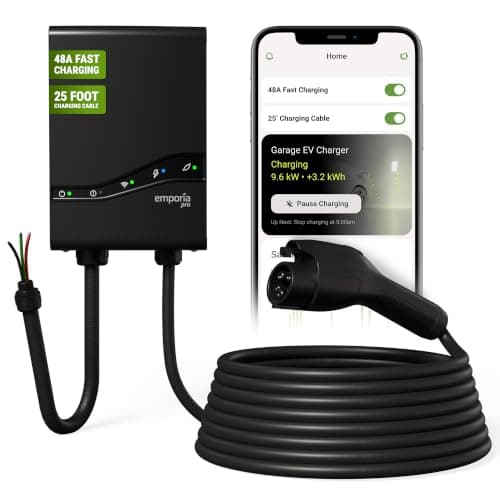
Emporia Pro Level 2 EV Charger
The best-balanced 48 A charger for a typical US house: full 11.5 kW hardwired, and the only unit at this price that ships with a whole-home energy monitor so its load management is reading your actual panel rather than guessing.
#ad Price as of October 5, 2026. How we make money
A house whose panel headroom is uncertain
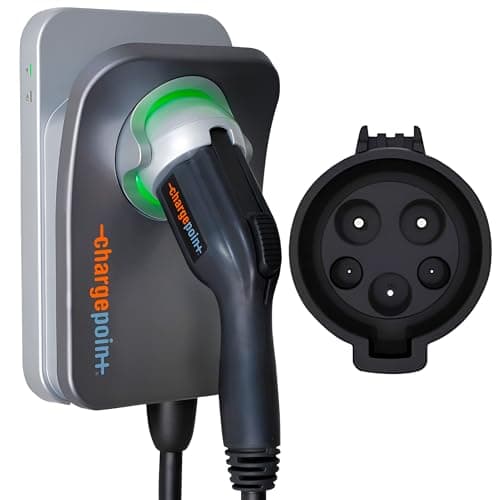
ChargePoint Home Flex (hardwired, 50 A)
The most adjustable charger on this page: output steps through 16, 24, 32, 40, 48 and 50 A in the app, so one unit fits almost any panel and can be turned up later if you upgrade the service.
#ad Price as of October 5, 2026. How we make money
Knowing what your panel is actually doing
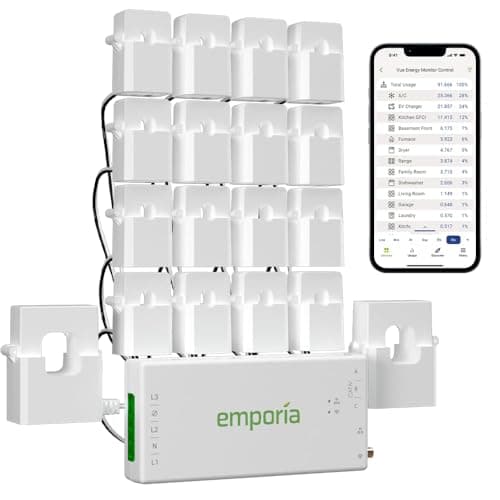
Emporia Vue 3 Home Energy Monitor
The cheapest way to replace a load calculation's assumptions with measurements. If your panel is marginal, a month of real data from this tells you whether a 48 A charger fits better than any rule of thumb will.
#ad Price as of October 5, 2026. How we make money
We earn commission on qualifying purchases at no cost to you. Affiliate disclosure.
Habits that matter more than equipment
- Plug in every night, even when the car does not need much. A schedule only works if the car is connected.
- Set the schedule once and leave it. Fiddling is how people end up charging on peak.
- Shift the dryer and the dishwasher too, if the tariff is whole-home. That is often where the bigger saving is.
- Precondition on the schedule, not after it. Heating the cabin from the wall during off-peak is cheaper than from the battery afterwards.
- Re-check the tariff annually. Rates and windows change, and so does your consumption.