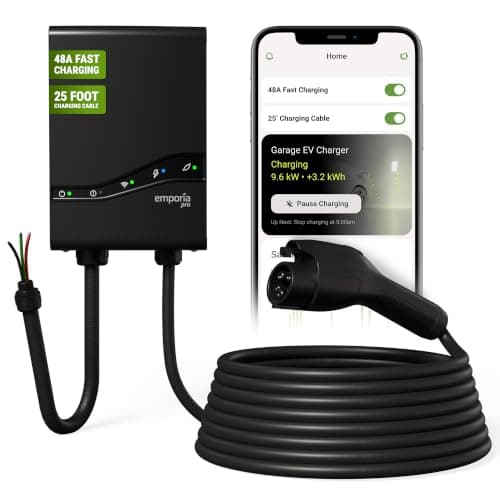
The short answer
A 32 A charger delivers 7.7 kW on a 40 A breaker with 8 AWG copper — a materially cheaper and easier circuit than 48 A. It is the correct size, not a compromise, for every plug-in hybrid, the entry Tesla Model 3 RWD and the Audi Q4 35. The Leviton 32 A hardwired unit is our pick; the Lectron 40 A portable is the better buy if you want portability and do not mind the car capping it.
Quick picks
Ranked by fit for the stated use case first, then price, then warranty and support. Tap any row to jump to the full assessment. Commission rate plays no part in the order.
| # | Product | Best for | Score | Price |
|---|---|---|---|---|
| 1 | 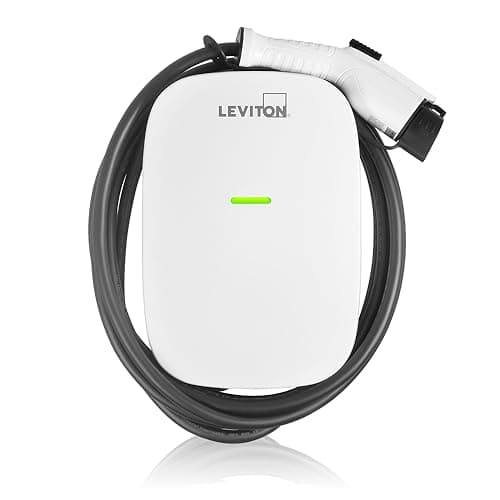 Leviton Level 2 EV Charger (32 A, hardwired)A 32 A hardwired unit — the right size for a Wrangler 4xe, a Model 3 RWD, or any house whose load calculation will not support more. | A 40 A circuit, a PHEV, or a 100 A panel | 8.0 | |
| 2 | 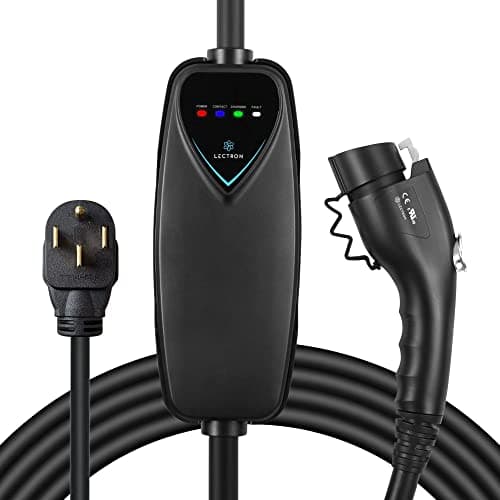 Lectron Level 2 EV Charger (40 A, NEMA 14-50)A 40 A ETL-certified portable charger for roughly half what the smart units cost. | The cheapest charger worth owning | 7.9 | |
| 3 | 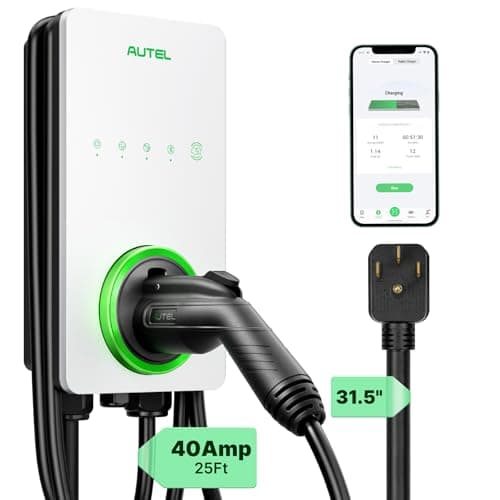 Autel MaxiCharger AC Lite (40 A)The widest output adjustment range here — 6 A to 40 A in the app — plus an operating range down to -40 degF, which makes it the practical pick for an unheated garage in the north. | Cold climates and 1 A output tuning | 8.6 | |
| 4 | 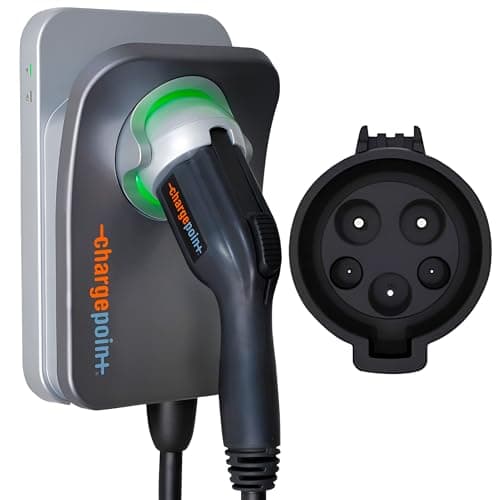 ChargePoint Home Flex (hardwired, 50 A)The most adjustable charger on this page: output steps through 16, 24, 32, 40, 48 and 50 A in the app, so one unit fits almost any panel and can be turned up later if you upgrade the service. | A house whose panel headroom is uncertain | 8.9 | |
| 5 | 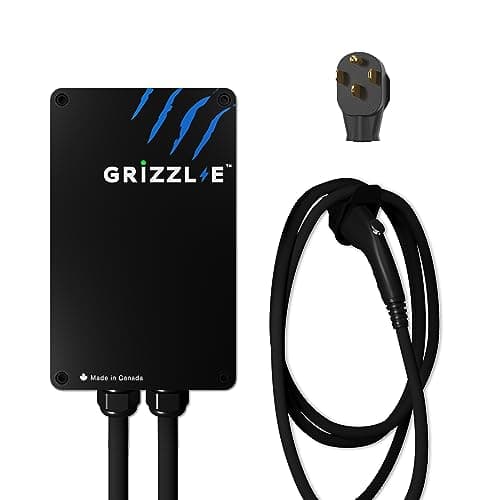 Grizzl-E ClassicA cast-aluminum 40 A charger with dip switches instead of a cloud account. | An outdoor install, and anyone who distrusts apps | 8.5 | $299.99View on Amazon $399.00 list · 25% off |
Why 32 amps is often the right answer
Two completely different reasons, and it is worth knowing which applies to you.
Reason one: your car cannot use more
| Vehicle | Max AC | A 48 A charger would deliver |
|---|---|---|
| Jeep Wrangler 4xe | 7.7 kW / 32 A | 7.7 kW — identical |
| Jeep Grand Cherokee 4xe | 7.2 kW / 32 A class | 7.2 kW — identical |
| Tesla Model 3 Standard RWD | 7.7 kW / 32 A | 7.7 kW — identical |
| Audi Q4 35 e-tron | 7.2 kW / 32 A | 7.2 kW — identical |
| Chevrolet Bolt EV, 2017-2021 | 7.2 kW / 32 A | 7.2 kW — identical |
Reason two: your panel cannot give up more
A 32 A charger needs a 40 A breaker. A 48 A charger needs 60 A. On a service where a load calculation comes back tight, those 20 amps of calculated demand can be the difference between a straightforward install and a service upgrade conversation. See can my panel handle it.
The circuit is genuinely cheaper
| 32 A | 48 A | |
|---|---|---|
| Breaker | 40 A two-pole | 60 A two-pole |
| Copper in conduit (75 degC) | 8 AWG | 6 AWG |
| NM-B cable | 8/2 | 6/2 or conduit |
| Ease of pulling | Noticeably easier | Stiff through tight bends |
| Load added to your calculation | 40 A | 60 A |
| Install type | Hardwired or plug-in | Hardwired only |
What 32 amps actually delivers
| Vehicle (EPA trim) | kWh / 100 mi | Miles per hour at 32 A | Miles in 8 hours |
|---|---|---|---|
| Jeep Wrangler 4xe (2026) | 68.0 | 10 | 82 — the whole battery, twice |
| Hyundai Ioniq 6 RWD 18in (2025) | 26.0 | 27 | 213 |
| Tesla Model Y Long Range AWD (2026) | 27.5 | 25 | 202 |
| Chevrolet Bolt EUV (2023) | 29.4 | 24 | 189 |
| Ford Mustang Mach-E RWD Ext (2026) | 30.7 | 23 | 181 |
Over 180 miles replaced in eight hours on a typical BEV. For a household driving 40-60 miles a day, 32 A is not merely adequate — it has three times the capacity you need.
What we ranked on
- A genuine 32 A unit, or one that sets to 32 A cleanly. The Leviton is fixed at 32 A; the ChargePoint, Autel and Grizzl-E all step down to it.
- Install simplicity. At this amperage, hardwired is clean and plug-in costs nothing in speed.
- Cable length, which matters just as much at 32 A as at 48 A.
- Price, because the whole point of this page is that a smaller charger should cost less.
- The ability to go up later, for anyone who might buy a bigger car.
Adjustable or fixed?
A real decision. A fixed 32 A unit like the Leviton is simpler and has nothing to misconfigure. An adjustable unit — the ChargePoint Home Flex steps 16/24/32/40/48/50 A, the Autel adjusts 6-40 A in 1 A increments — lets you wire for 32 A now and turn it up if you upgrade the service or buy a different car.
If you are confident the car and the panel will not change, buy fixed. If either might, the adjustable unit is cheap insurance — you would be replacing a charger otherwise.
Spend the saving on the install
Where the money is better used
A quality receptacle if you plug in, and the holster that stops the handle living on the floor. Both cost a fraction of the amperage you did not buy.
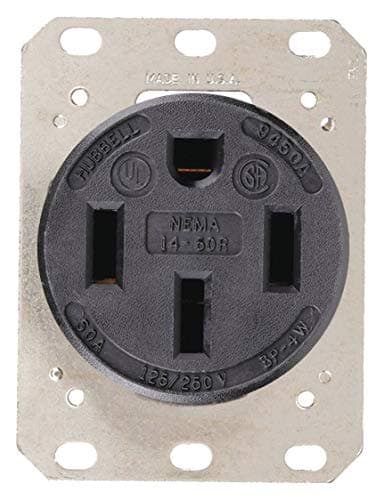
The one part not to save money on
Hubbell HBL9450A NEMA 14-50 Receptacle (industrial)
An industrial-grade 14-50 receptacle. An EV draws 40 A continuously for hours, which is a duty cycle the cheap builder-grade receptacles were never designed for — this is the part that stops a plug-in install from browning its own contacts.
#ad Price as of October 5, 2026. How we make money
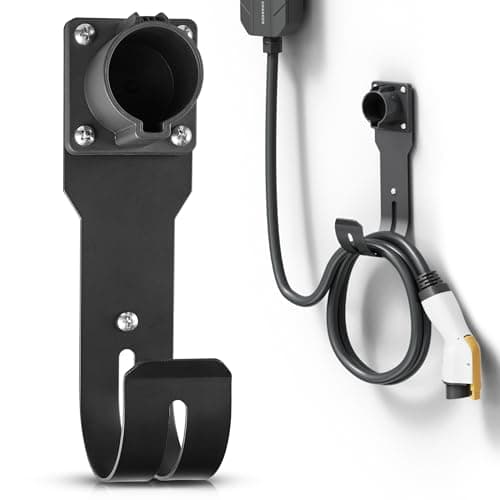
Getting the handle and the cable off the floor
MECMO J1772 Holster Dock and J-Hook
A holster for the handle plus a hook for the loop. The cheapest meaningful upgrade to any charging setup, because a handle that lives on the floor gets stepped on, driven over and eventually fails.
#ad Price as of October 5, 2026. How we make money
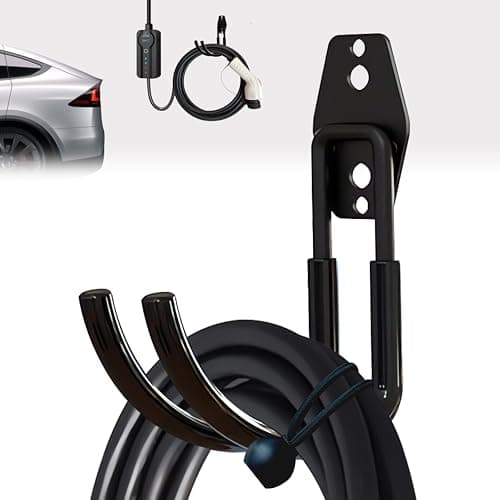
A heavy 25 ft cable that bends plastic hooks
Nexoroot Heavy-Duty Steel EV Cable J-Hook
Steel rather than plastic, which matters with 25 feet of 8 AWG cable hanging on it — the full loop of a premium charger's lead is heavier than people expect.
#ad Price as of October 5, 2026. How we make money
We earn commission on qualifying purchases at no cost to you. Affiliate disclosure.
How we picked
Every unit here is currently purchasable, carries a real UL or ETL certification to an EVSE standard, and comes from a brand with an identifiable North American support path. We verified each one's published specifications against the manufacturer's own documentation on the date shown at the top of this page. We verify specifications; we do not bench-test chargers, and our methodology says so in plain terms. Ranking order is fit for the stated use case first, then price, then warranty and support — commission rate plays no part in it.