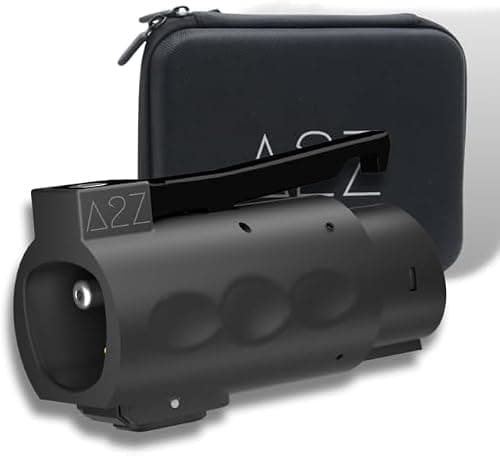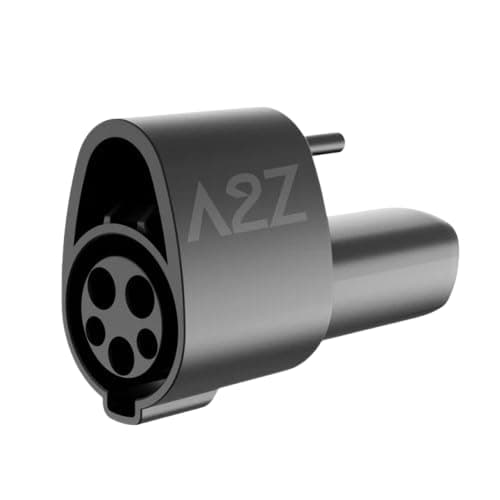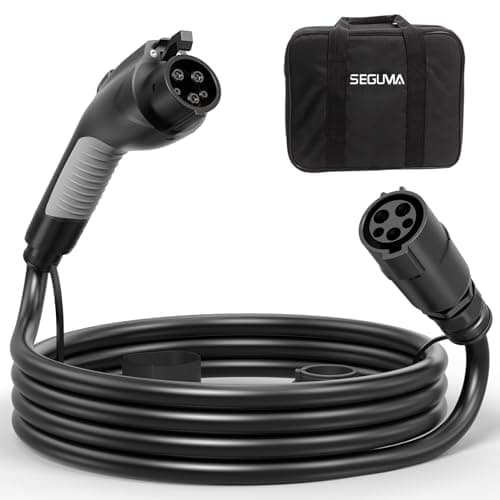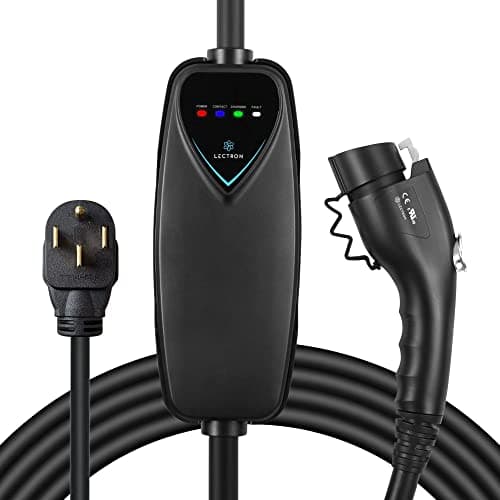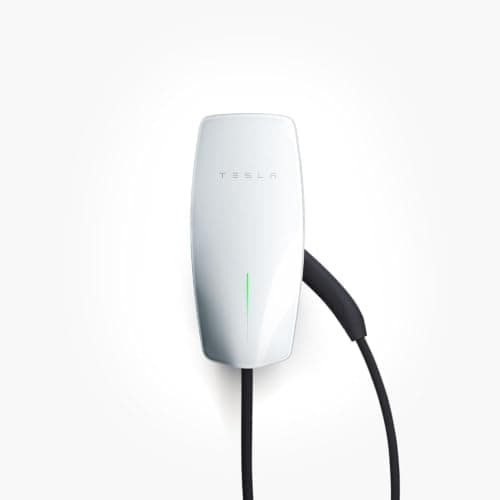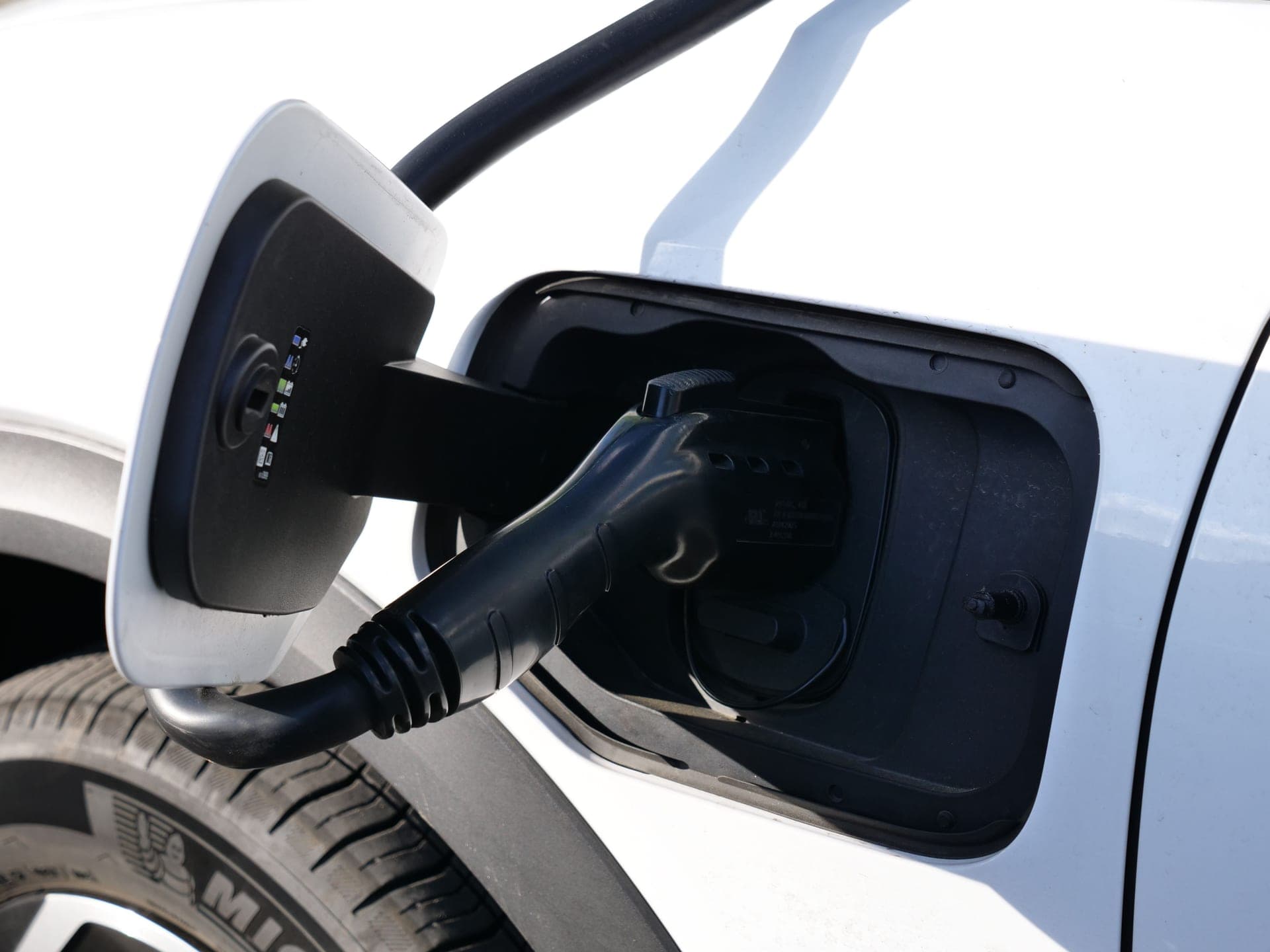
This is the part of home charging where the cheapest components carry the heaviest duty. A $45 adapter sits between your wall charger and your car for eight hours a night at up to 48 amps. A $130 extension cable adds a connection point to a circuit that is already running at its continuous limit. These are not accessories in the usual sense — they are current-carrying parts, and the specification that matters is the one most listings bury.
Which adapter you need, in one sentence
The adapter is named for the source connector first, then the vehicle. A NACS to J1772 adapter lets a J1772 car plug into a Tesla Wall Connector. A J1772 to NACS adapter lets a Tesla plug into a J1772 charger. People buy the wrong one constantly, because the naming reads like a direction of travel and is in fact a description of two ends.
| Your charger | Your car | What you need |
|---|---|---|
| Tesla Wall Connector (NACS) | Tesla, Cybertruck, 2025+ Ioniq 5 | Nothing |
| Tesla Wall Connector (NACS) | Rivian, Ford, GM, BMW, VW, Kia, Jeep 4xe | NACS to J1772 adapter |
| J1772 charger | Rivian, Ford, GM, BMW, VW, Kia, Jeep 4xe | Nothing |
| J1772 charger | Tesla, Cybertruck | J1772 to NACS adapter |
| Either | Two cars with different connectors | A Universal Wall Connector, or one adapter |
Extension cables: the honest position
Most charger manufacturers advise against extension cables, and they are not wrong to. Every connection is a resistance point, every resistance point is a heat source, and a 48 A continuous load finds the weakest one. We still cover them, because the alternative in many real garages is not charging at all, and because an informed choice is better than a desperate one.
If you are going to use one: pick a 50 A rated, UL listed cable, keep it uncoiled, and check the connections warm rather than hot for the first week. And if you find yourself needing more than 20 feet of extension, the better engineering answer is almost always to move the charger or extend the supply side instead — a NEMA 14-50 extension sits before the charger's own protection rather than after it.
The NACS transition, and what it means for you
North America is converging on NACS (standardized as SAE J3400), and that transition is the single biggest source of confusion in this category right now. From the 2025 model year, several non-Tesla models ship with native NACS ports — the Hyundai Ioniq 5 among them. Meanwhile most of the installed base of home chargers, and nearly every car sold before 2025, is J1772.
Practically, that means a lot of households will own one adapter for the next several years, and some will own two. It also means that when you buy a charger now, the connector choice is worth a moment's thought: several manufacturers sell the same unit in both NACS and J1772, and Tesla's Universal Wall Connector carries both with the adapter docked in the unit. Which plug does my EV use covers it by model.
What we will not recommend
An uncertified adapter for a high-amperage application. nacs to j1772 adapter ul listed is a search people actually type, which tells you buyers already know this is the thing to check — and that the market is not answering them well. Where a product's certification is unclear, we say so rather than implying it is fine.