The short answer
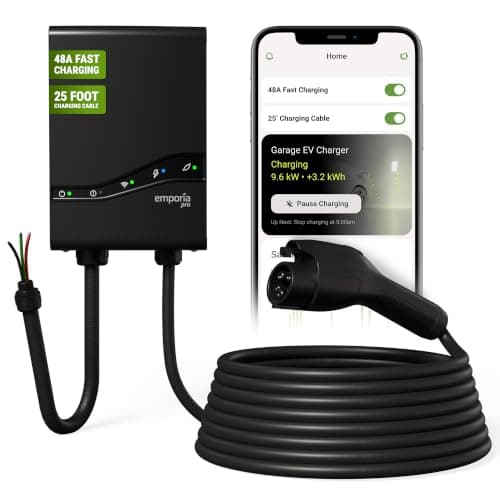
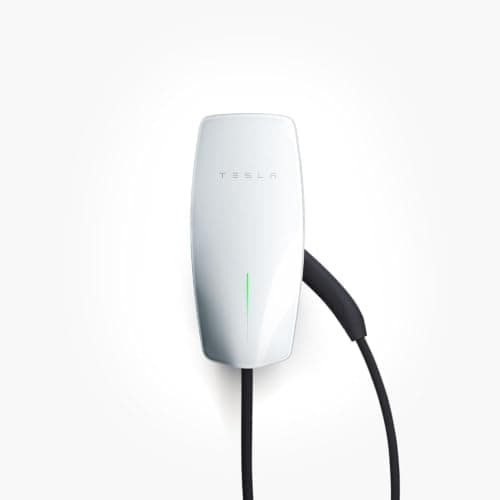
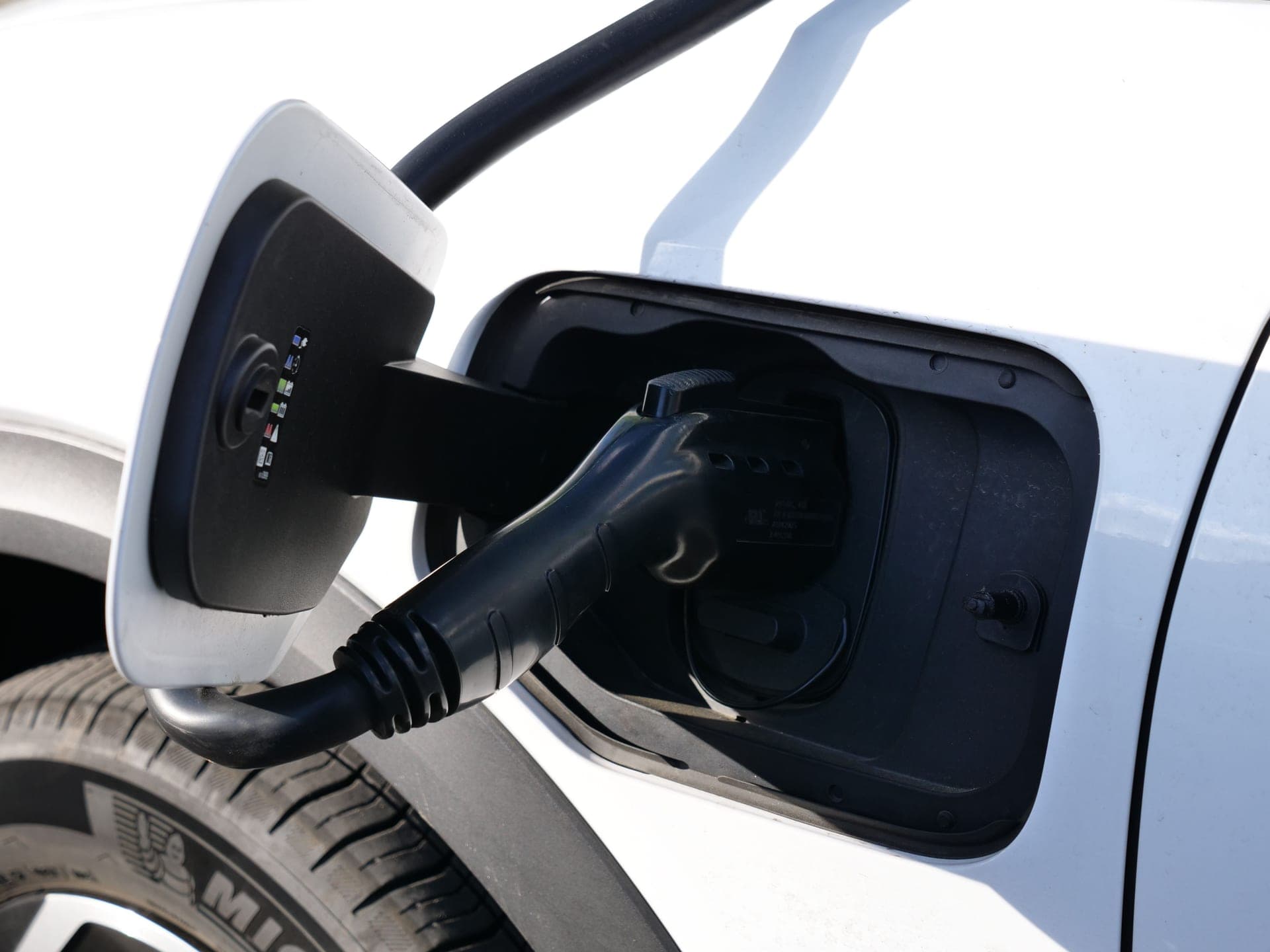
J1772 is the North American AC standard. NACS (SAE J3400) is Tesla's connector, now adopted more widely, and it carries both AC and DC on the same pins. CCS1 is J1772 with two extra DC pins below it, used for DC fast charging on non-Tesla cars. A home charger is always AC, which means only J1772 and NACS matter in your garage — CCS1 is a public-charging connector.
Two charging paths, which is the thing to understand
Almost all confusion in this area comes from treating AC and DC charging as fast and slow versions of the same thing. They are not — they are physically different paths through the car.
| AC charging | DC fast charging | |
|---|---|---|
| Where | Your home charger, public Level 2 | Public DC chargers only |
| Goes through | The car's onboard charger | Straight to the battery, bypassing it |
| Power | 1.9 to 19.2 kW | up to 500 kW |
| Range added | approximately 5-25 miles per hour | approximately 100-200+ miles per 30 minutes |
| Governed by | The onboard charger's rating | The battery and the pack's architecture |
| Connectors | J1772, NACS | CCS1, NACS, CHAdeMO (legacy) |
| Available at home | Yes | No, at any price |
The four connectors
| Connector | Carries | Used by | At home? |
|---|---|---|---|
| J1772 (SAE J1772) | AC only | Most non-Tesla EVs in North America | Yes — the most common home connector |
| NACS (SAE J3400) | AC and DC on the same pins | Tesla, Cybertruck, 2025+ Ioniq 5 | Yes |
| CCS1 | DC (J1772 shape plus two DC pins below) | Non-Tesla EVs at public DC chargers | No — DC only |
| CHAdeMO | DC | Legacy, mostly older Nissan models | No |
Why NACS is smaller
This is a genuinely elegant piece of engineering and it explains the size difference. A CCS1 plug needs two large DC pins in addition to the J1772 AC pins, which is why it is physically big. NACS uses the same two contacts for AC and DC, switching between them, which removes the need for the extra pins.
The practical consequences: a NACS handle is lighter and easier to manage, a NACS port on a car is smaller, and — relevant to your garage — a NACS home charger's handle is more pleasant to use one-handed in the cold.
What this means for adapters
| Adapter | For | Relevant at home? |
|---|---|---|
| NACS to J1772 (AC) | A J1772 car on a Tesla Wall Connector or Destination charger | Yes — our picks |
| J1772 to NACS (AC) | A Tesla on a J1772 charger | Yes — our picks |
| CCS1 to NACS (DC) | A Tesla at a CCS1 fast charger | No — DC only, and usually manufacturer-supplied |
| NACS to CCS1 (DC) | A non-Tesla at a Supercharger | No — DC only, manufacturer-specific |
The transition, and what to do about it
North America is converging on NACS. The Hyundai Ioniq 5 moved to a native NACS port from the 2025 model year and others have announced the same. Meanwhile the installed base of home and public AC chargers is overwhelmingly J1772 and will be for years.
Practically, three things follow:
- Buy a charger in the connector your current car uses, so you are not fitting an adapter every night. Most manufacturers sell both versions of the same unit.
- Keep one adapter in the car regardless. Public AC charging will be mixed for years, and an adapter costs very little.
- Do not buy a charger for your next car. A charger lasts a decade and a car purchase is years away. Optimize for the car in the driveway.
One adapter in each direction
Both carry certification to an actual coupler standard and both are 80 A rated, which is real headroom over any home charger. Buy whichever direction matches your car and charger.
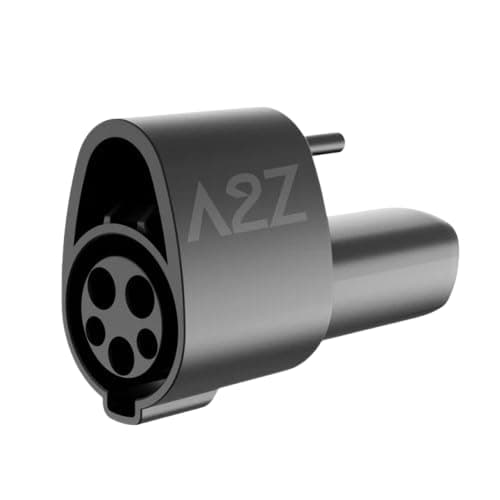
A Tesla on a J1772 charger — the one to buy
A2Z EV Atom Plug J1772 to NACS Adapter
80 A, 240 V, and carrying both UL 2252 and CSA certification, which is the strongest documented safety position of any adapter in this direction at any price.
#ad Price as of October 5, 2026. How we make money
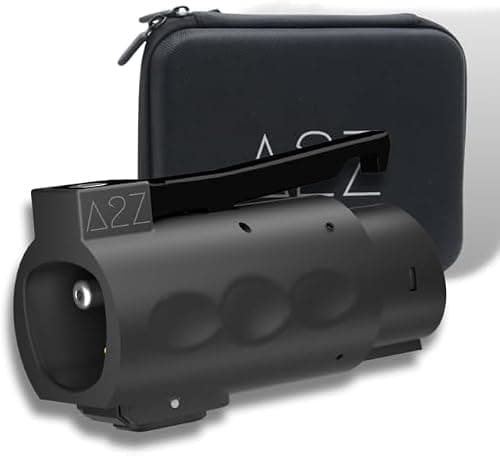
A J1772 car on a Tesla Wall Connector or Destination charger
A2Z EV Stellar Plug NACS to J1772 AC Adapter
Rated 80 A / 19.2 kW, which is well above any home charger's output and the margin you want in a part that carries 48 A continuously for eight hours a night.
#ad Price as of October 5, 2026. How we make money
We earn commission on qualifying purchases at no cost to you. Affiliate disclosure.
A note on what “J3400” means
Tesla's connector was proprietary. It has since been standardized by SAE as J3400, which is what “NACS” now formally refers to. That standardization is why other manufacturers were able to adopt it — it is no longer a single company's design but a published standard any manufacturer can build to.
You will see both names used interchangeably, and both are correct. Which plug does my EV use lists it by model.