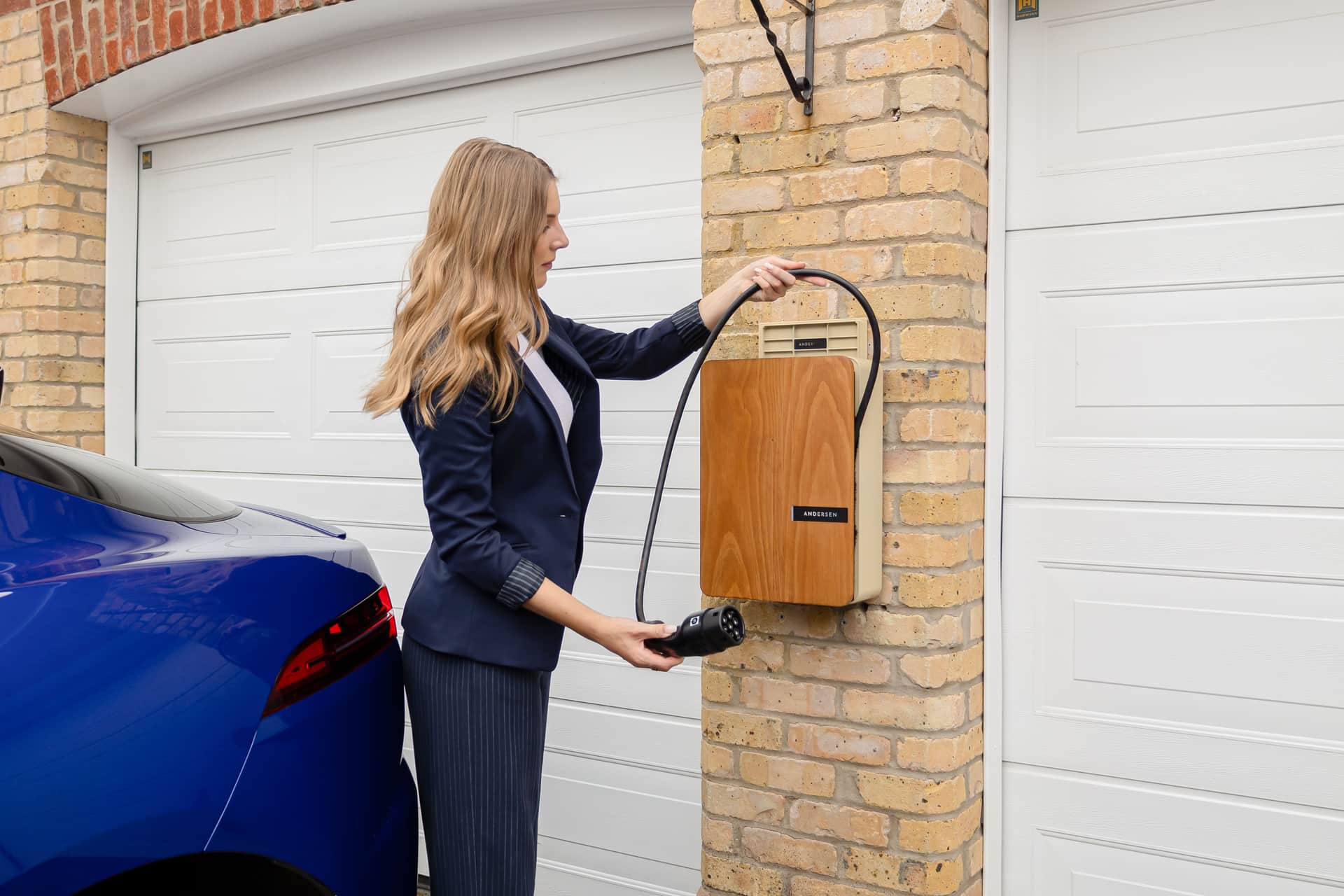
The short answer
The Emporia Pro is the best 48 A charger overall — full 11.5 kW hardwired, a 25 ft cable, and load management with an energy monitor included. The EVIQO 48 A is the cheapest route to a genuine 11.5 kW. Every charger on this page requires a 60 A two-pole breaker and 6 AWG copper, and every one is hardwired-only, because a receptacle circuit cannot carry 48 A continuously.
Quick picks
Ranked by fit for the stated use case first, then price, then warranty and support. Tap any row to jump to the full assessment. Commission rate plays no part in the order.
| # | Product | Best for | Score | Price |
|---|---|---|---|---|
| 1 | 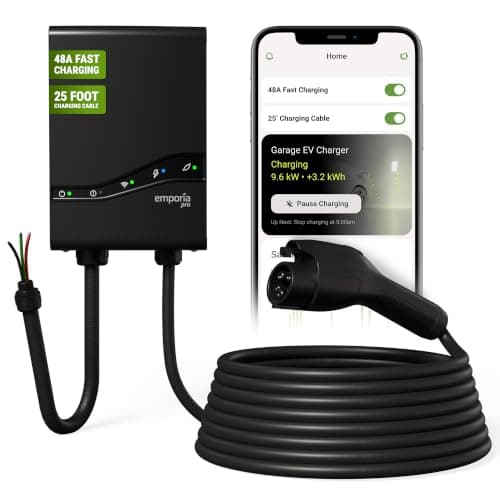 Emporia Pro Level 2 EV ChargerThe best-balanced 48 A charger for a typical US house: full 11.5 kW hardwired, and the only unit at this price that ships with a whole-home energy monitor so its load management is reading your actual panel rather than guessing. | Most households, and anyone with a tight panel | 9.0 | |
| 2 | 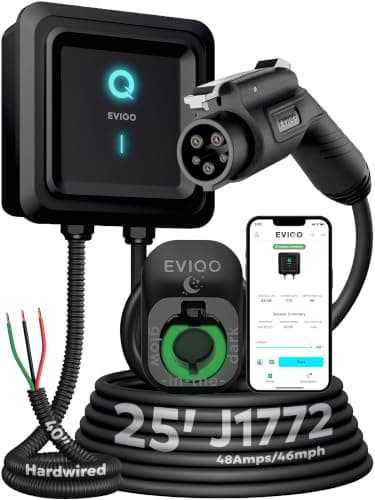 EVIQO Level 2 EV Charger (48 A, hardwired)The cheapest way to get a genuine 11.5 kW hardwired install, with IP66/NEMA 4 weatherproofing and an internal switch for 16/32/40/48 A. | 48 A on a budget | 8.4 | $449.99View on Amazon $510.00 list · 12% off |
| 3 | 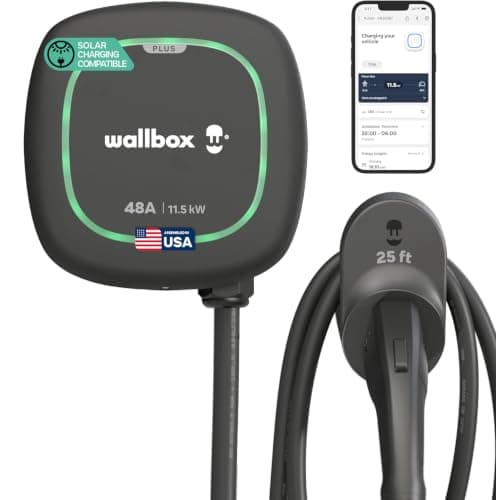 Wallbox Pulsar Plus 48 AA genuinely small 48 A charger — under 8 inches square — which is the deciding factor when the only spot left is a narrow strip of wall beside the panel. | The smallest 48 A unit on a wall | 8.5 | |
| 4 | 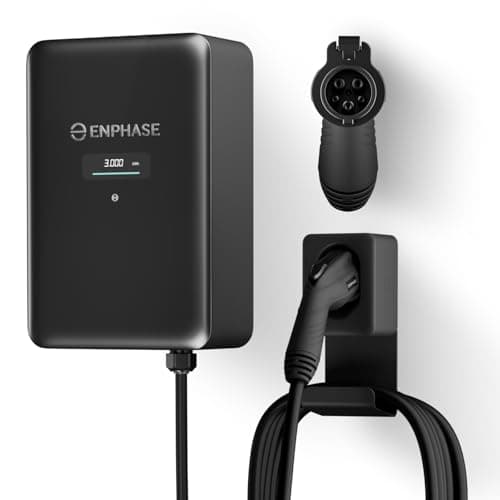 Enphase IQ EV Charger 2 (48 A)The charger to buy if you have solar: it adjusts in 1 A increments to absorb whatever the array is exporting, and it carries a 5-year warranty, the longest here. | A house with rooftop solar | 8.7 | |
| 5 | 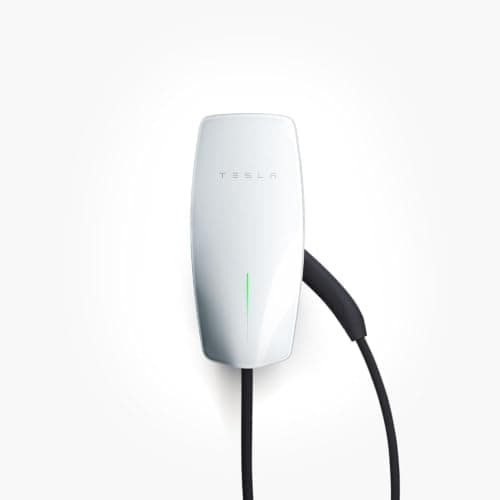 Tesla Wall Connector (Gen 3)If every car in the driveway is a Tesla, this is the cleanest answer: 48 A, a 24 ft cable, and a handle that opens the charge port for you — but it is NACS-only, so a J1772 car needs an adapter every single time. | A Tesla-only household | 8.8 | |
| 6 | 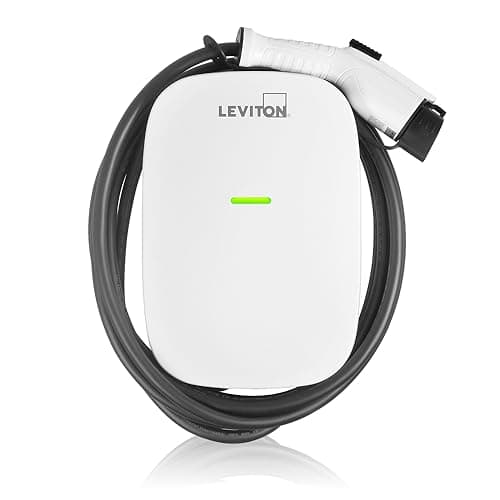 Leviton Level 2 EV Charger (48 A, hardwired)48 A and 11.6 kW from a company your electrician already stocks, which matters more than it sounds: a warranty claim on a Leviton goes through a supply house, not a startup's support queue. | An electrician's default brand | 8.2 |
First: can your car actually use 48 amps?
A surprising number of people buy a 48 A charger for a car that cannot use it. Check before you commit to a 60 A circuit — onboard charger limits by model has the figure for every car we cover.
| Vehicle group | Max AC | 48 A useful? |
|---|---|---|
| Tesla Model Y, Model 3 Premium/Performance, Cybertruck | 11.5 kW / 48 A | Yes — exactly matched |
| Rivian R1T/R1S, Chevrolet Bolt 2022+, Equinox EV, Blazer EV | 11.5 kW / 48 A | Yes |
| Hyundai Ioniq 5/6, Kia EV6/EV9 | 10.9-11 kW | Yes — the car draws just under |
| BMW i4/iX, Audi Q4 40/45/50, Polestar 2/3, VW ID.4 | 11 kW | Yes — the car draws just under |
| Ford Mustang Mach-E | 10.5 kW | Yes — the car draws just under |
| Tesla Model 3 Standard RWD | 7.7 kW / 32 A | No — buy 32 A |
| Jeep Wrangler 4xe, Grand Cherokee 4xe | 7.2-7.7 kW / 32 A | No — buy 32 A |
| Audi Q4 35 e-tron | 7.2 kW / 32 A | No — buy 32 A |
| F-150 Lightning ER, Hummer EV 2024+ | 19.2 kW / 80 A | Yes, and the car could take more than your house can give |
The circuit 48 amps requires
This is the real cost of 48 A, and it is worth being explicit about before you buy the charger.
| 40 A | 48 A | |
|---|---|---|
| Breaker | 50 A two-pole | 60 A two-pole |
| Copper in conduit (75 degC) | 8 AWG | 6 AWG |
| NM-B cable | 6/2 | 6/2, or conduit |
| Load added to your calculation | 50 A | 60 A |
| Install type | Hardwired or plug-in | Hardwired only |
| GFCI breaker needed | Yes if plug-in | No — 625.54 covers receptacles |
6 AWG copper is both more expensive and genuinely harder to pull than 8 AWG, which matters most on a long run through finished walls. If your electrician quotes a large difference between the two circuits, that is real rather than padding.
What we ranked on
- Delivering the full 48 A hardwired, not a 48 A nameplate throttled by a plug-in configuration.
- Cable length. 18 ft to 25 ft across this list, and on a 48 A install you have already committed to a mounting position — the cable has to reach.
- Load management, because a 48 A continuous load is the largest most houses will carry.
- Enclosure and temperature range, which is where the Wallbox's -22 degF lower limit counts against it in the north.
- Warranty, where Enphase's five years is the outlier.
Who should buy which
| Your situation | Buy | Why |
|---|---|---|
| Typical house, want the best all-round unit | Emporia Pro | 25 ft cable, load management, energy monitor included |
| Budget is the constraint | EVIQO 48 A | Cheapest genuine 11.5 kW, IP66 and NEMA 4 |
| Very limited wall space | Wallbox Pulsar Plus 48 A | Under 8 inches square — the smallest 48 A unit here |
| Rooftop solar | Enphase IQ EV Charger 2 | 1 A increments to absorb surplus, 5-year warranty |
| Tesla-only household | Tesla Wall Connector | 24 ft cable, handle opens the port, power sharing |
| Want your electrician's default brand | Leviton 48 A | Supply-house distribution and warranty path |
One thing to set after installation
How we picked
Every unit here is currently purchasable, carries a real UL or ETL certification to an EVSE standard, and comes from a brand with an identifiable North American support path. We verified each one's published specifications against the manufacturer's own documentation on the date shown at the top of this page. We verify specifications; we do not bench-test chargers, and our methodology says so in plain terms. Ranking order is fit for the stated use case first, then price, then warranty and support — commission rate plays no part in it.