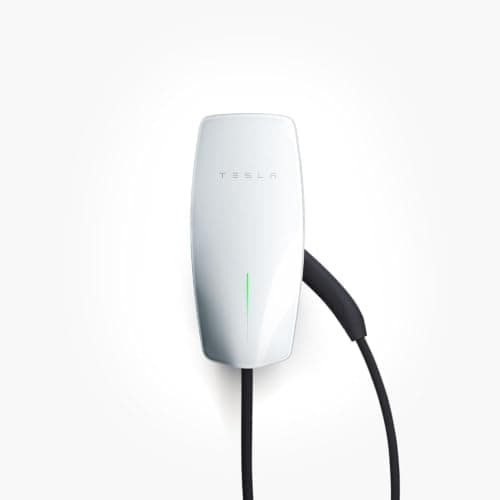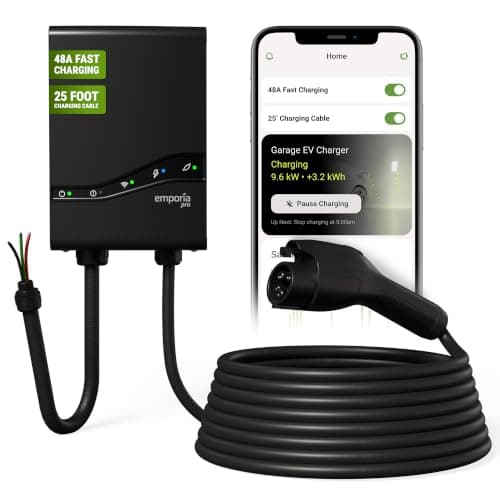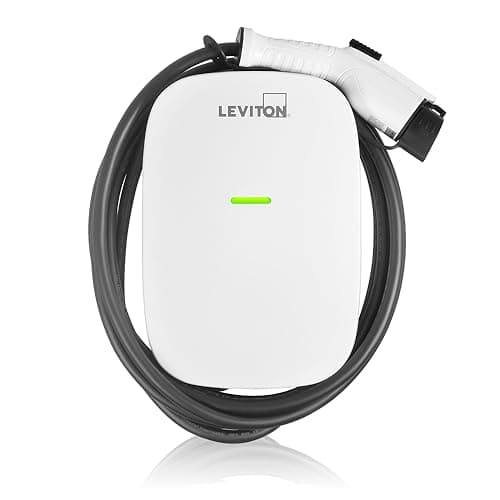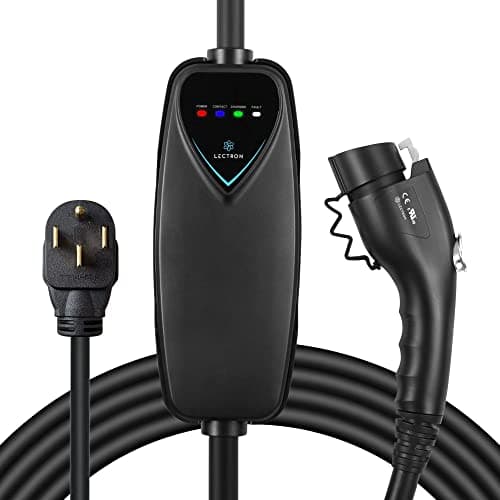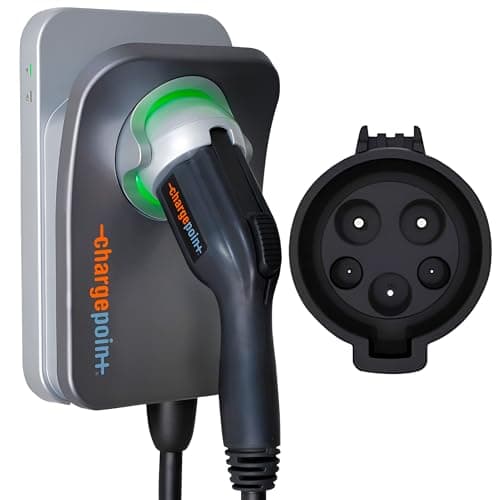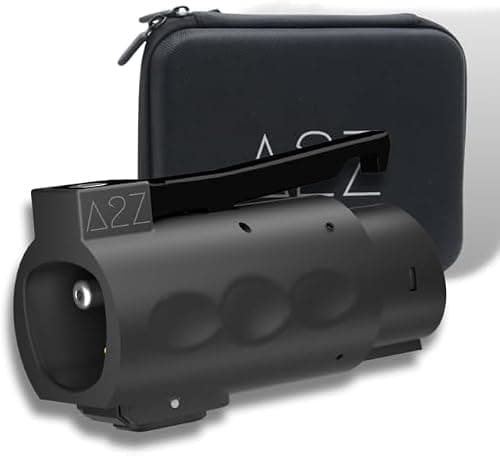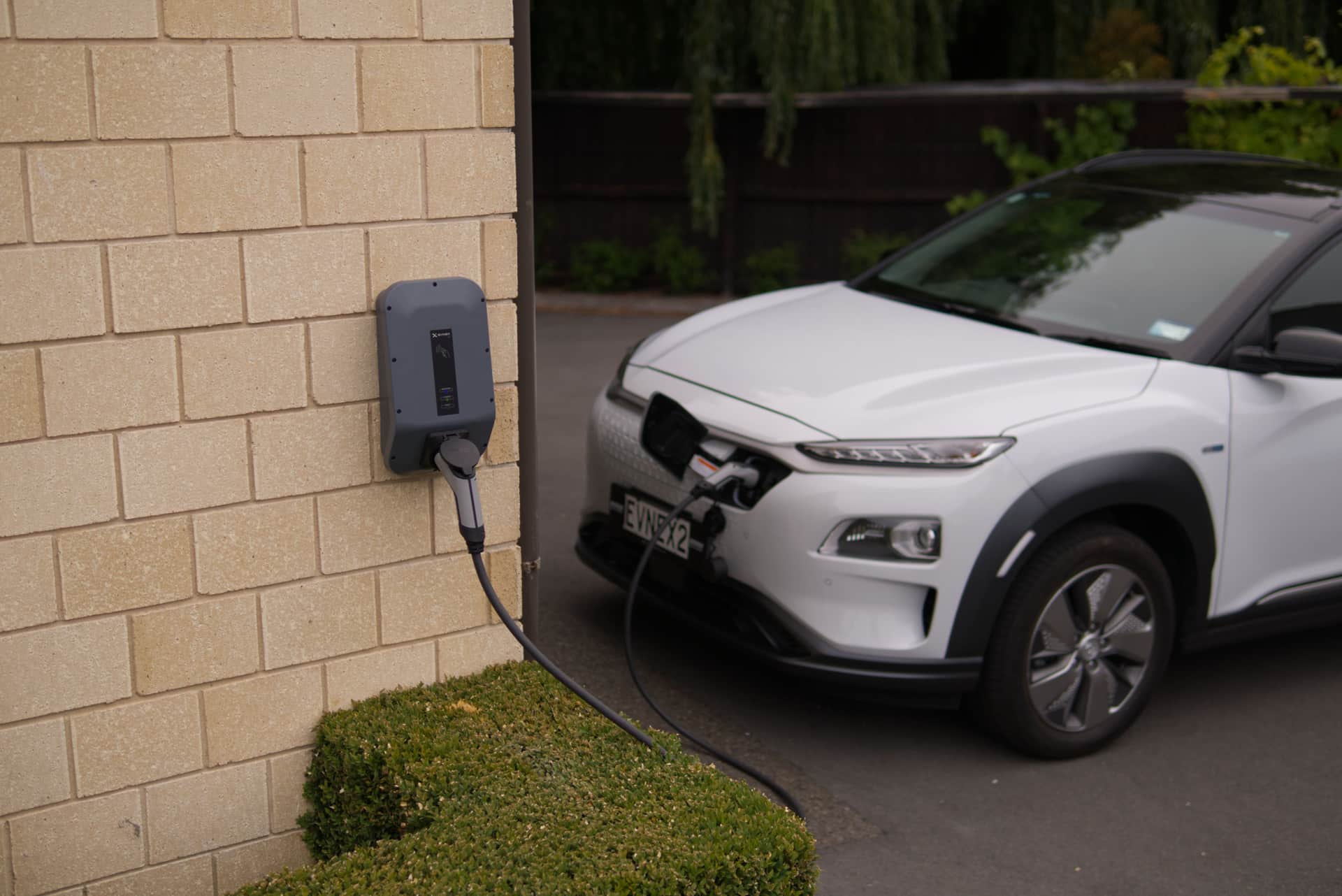
There is one number that decides how fast your car charges at home, and it is not on the charger. It is the maximum AC power your car's onboard charger will accept — the piece of hardware inside the vehicle that converts the AC coming out of your wall into the DC the battery stores.
That number varies enormously. A Jeep Wrangler 4xe accepts 7.7 kW. A Tesla Model Y accepts 11.5 kW. An F-150 Lightning with the Extended Range pack accepts 19.2 kW. All three can be plugged into the same 48 A charger, and all three will charge at completely different rates — because the car, not the charger, is doing the limiting.
Why this hub exists
Most charger buying advice is written about chargers. It will tell you the specifications of ten units and leave you to work out which one your car can use. That is backwards: the car is the fixed constraint and the charger is the variable, so the car is where the decision starts.
So every page here opens with the same thing — your car's maximum AC rate and amperage, cited inline to the manufacturer's own published specification — and then tells you the charger amperage, breaker and wire gauge that follow from it. Where a bigger charger genuinely would help, we say so. Where it would not, we say that too — which on several of these pages means telling you to spend less than you came here planning to.
What else is on each vehicle page
- The constraint, stated first — maximum AC kW and amps, and which connector the car uses (NACS or J1772).
- EPA range and efficiency data from the US DOE / EPA fueleconomy.gov service, per trim, including EPA's own published 240 V charge time.
- Charge-time arithmetic with the formula shown, so you can substitute your own driving and check our work rather than trusting a number.
- Top pick and an alternative, each with a live price and a buy link.
- Which adapter you need, if any — the NACS transition means a lot of households now own one.
- Known issues, where the search data shows owners are hitting them.
The three groups you fall into
| Group | Typical AC limit | Charger | Breaker | Copper |
|---|---|---|---|---|
| Plug-in hybrids (Wrangler 4xe, Grand Cherokee 4xe) | 7.2-7.7 kW / 32 A | 32 A | 40 A | 8 AWG |
| Most battery EVs (Model Y, Ioniq 5, Mach-E, EV6, ID.4, i4) | 10.5-11.5 kW / 48 A | 48 A | 60 A | 6 AWG |
| 80-amp outliers (F-150 Lightning ER, Hummer EV, Equinox EV 19 kW) | 19.2 kW / 80 A | 80 A, if your service allows | 100 A | 3 AWG or larger |
Model year matters more than model
Several cars changed their onboard charger mid-life. The Chevrolet Bolt went from 7.2 kW to 11.5 kW for 2022. The GMC Hummer EV went from 11.5 kW to 19.2 kW for 2024. The Tesla Model 3's entry RWD trim carries 7.7 kW while the Premium and Performance trims carry 11.5 kW. The Chevrolet Equinox EV is sold with either an 11 kW or a 19.2 kW charger, and EPA lists them as separate vehicles with charge times of 9.5 and 5.9 hours.
So check the trim and the year, not just the badge. Each page here names the years it covers, and where a trim differs we show both.
If your car is not listed, the onboard charger limits table is the fastest place to look, and what amp EV charger do I need explains how to find the figure in your own owner's manual.