The short answer
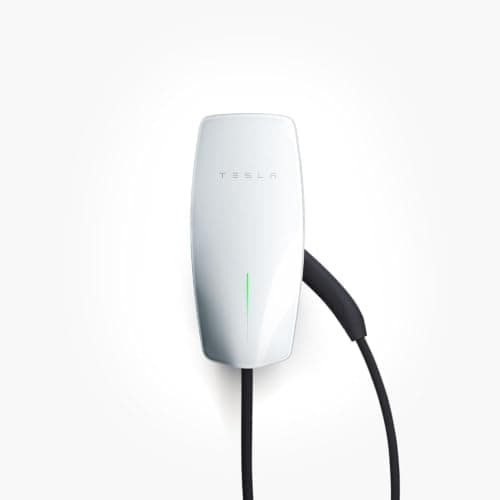
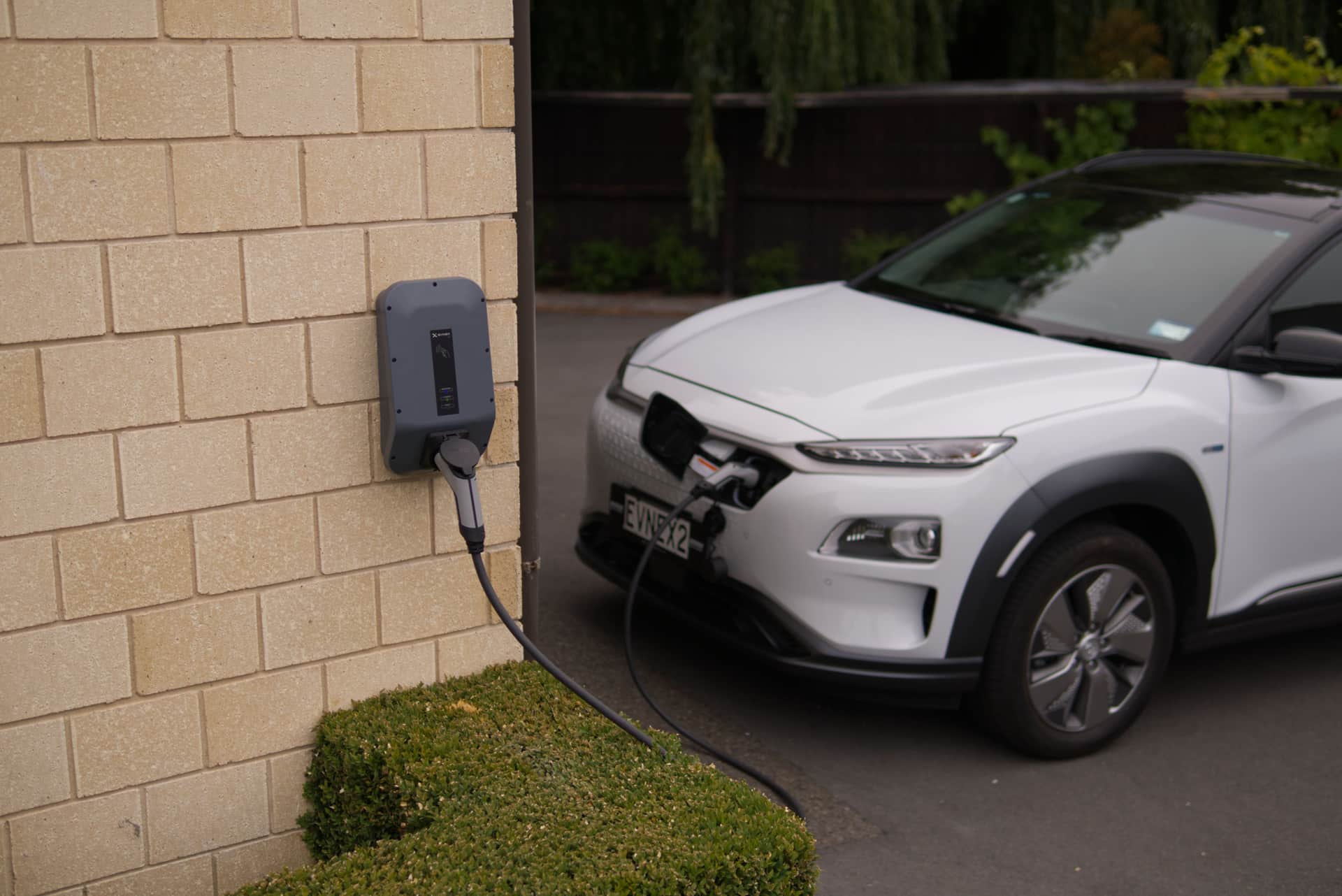
Teslas and the Cybertruck use NACS (standardized as SAE J3400). Most other EVs sold in North America use J1772 for AC charging — Rivian, Ford, GM, BMW, VW, Audi, Kia, Polestar and the Jeep 4xe models among them. From the 2025 model year some non-Tesla models have switched to native NACS, the Hyundai Ioniq 5 first among them. An adapter bridges either direction for AC charging.
Which connector does your car have?
| Vehicle | AC connector | Needs an adapter for |
|---|---|---|
| Tesla Model 3, Model Y, Model S, Model X, Cybertruck | NACS | A J1772 charger |
| Hyundai Ioniq 5, 2025 onwards | NACS | A J1772 charger |
| Hyundai Ioniq 5, 2022-2024 | J1772 | A Tesla Wall Connector |
| Hyundai Ioniq 6 | J1772 | A Tesla Wall Connector |
| Kia EV6, EV9 | J1772 | A Tesla Wall Connector |
| Rivian R1T, R1S | J1772 | A Tesla Wall Connector |
| Ford F-150 Lightning, Mustang Mach-E | J1772 | A Tesla Wall Connector |
| Chevrolet Bolt, Equinox EV, Blazer EV | J1772 | A Tesla Wall Connector |
| GMC Hummer EV | J1772 | A Tesla Wall Connector |
| BMW i4, iX | J1772 | A Tesla Wall Connector |
| Audi Q4 e-tron | J1772 | A Tesla Wall Connector |
| Polestar 2, Polestar 3 | J1772 | A Tesla Wall Connector |
| Volkswagen ID.4 | J1772 | A Tesla Wall Connector |
| Jeep Wrangler 4xe, Grand Cherokee 4xe | J1772 | A Tesla Wall Connector |
Which adapter, in which direction
This is where people buy the wrong part. An adapter is named for the source connector first, then the vehicle — which reads like a direction of travel and is actually a description of two ends.
| Your charger has | Your car has | You need |
|---|---|---|
| NACS handle (Tesla Wall Connector) | NACS port | Nothing |
| NACS handle (Tesla Wall Connector) | J1772 port | NACS to J1772 adapter |
| J1772 handle | J1772 port | Nothing |
| J1772 handle | NACS port | J1772 to NACS adapter |
| Either | Two cars, different ports | A Universal Wall Connector, or one adapter |
The specification that actually matters on an adapter
The adapters we would buy, in each direction
One in each direction, chosen for certification and rating headroom rather than price. The A2Z Atom is the standout — UL 2252 and CSA certified at 80 A, for less than much of the uncertified competition.
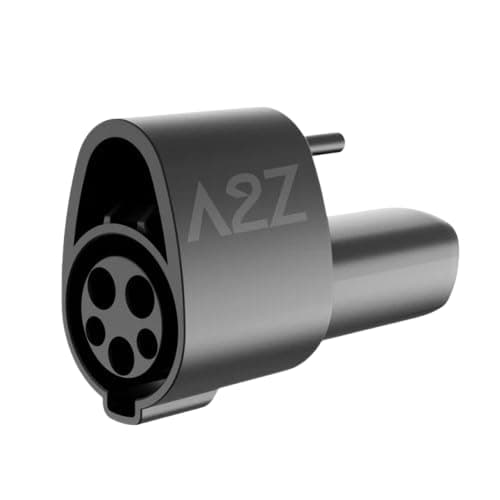
A Tesla on a J1772 charger — the one to buy
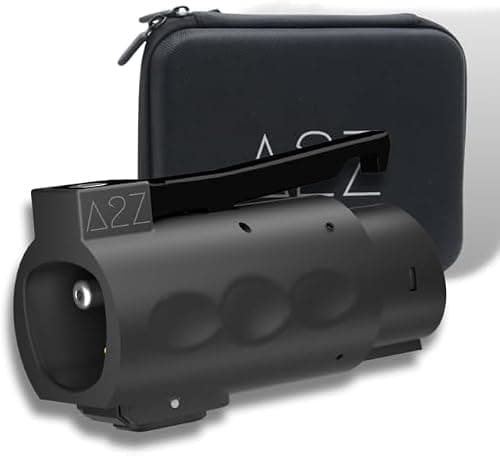
A2Z EV Atom Plug J1772 to NACS Adapter
80 A, 240 V, and carrying both UL 2252 and CSA certification, which is the strongest documented safety position of any adapter in this direction at any price.
#ad Price as of October 5, 2026. How we make money
A J1772 car on a Tesla Wall Connector or Destination charger
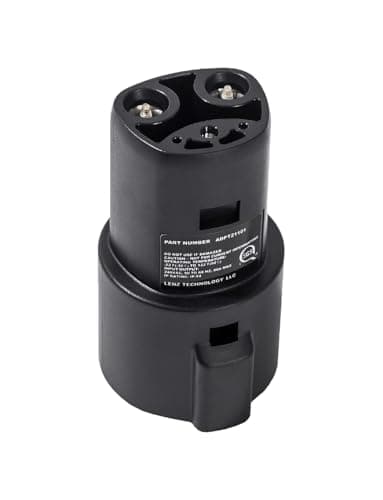
A2Z EV Stellar Plug NACS to J1772 AC Adapter
Rated 80 A / 19.2 kW, which is well above any home charger's output and the margin you want in a part that carries 48 A continuously for eight hours a night.
#ad Price as of October 5, 2026. How we make money
The cheapest certified option
LENZ J1772 to NACS Adapter (UL 2251)
80 A with a UL 2251 listing at under thirty dollars — the lowest price at which we would put a part in the charging path.
#ad Price as of October 5, 2026. How we make money
A driveway charger nobody is watching
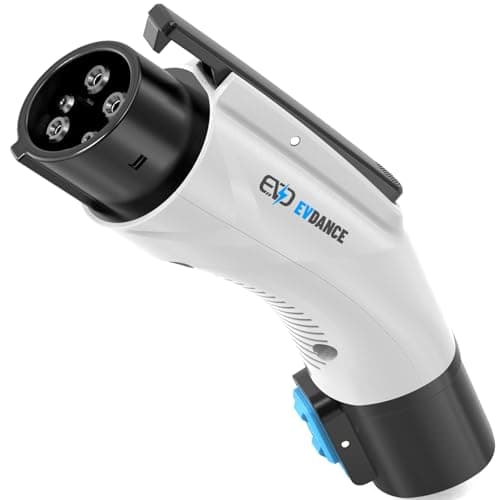
EVDANCE NACS to J1772 Adapter with Security Lock
The same adapter with a lock, which solves the real-world problem: an adapter left on a handle outdoors is the single most stealable part of a home charging setup.
#ad Price as of October 5, 2026. How we make money
We earn commission on qualifying purchases at no cost to you. Affiliate disclosure.
What is physically different between the two
| NACS (SAE J3400) | J1772 (SAE J1772) | |
|---|---|---|
| Size | Smaller, round, five pins | Larger, five pins in a round body |
| AC and DC | Same two pins carry both | AC only — DC needs CCS1's extra pins below |
| DC connector | The same plug | A larger CCS1 plug with two extra pins |
| Standardization | SAE J3400, standardized from Tesla's connector | SAE J1772, the long-standing North American AC standard |
| Who uses it | Tesla, and a growing list of others from 2025 | Most non-Tesla EVs sold in North America to date |
What the transition means for a charger you buy today
A practical question with a practical answer. If you are buying a charger now:
- Buy the connector your current car uses. Using an adapter every single night is a small daily annoyance that adds up, and a loose adapter outdoors is the most stealable part of a charging setup.
- Check whether your charger is sold in both. ChargePoint, Emporia, Wallbox and Autel all offer NACS and J1772 versions of the same unit, so this is a purchase-time choice rather than a lifetime commitment.
- For a two-car, two-connector household, consider the Tesla Universal Wall Connector, which docks the J1772 adapter in the unit so nothing is loose.
- Keep one adapter in the car regardless. Public AC charging will be mixed for years, and an adapter in the glovebox costs very little.
What not to do: buy a charger in the connector you expect your next car to use. A charger lasts a decade and a car purchase is years away; optimize for the car in the driveway.
A note on DC fast charging and Supercharger access
Several manufacturers have arranged access to Tesla's Supercharger network for their J1772-port cars. That access runs through a DC adapter, which is a different part from everything on this page — it is vehicle-specific, usually supplied by the manufacturer, and it is not what you use at home.
The AC adapters covered here work at Tesla Wall Connectors, Destination chargers and Mobile Connectors. They do not work at Superchargers, and no AC adapter will.