The short answer
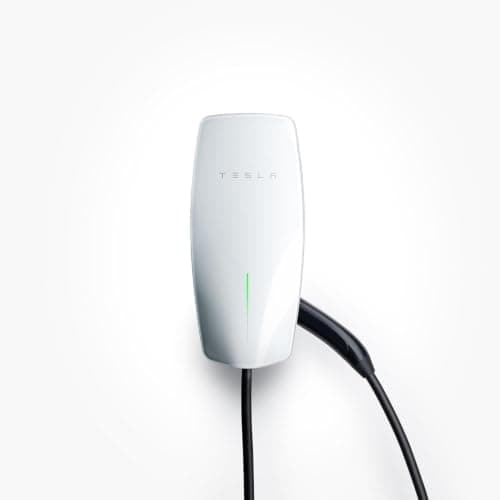
The Universal Wall Connector is a NACS handle with the J1772 adapter docked in the unit: 48 A / 11.5 kW, adjustable 12-48 A, a 24 ft cable, indoor or outdoor, and a four-year residential warranty. It is the right answer for a household running one NACS car and one J1772 car, and it is genuinely wasted money if every car uses the same connector.
It is also the most expensive unit we recommend anywhere on this site, so the case for it needs to be specific rather than enthusiastic.
Who this is for
One household shape, and it is increasingly common:
- A Tesla and a J1772 car sharing a garage. A Model Y and a Rivian. A Model 3 and a Mach-E. A Cybertruck and an EV9. Either car plugs in with no loose part.
- A 2025+ Ioniq 5 alongside an older J1772 car, which is the same situation from the other direction.
- An outdoor install in a mixed-connector household, where a loose adapter clipped to a handle is the most stealable part of the setup.
- Anyone who wants the longest warranty available outside Enphase — four years residential.
Who should buy something else instead
- Every car is a Tesla. Buy the standard Wall Connector and save a substantial amount for identical charging.
- Every car is J1772. Buy any 48 A J1772 charger. You are paying a premium for a NACS handle you will never use.
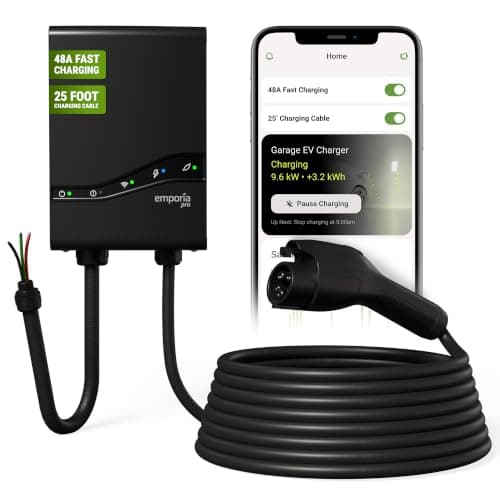
- Your panel is tight. No whole-home load management here. The Emporia Pro is both cheaper and more useful on a marginal service.
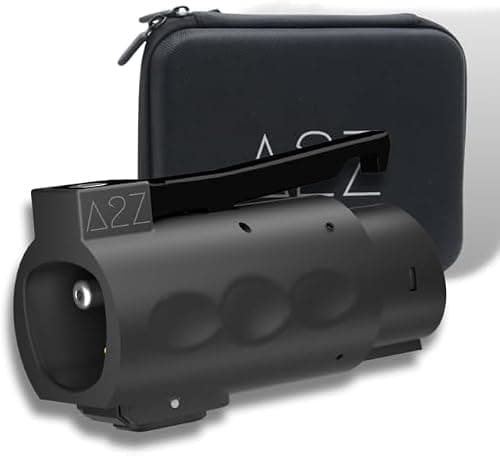
- You are price-sensitive. A J1772 charger plus one good certified adapter does the same job for far less, at the cost of fitting the adapter when the Tesla charges.
The honest cost comparison
| Approach | Daily routine | Risk | Relative cost |
|---|---|---|---|
| Universal Wall Connector | Either car plugs in. Nothing loose | The docked adapter can bind in freezing weather | Highest |
| J1772 charger + a J1772-to-NACS adapter | Fit the adapter when the Tesla charges | An adapter to lose, or to have stolen outdoors | Lowest |
| NACS charger + a NACS-to-J1772 adapter | Fit the adapter when the J1772 car charges | Same | Low to middling |
A useful way to decide: which car charges more often? Put the native connector on that one and accept the adapter on the other. If both charge daily and the charger lives outdoors, the Universal's case gets much stronger.
What this charger needs from your electrical system
| Item | Requirement | Code basis |
|---|---|---|
| Charger output | 48 A / 11.5 kW | Manufacturer published |
| Breaker | 60 A, two-pole | NEC 625.41 — 125% of a continuous load; NEC 625.42 makes EV charging continuous |
| Copper conductor (conduit, 75 degC) | 6 AWG | NEC Table 310.16 |
| GFCI breaker | Not required — NEC 625.54 covers receptacles | NEC 625.54 |
| Install type | hardwired | Manufacturer published |
Known issues, from owner reports
- Hardwired only, so it does not move with you.
- No whole-home load management. On a marginal panel this is the feature you want, and it is not here.
- The premium is large. If a household's connector mix changes — say the J1772 car is replaced with a NACS one — you have bought capability you no longer need.
- Setup through Tesla's app, as with the standard Wall Connector.
What the install needs
A 60 A two-pole breaker and 6 AWG copper for 48 A, per NEC 625.41. Hardwired, so no GFCI breaker is required under NEC 625.54 — which removes the most common nuisance-tripping cause and a real part cost.
Output is adjustable 12-48 A, so a smaller circuit is possible on a tighter panel. The 24 ft cable is the same as the standard Wall Connector's, which on a full-size truck matters more than it sounds. Mounting and cable length.