The short answer
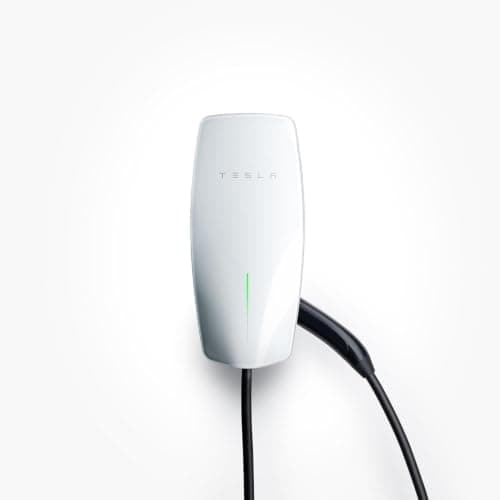
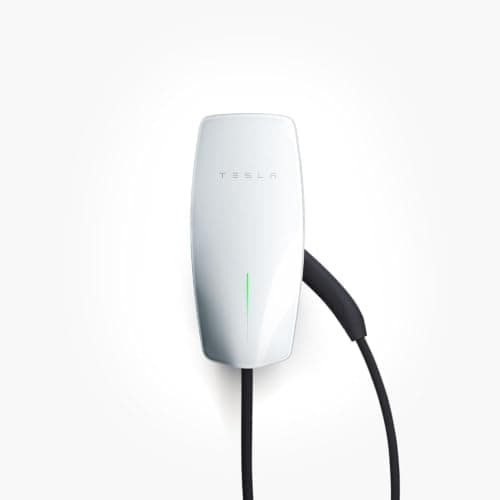
Buy the standard Tesla Wall Connector (Gen 3) if every car that will ever use it is a Tesla or another NACS vehicle. Buy the Universal Wall Connector if a J1772 car shares the driveway — it is the same 48 A charger with a J1772 adapter docked in the handle, so neither car needs a loose adapter. They charge at identical speed, use the same 24 ft cable and need the same 60 A circuit. The entire difference is the handle, and it is a meaningful premium.
| Wall Connector (Gen 3) | Universal Wall Connector | |
|---|---|---|
| Max output | 48 A / 11.5 kW | 48 A / 11.5 kW |
| Adjustable output | 12-48 A | 12-48 A |
| Cable | 24 ft | 24 ft |
| Connector | NACS only | NACS with an integrated J1772 adapter |
| Charges a J1772 car | Only with a third-party adapter | Yes, natively |
| Breaker | 60 A two-pole for 48 A | 60 A two-pole for 48 A |
| Install | Hardwired | Hardwired, indoor or outdoor |
| Power sharing between units | Yes | Yes |
| Wi-Fi and firmware updates | Yes | Yes |
| Warranty | Manufacturer published | 4 years, residential use |
| Price position | Lower | A substantial premium, for the handle alone |
The decision is about your driveway, not the charger
This is an unusually clean comparison, because almost nothing differs. Same 48 A output, same 12-48 A adjustment range, same 24 ft cable, same hardwired install on a 60 A circuit, same app, same power sharing between two units on one circuit. If you put both on a wall and charged a Model Y from each, you could not tell them apart.
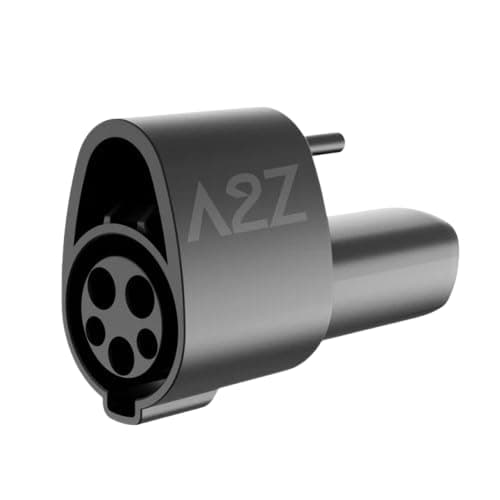
What you are paying the premium for is one thing: a J1772 adapter that lives in the unit instead of in a glovebox. So the question is not which charger is better. It is how many cars in your household use J1772, now and over the next ten years.
| What is in the driveway | Buy | Why |
|---|---|---|
| One Tesla, and that is the plan | Wall Connector (Gen 3) | The Universal's only advantage is for a connector you do not have. Same charge rate for less money |
| Two Teslas | Two Gen 3 units, power sharing | Both units support sharing one circuit. Two Gen 3s can cost less than one Universal plus a second charger |
| One Tesla and one J1772 EV | Universal Wall Connector | This is the case it was built for. No adapter to fetch, lose or leave in the other car |
| One J1772 EV only | Neither | You are paying a Tesla premium for an adapter step. A J1772 charger is cheaper and simpler — see best Level 2 chargers |
| A Tesla now, a J1772 car possible later | Gen 3, plus an adapter if it happens | A good J1772-to-NACS adapter costs a fraction of the upgrade. Buy the problem when you have it |
| Shared driveway, duplex or guests charging | Universal Wall Connector | Either connector works with no instructions and nothing to hand over |
The adapter question, honestly
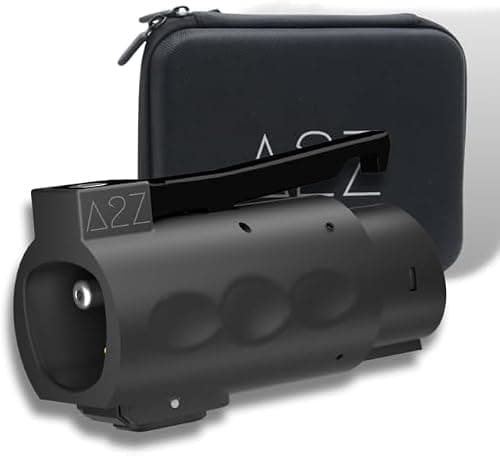
The obvious objection to the Universal is that a J1772-to-NACS adapter costs a small fraction of the price difference. That is true, and for many households it is the right answer. But there are three real differences between a docked adapter and a loose one, and only one of them is about money.
- It is always there. A loose adapter gets left in whichever car used it last. The docked one cannot be, which matters more in a two-driver household than it sounds on paper.
- It is one listed assembly rather than two. A loose adapter puts an extra mated pair of contacts in the current path of a continuous 48 A load. Good adapters handle that fine — the ones we recommend are UL-standard rated — but it is one more connection to keep clean and dry.
- Warranty coverage is cleaner. Owners who have asked Tesla support about using a Gen 3 Wall Connector with a third-party adapter report being told it is not covered. Tesla's published warranty text does not spell that out, so treat it as unsettled rather than decided — but if that risk bothers you, the Universal removes the question entirely.
Cold weather: one genuine complaint about the Universal
The docked J1772 adapter is a moving part on the handle, and owners report it can bind in freezing weather — stiff enough that it needs working loose rather than pulled. If you charge outdoors in a cold climate and only own Teslas, that is one more reason the Gen 3 is the better buy for you. If you need the J1772 side anyway, it is a known quirk rather than a reason to avoid the unit: ease it, do not force it.
Either way, the cable stiffens below freezing regardless of which handle is on the end of it. Cold weather EV charging at home covers what actually changes in winter, and locking and securing an outdoor charger matters more on the Universal, because the adapter is part of the handle you are leaving outside.
The install is identical, and it is the bigger line item
Both units are hardwired only and both want a 60 A two-pole breaker with 6 AWG copper to deliver the full 48 A, because NEC 625.42 classifies EV charging as a continuous load and NEC 625.41 requires overcurrent protection at not less than 125% of it. Neither needs a GFCI breaker, since there is no receptacle involved.
| Item | Requirement | Code basis |
|---|---|---|
| Charger output | 48 A / 11.5 kW | Manufacturer published |
| Breaker | 60 A, two-pole | NEC 625.41 — 125% of a continuous load; NEC 625.42 makes EV charging continuous |
| Copper conductor (conduit, 75 degC) | 6 AWG | NEC Table 310.16 |
| GFCI breaker | Not required — hardwired, no receptacle | NEC 625.54 |
| Install type | Hardwired only | Manufacturer published |
| If your panel cannot spare 60 A | Set the unit to 32 A or 40 A at commissioning | Both units adjust 12-48 A |
Worth noticing: on a long run through finished walls, the install can cost more than either charger. That changes the arithmetic of the price gap between them — against a large install bill the premium is a smaller share of the project than it looks in isolation. What installation actually costs breaks the quote into its parts.
What neither of them does
- Neither has whole-home load management. Both will power-share between two Tesla units on one circuit, and both can be set to a lower output at commissioning, but neither watches your panel and throttles in real time. If a load calculation is what is standing between you and an install, that is the feature you need and it is on other units — see chargers for a 100 amp panel.
- Neither is plug-in. Both are hardwired, so neither comes with you if you move out of a rental. Portable Level 2 charging for renters is the right page in that case.
- Neither is the cheapest route to 11.5 kW. Several J1772 units deliver the same 48 A for less, and a Tesla charges from any of them with an adapter. The Tesla premium buys the handle, the app integration and the cable, not charging speed.