The short answer
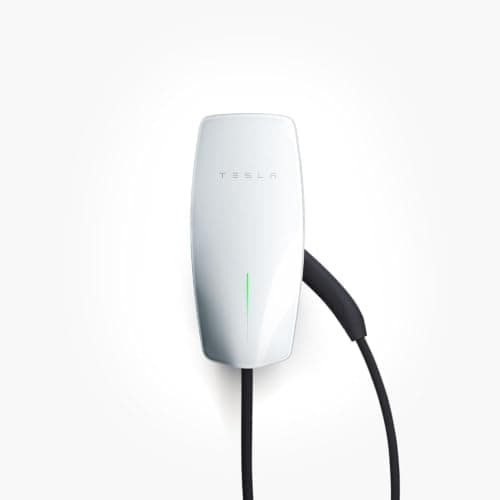
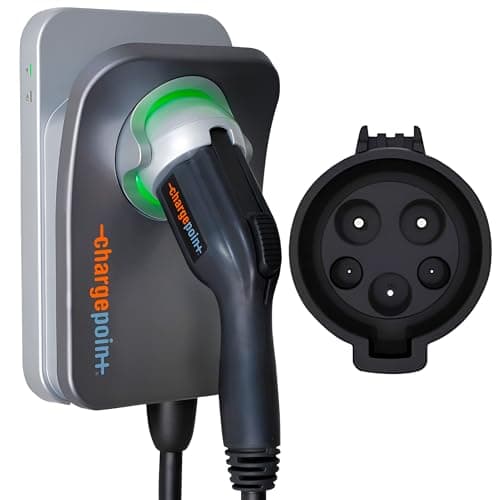
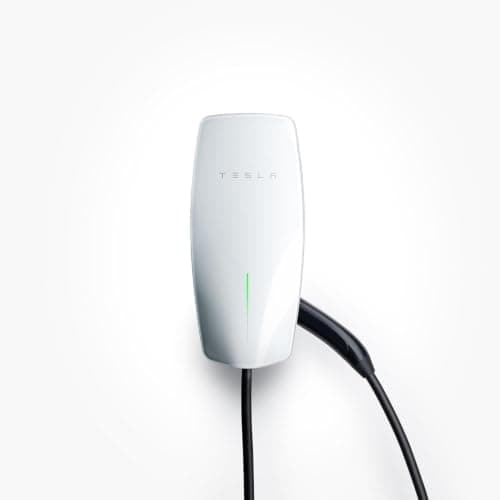
Buy the Tesla Wall Connector if every car in the driveway is a Tesla: a 24 ft cable, a handle that opens the charge port, and power sharing between two units on one circuit. Buy the ChargePoint Home Flex if a J1772 car is in the household, if your panel might change, or if you want a plug-in option — it is sold in both connectors and steps from 16 A to 50 A.
| Tesla Wall Connector | ChargePoint Home Flex | |
|---|---|---|
| Max output | 48 A / 11.5 kW | 50 A / 12 kW |
| Output range | 12-48 A | 16, 24, 32, 40, 48, 50 A |
| Cable | 24 ft | 23 ft |
| Connector | NACS only | J1772 or NACS |
| Install | Hardwired only | Hardwired or plug-in |
| Opens the charge port | Yes, auto-sensing handle | No |
| Power sharing between two units | Yes | No |
| Load management | No | No |
| App ecosystem | Tesla | ChargePoint, largest US installed base |
| Works with a J1772 car | With an adapter | Directly, on the J1772 version |
The driveway decides this
Both chargers deliver an effectively identical charge rate to any car that accepts 48 A. So the comparison is not about speed — it is about connectors, portability and two Tesla-specific features.
| What is in the driveway | Buy | Why |
|---|---|---|
| Only Teslas, now and later | Tesla Wall Connector | 24 ft cable, handle opens the port, no adapter ever |
| Two Teslas | Tesla Wall Connector | Power sharing avoids a second 60 A circuit |
| A Tesla and a J1772 car | ChargePoint Home Flex (J1772) plus one adapter for the Tesla, or the Universal Wall Connector | Whichever car charges more often should get the native connector |
| Only J1772 cars | ChargePoint Home Flex (J1772) | No adapter, wider choice |
| A 2025+ Ioniq 5 and a Tesla | Tesla Wall Connector | Both have NACS ports — no adapter needed for either |
| You rent, or may move | ChargePoint Home Flex plug-in | The Tesla unit is hardwired only |
| Your panel may change | ChargePoint Home Flex | Six selectable levels; the Tesla also adjusts 12-48 A but with fewer presets |
The two Tesla features worth paying for
Power sharing is the stronger of the two and the one most often overlooked. Two Wall Connectors on a single circuit negotiate between themselves so the circuit is never overloaded. For a two-Tesla household that avoids a second 60 A circuit, which is a substantial saving in conductor and labor — and no third-party unit at this price does it.
The auto-sensing handle opens the charge port as you approach. It is a small thing that happens twice a day, which is exactly the category of small thing worth money. It is also entirely useless on a non-Tesla.
The ChargePoint feature worth paying for
Six selectable output levels. The Tesla unit adjusts 12-48 A too, but ChargePoint's six presets map cleanly onto six standard circuit sizes, and the 16 A setting is low enough that no load calculation will object to it.
| Setting | Power | Breaker | Copper (conduit) |
|---|---|---|---|
| 16 A | 3.8 kW | 20 A | 12 AWG |
| 24 A | 5.8 kW | 30 A | 10 AWG |
| 32 A | 7.7 kW | 40 A | 8 AWG |
| 40 A | 9.6 kW | 50 A | 8 AWG |
| 48 A | 11.5 kW | 60 A | 6 AWG |
The other ChargePoint advantage: it is sold plug-in. The Tesla Wall Connector is hardwired only, which makes it a fixture rather than a possession. For a renter that is decisive.
On adapters, honestly
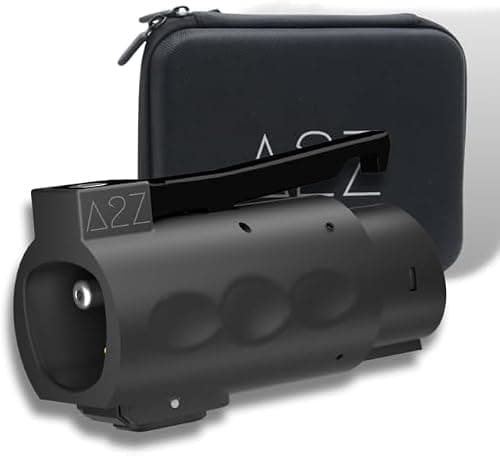
A certified J1772-to-NACS adapter costs a small fraction of either charger, so “needs an adapter” is a convenience question rather than a cost one. What it costs you is the daily act of fitting it, and — on an outdoor install — an adapter clipped to a handle is the most stealable part of the setup.
A useful rule: put the native connector on the car that charges most often. Which plug does my EV use covers the model-by-model picture.