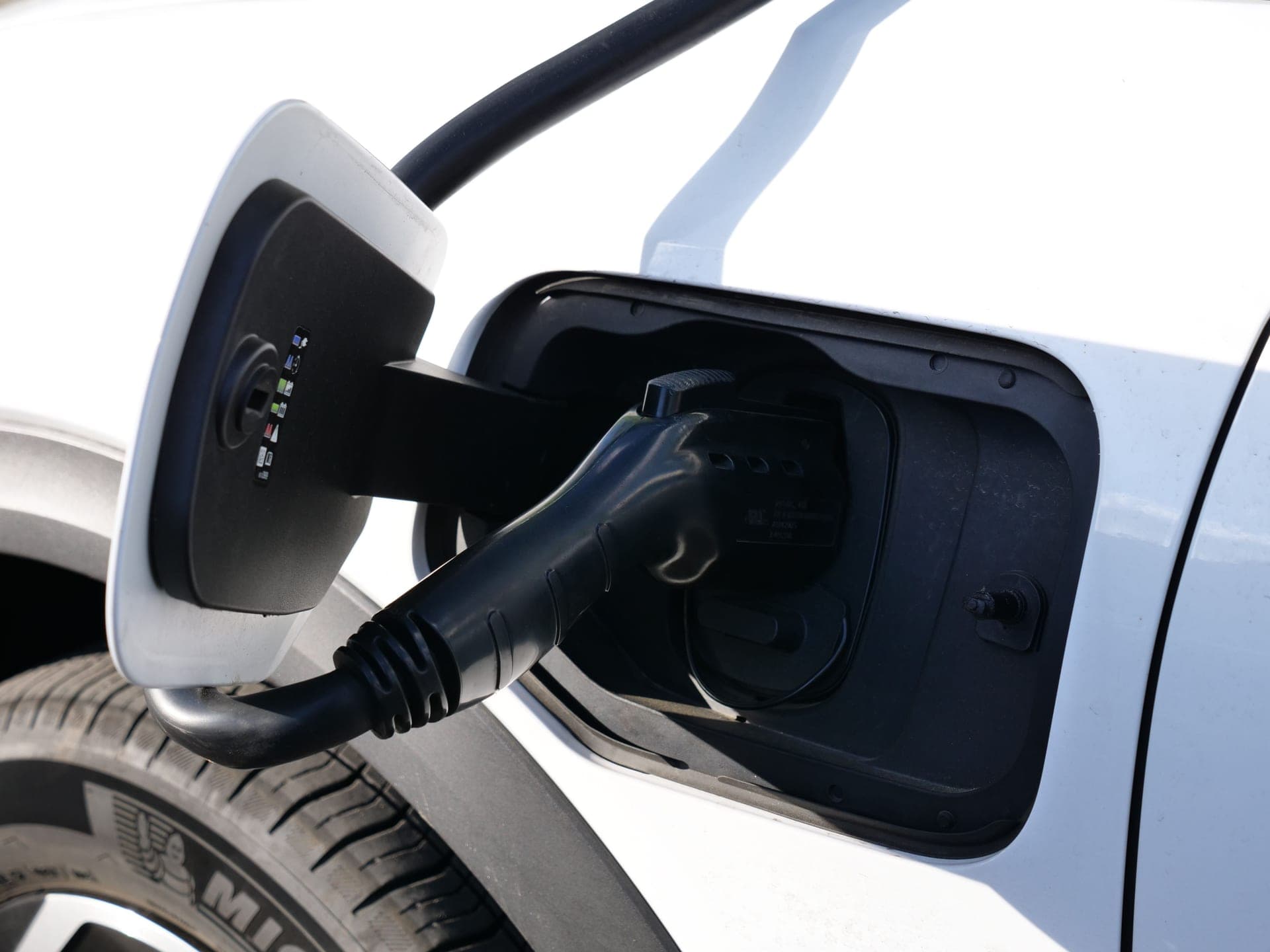
The short answer
The SEGUMA 21 ft is our pick: 50 A rated and UL listed, which is the combination to insist on because the rating has headroom over a 48 A charger and the listing means something tested it. Before buying any of these, consider whether extending the supply side instead — a NEMA 14-50 extension before the charger — is the better engineering answer, because it sits ahead of the charger's own protection rather than behind it.
Quick picks
Ranked by fit for the stated use case first, then price, then warranty and support. Tap any row to jump to the full assessment. Commission rate plays no part in the order.
| # | Product | Best for | Score | Price |
|---|---|---|---|---|
| 1 | 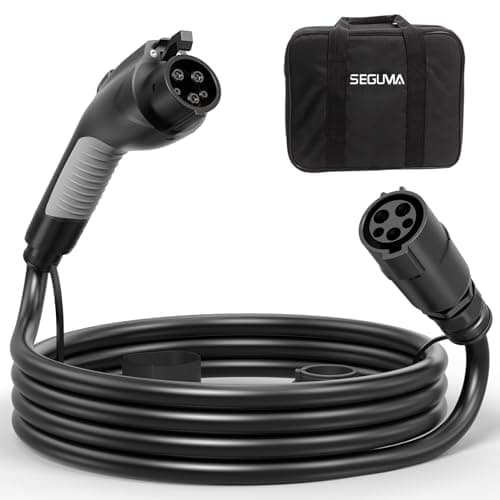 SEGUMA J1772 Extension Cable (21 ft, 50 A, UL listed)50 A rated and UL listed, which is the combination to insist on: the rating has headroom over a 48 A charger and the listing means something tested it. | The extension to pick if you must use one | 8.4 | |
| 2 | 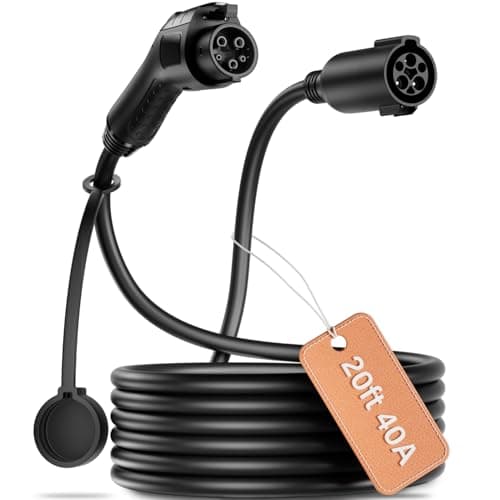 VIVAVOLT J1772 EV Extension Cable (20 ft, 40 A)A 40 A, 20 ft J1772 extension. | Bridging the last 20 feet at 40 A | 7.4 | $132.99View on Amazon $139.99 list · 5% off |
| 3 | 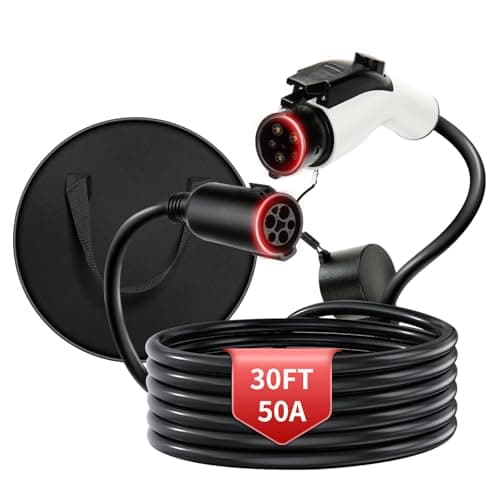 WenStorm J1772 EV Extension Cable (30 ft, 50 A)30 ft at 50 A. | A genuinely long reach problem | 7.0 | |
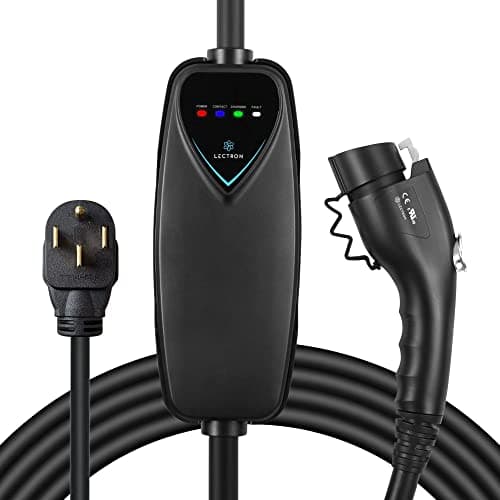
| 4 | 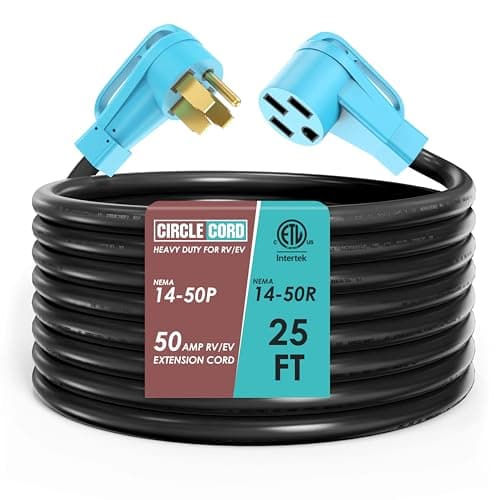 CircleCord 50 A NEMA 14-50 Extension Cord (25 ft)A 50 A NEMA 14-50 extension — the better place to add length than the J1772 side, because it sits before the charger's own protection rather than after it. | Extending the supply side, not the vehicle side | 7.8 | $92.99View on Amazon $99.00 list · 6% off |
The two places you can add length, and one is better
| J1772 extension (vehicle side) | NEMA 14-50 extension (supply side) | |
|---|---|---|
| Where it sits | Between the charger's handle and the car | Between the outlet and the charger |
| Protected by the charger's own GFCI and thermal protection? | No — it is downstream | Yes — it is upstream |
| Fits a hardwired charger? | Yes | No — needs a plug-in charger |
| Typical rating available | 40-50 A | 50 A |
| Risk profile | Higher | Lower |
Extending the supply side, not the vehicle side
CircleCord 50 A NEMA 14-50 Extension Cord (25 ft)
50 A, 25 ft, NEMA 14-50 both ends, with a heavy STW jacket. The lower-risk way to add length if your charger is plug-in. Keep it uncoiled, and keep the connections dry.
What to insist on in a vehicle-side cable
- 50 A rating. It gives real headroom over a 48 A charger. A 40 A cable on a 48 A charger is wrong and a 40 A cable on a 40 A charger has no margin.
- A UL listing. Most EV extension cables do not have one. This is the specification that separates a tested product from an assembled one.
- The shortest length that solves your problem. 20 ft rather than 30 ft. Every extra foot is voltage drop and weight.
- A heavy conductor. The budget cables use thinner wire, which is exactly the wrong economy on a continuous load.
| Cable | Length | Rating | Certification |
|---|---|---|---|
| SEGUMA J1772 extension | 21 ft | 50 A | UL listed |
| VIVAVOLT J1772 extension | 20 ft | 40 A | Manufacturer listing |
| WenStorm J1772 extension | 30 ft | 50 A | Manufacturer listing |
| CircleCord NEMA 14-50 extension | 25 ft | 50 A, 125/250 V | Supply side — see above |
Why 30 feet is the one we would avoid
The WenStorm 30 ft is on this page because people need it and it is 50 A rated. But 30 feet of extension plus 25 feet of charger lead is 55 feet of cable between the wall and the car, and at 48 A that is real voltage drop and real heat.
At that length, the honest engineering answer is almost always to move the charger or extend the supply side. A conduit run and a relocated charger costs more up front and is the correct fix; 55 feet of daisy-chained cable is a compromise that gets worse as the connections age.
What to do instead, in order of preference
- Move the charger. Measure from where the car actually parks to where the charge port sits, and mount accordingly. Mounting height and position.
- Buy a charger with a longer cable. They run from 16 ft to 25 ft. If you are still shopping, this is free — see best Level 2 chargers.
- Extend the supply side, with a 50 A NEMA 14-50 extension, if your charger plugs in.
- Park differently. Sometimes reversing in rather than nosing in changes the reach entirely, because charge port positions vary — Tesla is rear left, Ford and Rivian front left, Kia rear right.
- Then, and only then, a vehicle-side extension cable.
How to use one safely
- Keep it uncoiled. A coiled cable carrying 40 A cannot shed heat. This is the single most important handling rule.
- Check the connections warm, not hot, after an hour at full current, for the first week. Our post-install testing guide covers the method.
- Keep the connections dry and off the ground. A connection in standing water is a different problem from a connection in air.
- Do not daisy-chain two extensions. Ever.
- Reduce the charger's output if you can. Dropping from 48 A to 32 A substantially reduces the heat in every connection.
How we picked
Every part here is currently purchasable and, where we recommend it for a high-amperage application, carries certification to an actual EV coupler standard — UL 2251 or UL 2252 — rather than a generic electrical mark. We verified each one's published ratings against the manufacturer's own material on the date at the top of this page. We verify specifications; we do not bench-test — see our methodology. Ranking is fit for the stated use first, then rating headroom, then certification, then price. Commission rate plays no part in it.