Skip to content
EV & Charger

Costs

Bidirectional Charging and Vehicle-to-Home

Three vehicles can genuinely do this today, and none of them does it with a charger alone. Here is what it actually takes.

By Mike M.Published Last verified

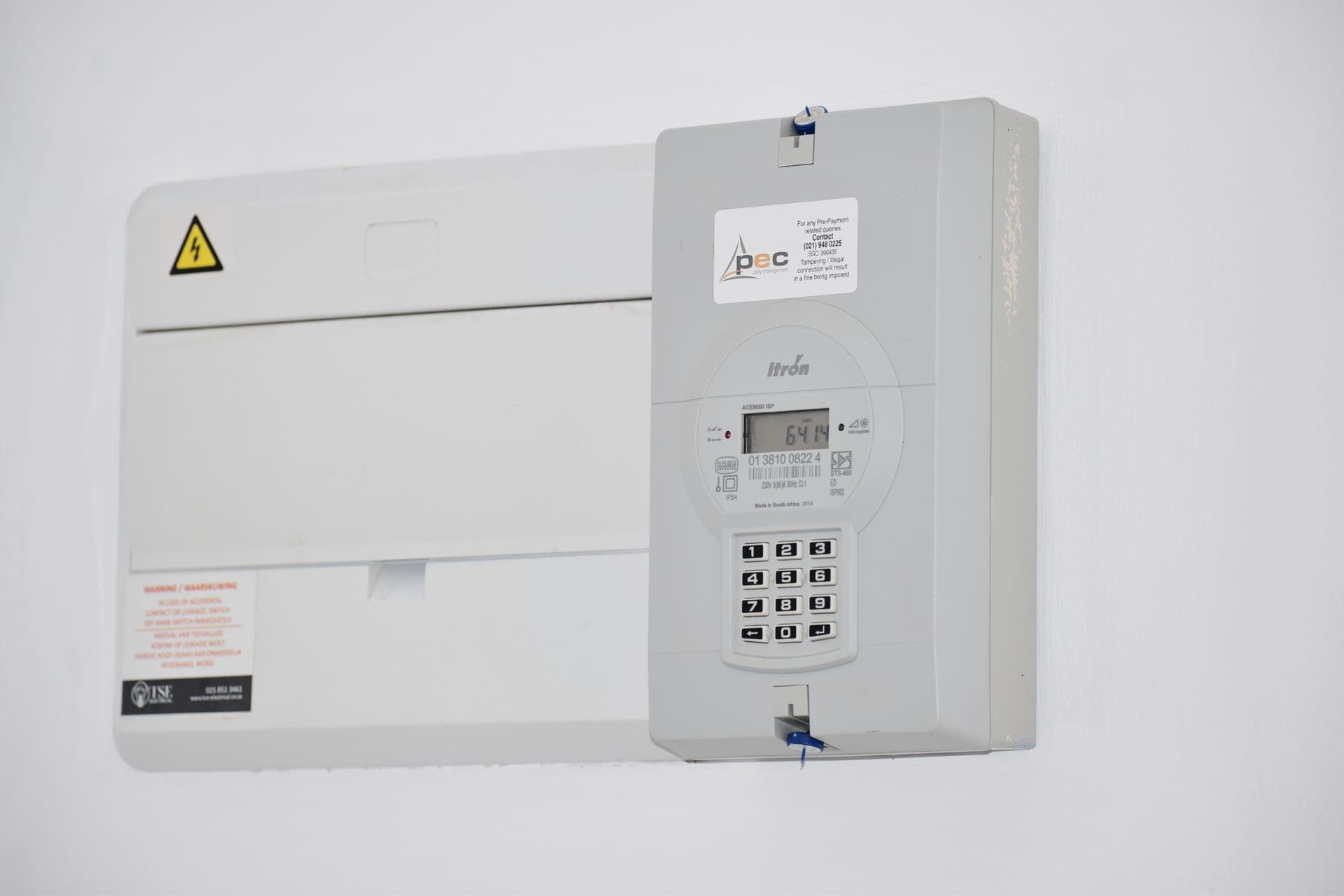
A residential electricity meter and service box mounted on an exterior wall

The short answer

Vehicle-to-home is real on a small number of vehicles — the Ford F-150 Lightning, the GMC Hummer EV from 2024, and the Tesla Cybertruck via Powershare — and none of them does it with a charger alone. It needs manufacturer-specific hardware, a transfer switch or home integration system, and an electrician. Compared with a home battery it is cheaper if you already own the right vehicle, and less convenient because the battery drives away.

The three terms, which get used interchangeably and should not be

What each one means
TermWhat it doesStatus
V2L — vehicle to loadPowers appliances from an outlet on the carAvailable on several vehicles. Useful, limited, needs no installation
V2H — vehicle to homePowers the house's circuits during an outageAvailable on a few vehicles, with manufacturer hardware and an electrician
V2G — vehicle to gridExports to the grid, potentially for paymentPilot programs only. Requires utility participation; not a general consumer option
V2L is the one most people actually use, and it needs nothing installed — just an adapter and an appliance. V2G is frequently discussed and rarely available. V2H is the interesting middle case.

Which vehicles can do V2H today

Vehicles with genuine vehicle-to-home capability
VehicleWhat enables itWhat else is required
Ford F-150 LightningIntelligent Backup Power, through the Charge Station ProThe 80 A Charge Station Pro, a home integration system, a transfer arrangement, an electrician
GMC Hummer EV, 2024 onwardsThe 19.2 kW onboard charger enables bidirectional capability; up to 6 kW to another vehicle via an optional accessoryGM's home energy hardware and an electrician
Tesla CybertruckPowershareTesla's own hardware path and an electrician
Per each manufacturer's published information and InsideEVs' coverage of the 2024 Hummer EV bidirectional announcement, checked October 5, 2026. The capability set changes as manufacturers release software and hardware, so confirm the current position with the manufacturer for your specific model year.

Notice what the three have in common: they are the three vehicles with 80 A-class or near-80 A onboard chargers, and the hardware that enables high-power AC charging is related to the hardware that enables export. That is not a coincidence — see onboard charger limits by model.

V2H against a home battery

The honest comparison
Vehicle-to-homeHome battery
CapacityVery large — a vehicle pack dwarfs a home batterySmaller, but sized for the house
Cost, if you own the vehicleLower — the battery is already boughtThe full battery cost
Availability during an outageOnly if the car is homeAlways
Daily useNo — it is backup, and the car drives awayYes, can time-shift solar daily
Cycling the packUses vehicle battery cyclesUses the battery's own cycles
Vehicle choice constrainedYes, to three modelsNo
Installation complexityHigh — manufacturer hardware plus a transfer arrangementHigh
The availability row is the deciding one for most households. A home battery is in the basement during an outage; a car may be at work. If backup power is the goal and reliability matters, that is the comparison that counts.

The capacity row is where V2H genuinely wins. A vehicle pack is far larger than a typical home battery, which means days of backup rather than hours for essential loads — if the car is there.

What V2L gives you for almost nothing

Worth separating out because it is available on many more vehicles and needs no installation at all. Vehicle-to-load powers appliances from an outlet on the car — a fridge, a sump pump, lights, a laptop.

It will not run your house's circuits and it will keep a freezer cold through a two-day outage, which for many households is the actual requirement. If backup is the goal and your car supports V2L, try that before engineering a V2H installation.

What to do first, if you are interested

  1. Confirm your specific vehicle and model year supports V2H, with the manufacturer rather than a forum. The capability set changes.
  2. Identify the required hardware and its cost. This is usually the largest line and it is manufacturer-specific.
  3. Find out what your jurisdiction and utility require. An interconnection or transfer arrangement is involved, and in many places the utility has to be notified or to approve.
  4. Decide which circuits you actually want backed up. Essential loads — fridge, furnace fan, a few outlets — is a much smaller and cheaper project than the whole panel.
  5. Get a load calculation, because this interacts with your service. Can my panel handle it.
  6. Compare against a generator and against a home battery honestly, on cost and on availability.

What to do while this matures

If you want resilience now and your vehicle does not support V2H, the two highest-value things are unglamorous:

Resilience you can have today

Panel-level surge protection, which protects everything on the service and is cheap while the panel is open, and a monitor so you know what your essential loads actually draw before sizing any backup.
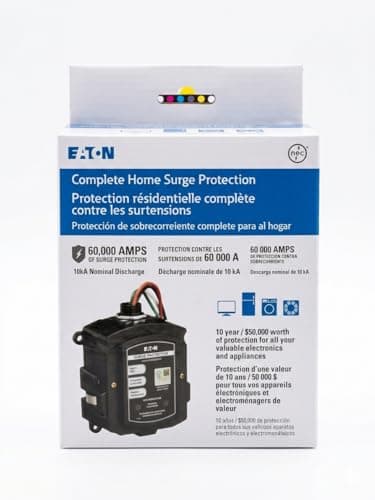
Eaton CHSPT2ULTRA Whole-Home Surge Protector

Protecting a charger that is wired into the panel

Eaton CHSPT2ULTRA Whole-Home Surge Protector

A panel-mounted Type 2 device rated at 60 kA. A hardwired charger has no plug to put a surge strip on, so the protection has to live at the panel — and it is cheap next to the charger it protects.
$70.99View on Amazon

$79.99 list · 11% off

#ad Price as of October 5, 2026. How we make money

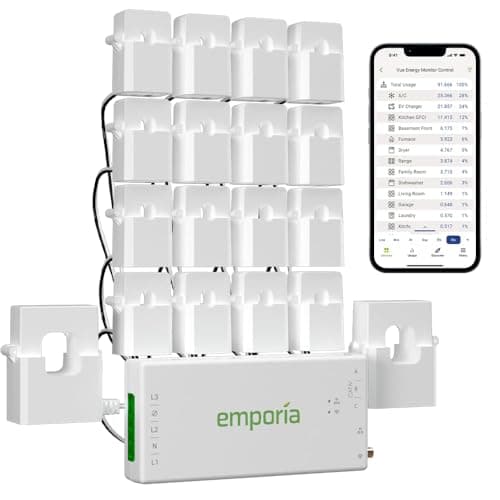
Emporia Vue 3 Home Energy Monitor

Knowing what your panel is actually doing

Emporia Vue 3 Home Energy Monitor

The cheapest way to replace a load calculation's assumptions with measurements. If your panel is marginal, a month of real data from this tells you whether a 48 A charger fits better than any rule of thumb will.

$199.99View on Amazon

#ad Price as of October 5, 2026. How we make money

We earn commission on qualifying purchases at no cost to you. Affiliate disclosure.

The monitor is genuinely useful here: knowing that your essential loads draw 1.2 kW rather than guessing 3 kW changes what backup capacity you need, and that changes the economics of every option.

What we will not do on this page

  • Predict when V2H will be widely available. We do not know and neither does anyone publishing a date.
  • Quote installation costs. They are manufacturer-specific, jurisdiction-specific and change as the hardware does.
  • Claim V2G is available. It is in pilot programs and it requires utility participation. A page telling you otherwise is ahead of the facts.
  • Recommend a charger on the basis of a bidirectional claim. The charger is the least of what a V2H installation needs.
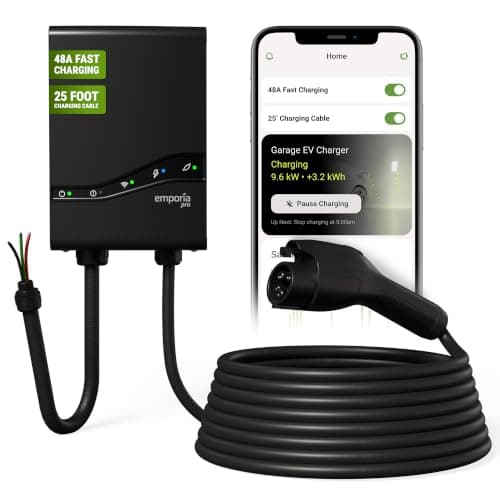
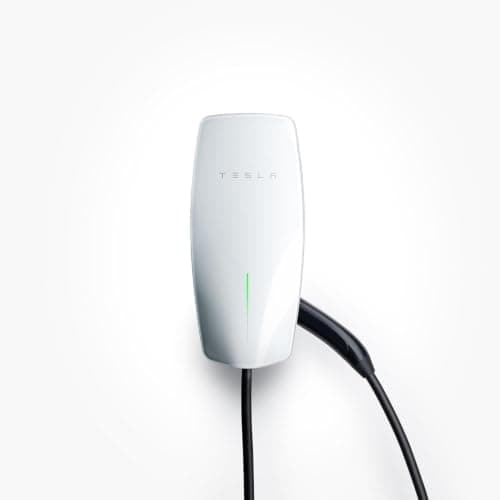
Both units

The two, side by side

Knowing what your panel is actually doing

Emporia Vue 3 Home Energy Monitor

Emporia Vue 3 Home Energy Monitor charger

8.8/ 10

$199.99View on Amazon

#ad Price as of October 5, 2026. How we make money

Our verdict

The cheapest way to replace a load calculation's assumptions with measurements. If your panel is marginal, a month of real data from this tells you whether a 48 A charger fits better than any rule of thumb will.

What works

  • Turns 'can my panel handle it' from an estimate into a measurement
  • Enables load management on an Emporia charger, which can be the difference between a charger and a service upgrade
  • Also finds the phantom loads that were inflating your bill

What doesn't

  • Panel work — the CTs go around the service conductors, which is not a DIY job for most people
  • Only closes the load-management loop with an Emporia charger
  • App-dependent
Emporia Vue 3 Home Energy Monitor specifications
FunctionWhole-home and circuit-level real-time energy monitoring
InstallCurrent transformers in the panel
DataPer-circuit consumption, historical trends
Pairs withEmporia chargers for PowerSmart load management

Specifications checked against Emporia Vue product specifications. We verify published specifications; we do not bench-test hardware — how we assess products.

Protecting a charger that is wired into the panel

Eaton CHSPT2ULTRA Whole-Home Surge Protector

Eaton CHSPT2ULTRA Whole-Home Surge Protector charger

8.8/ 10

$70.99View on Amazon

$79.99 list · 11% off

#ad Price as of October 5, 2026. How we make money

Our verdict

A panel-mounted Type 2 device rated at 60 kA. A hardwired charger has no plug to put a surge strip on, so the protection has to live at the panel — and it is cheap next to the charger it protects.

What works

  • Protects the charger, the HVAC and everything else on the service at once
  • Panel-mounted, so there is nothing to plug in or forget
  • Costs a small fraction of the charger

What doesn't

  • Needs two breaker spaces, which a full panel may not have
  • Installed during the charger job or it means a second service call
  • A Type 2 device does not replace a Type 1 at the meter for a high-lightning area
Eaton CHSPT2ULTRA Whole-Home Surge Protector specifications
TypeType 2 SPD, panel mounted
Surge current60 kA
Voltage120/240 V AC
LocationIndoor or outdoor

Specifications checked against Eaton CHSPT2ULTRA product specifications. We verify published specifications; we do not bench-test hardware — how we assess products.

FAQ

Questions people actually ask

Which EVs can power a house?

The Ford F-150 Lightning via Intelligent Backup Power, the GMC Hummer EV from the 2024 model year, and the Tesla Cybertruck via Powershare. All three need manufacturer-specific hardware, a transfer or interconnection arrangement, and an electrician — not just a charger.

What is the difference between V2L, V2H and V2G?

V2L powers appliances from an outlet on the car and needs no installation. V2H powers the house's circuits during an outage and needs manufacturer hardware plus an electrician. V2G exports to the grid and is in pilot programs only, requiring utility participation.

Is vehicle-to-home better than a home battery?

It has far more capacity and costs less if you already own a capable vehicle. A home battery wins on availability — it is always there, whereas the car may be at work during an outage — and on daily usefulness, because it can time-shift solar every day.

Can any bidirectional charger power my house?

No. A charger with bidirectional capability is necessary and nowhere near sufficient. A V2H installation needs manufacturer-specific home integration hardware, a transfer or interconnection arrangement, and in most jurisdictions a utility conversation.

Is V2G available to consumers?

In pilot programs only. It requires utility participation and is not a general consumer option. Any page presenting it as available now is ahead of the facts.

What should I do if I want backup power now?

Check whether your car supports V2L, which needs no installation and will keep a freezer and a few circuits going. Fit panel-level surge protection, and measure what your essential loads actually draw before sizing any backup — guessing high is how these projects become expensive.

Sources

What we checked this against

Read next

Disclosure. Some links on this page are affiliate links. If you buy through one, we earn a commission at no extra cost to you. We are a participant in the Amazon Services LLC Associates Program. Prices come from Amazon's live data and are shown with the date they were checked; where no live price is available we say "check price" rather than show an old number. Commission rate plays no part in which products we recommend or in what order — see our methodology and our full affiliate disclosure.