The short answer
A hardwired charger cannot be protected with a plug-in surge strip, so protection goes at the panel as a Type 2 surge protective device. It costs a small fraction of the charger, takes two breaker spaces, and protects the HVAC, the range and everything else on the service at the same time. Fit it while the panel is already open for the charger circuit — a separate service call later costs more than the device.
Why this is worth a page at all
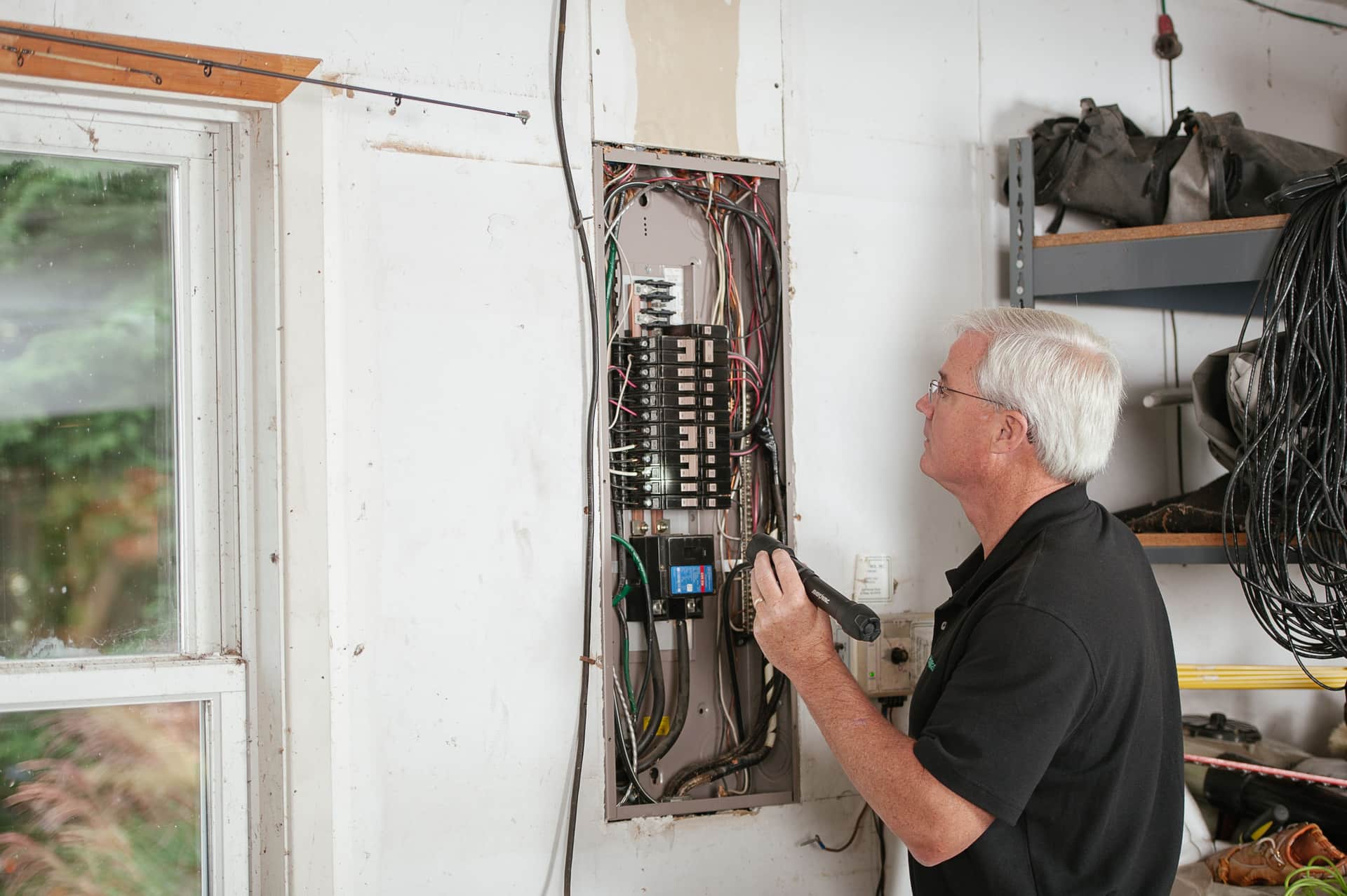
Because the timing matters and the window is short. Your electrician will have the panel open for roughly an hour fitting the charger's breaker. Adding a surge protective device at that moment is a small amount of extra labor. Deciding you want one eight months later is a whole service call.
And a charger is a worthwhile thing to protect: it is a power-electronics device, permanently connected, mounted on an exterior wall in many installs, at the end of a long branch circuit. That is a reasonable description of something exposed to surges.
Type 1 against Type 2
| Type | Where it goes | What it is for |
|---|---|---|
| Type 1 | On the line side of the main breaker, often at the meter | Direct lightning and utility-side transients. The heaviest duty |
| Type 2 | On the load side of the main breaker, in or beside the panel | The usual residential choice. Whole-panel protection against switching and residual transients |
| Type 3 | At the point of use — a plug-in strip | Individual equipment. Not applicable to a hardwired charger |
The number you will see quoted is the surge current rating in kA — the Eaton CHSPT2ULTRA is rated 60 kA, the Siemens Boltshield FSPD140 at 140,000 A. Higher is more capacity to absorb, and in practice all of these are far beyond what a typical residential transient delivers. Mounting location and correct installation matter more than the headline number.
What a surge device will and will not do
- Will clamp the switching transients and residual surges that actually degrade electronics over years. This is most of what it earns its money on.
- Will protect everything on the service, not just the charger — HVAC boards, the range's control panel, the well pump.
- Will not stop a direct lightning strike to the house. Nothing at this price will.
- Will not help with a sustained overvoltage. That is a different device and a different failure mode.
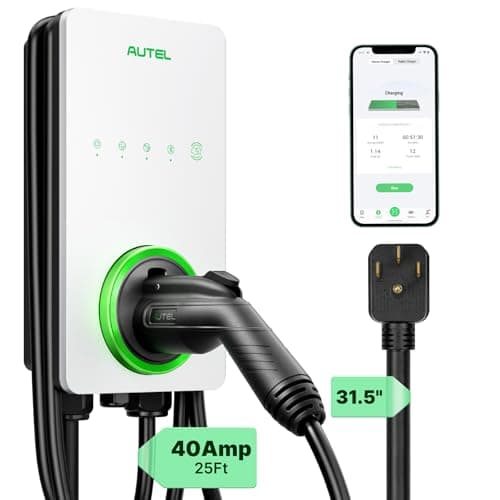
- Will not replace your charger's own protection. Several units, including the Autel MaxiCharger, include integrated surge protection — panel-level protection is in addition to that, not instead of it.
Devices
Panel-mounted surge protective devices
Two options: one for inside the panel, one rated for outdoor mounting when there are no spare indoor spaces. Both are Type 2.
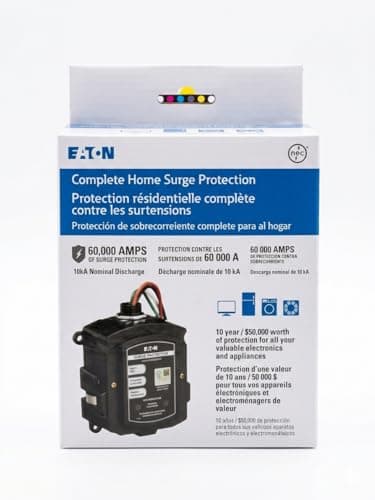
Protecting a charger that is wired into the panel
Eaton CHSPT2ULTRA Whole-Home Surge Protector
A panel-mounted Type 2 device rated at 60 kA. A hardwired charger has no plug to put a surge strip on, so the protection has to live at the panel — and it is cheap next to the charger it protects.
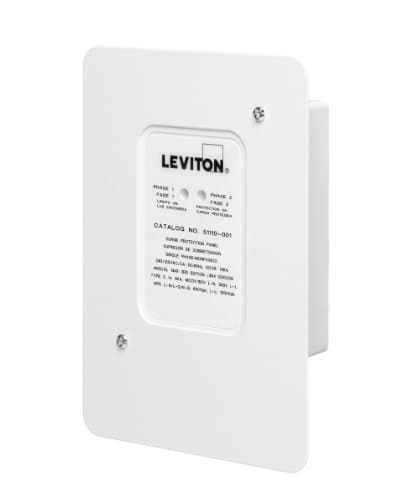
A surge device mounted outdoors beside the meter
Leviton 51110-SRG Type 2 Whole-House Surge Panel
A NEMA 4X-rated Type 2 surge panel, which means it can live outdoors next to the meter — useful when the panel inside has no spare spaces.
#ad Price as of October 5, 2026. How we make money
We earn commission on qualifying purchases at no cost to you. Affiliate disclosure.
Where the charger's own protection fits
Some chargers advertise built-in surge protection. The Autel MaxiCharger AC Lite publishes integrated surge protection alongside its over-current, over-voltage and under-voltage protections. That is genuinely useful and it is not a substitute for a panel device, for a simple reason: the charger's protection defends the charger, and a panel device defends the house.
If you are choosing between spending on a charger with integrated protection and spending on a panel SPD, the panel SPD is the better value — it covers more equipment for less money.
Replacement and indicators
Surge protective devices are consumable. They absorb energy and degrade, and most carry an indicator — a light or a flag — showing whether they are still protecting. That indicator is the reason to mount the device where someone will actually see it, and the reason to glance at it when you are in the panel for anything else.