The short answer
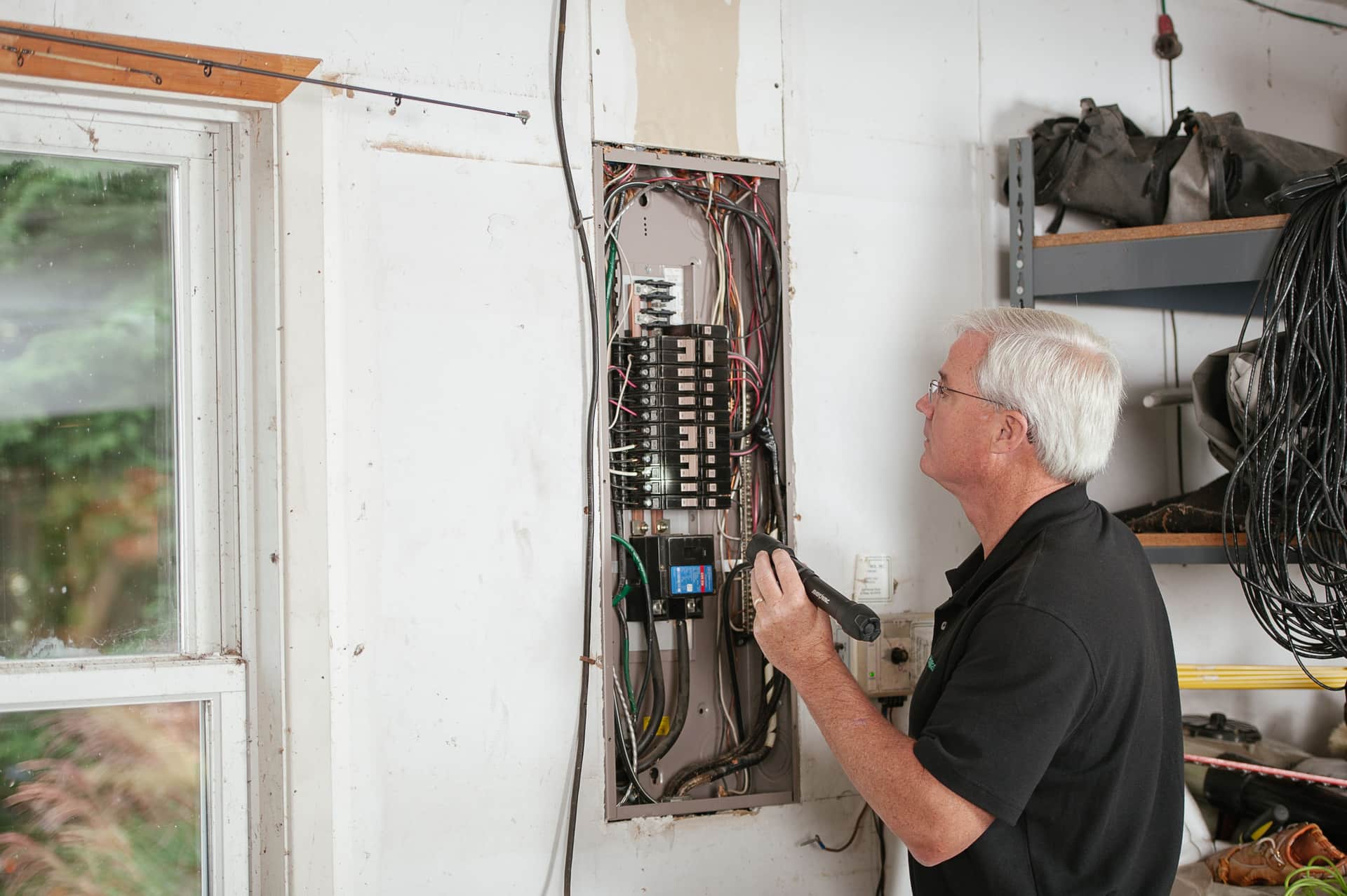
Nearly every jurisdiction requires a permit for a new 240 V branch circuit. The US Department of Energy's Alternative Fuels Data Center states that installations "must comply with local and state codes and regulations" and that "appropriate permits may be required from the local building and permitting authorities". The inspector checks the breaker sizing, conductor sizing and method, GFCI protection where a receptacle is involved, terminations, grounding, and that the charger is installed per its own manual.
Why the permit is worth more than it costs
The fee is typically the smallest line on the invoice, and three things make it the highest-value one.
- It is the only independent check on the work. A 240 V circuit carrying 40 A continuously for years fails slowly and invisibly if a termination is wrong. Nothing else in the process catches that.
- Insurance. If a fire originates at the circuit, whether it was permitted is among the first things established.
- Resale. Unpermitted electrical work surfaces in a buyer's inspection and becomes a negotiating item. A permitted install with a record is the opposite.
An electrician who suggests skipping it has told you something useful about how they work. See how to hire an electrician.
What the inspector checks
| Item | What is being verified | Code reference |
|---|---|---|
| Breaker size | At least 125% of the charger's continuous output, and matched to the conductors | NEC 625.41, 625.42 |
| Conductor size and type | Ampacity adequate for the breaker; correct method for the location | NEC Table 310.16; NEC 334.80 for NM-B |
| GFCI protection | Present on any receptacle installed for EV charging | NEC 625.54 |
| Equipment grounding conductor | Present and sized from the overcurrent device | NEC Table 250.122 |
| Terminations | Correct, torqued, no damaged or doubled conductors | NEC 110.14 and equipment listings |
| Box fill and support | Adequate box volume; conduit and cable properly secured | NEC 314.16, 300.11 |
| Wet-location compliance | Correct conductors, fittings and covers outdoors | NEC 300.5, 406.9(B); NM-B not permitted |
| Charger installation | Per the manufacturer's instructions, including clearances | NEC 110.3(B) — the manual is enforceable |
| Working space at the panel | Clear space in front of the panel maintained | NEC 110.26 |
The five things that fail
- 8 AWG NM-B on a 50 A breaker. The commonest failure by a distance. NEC 334.80 limits NM cable to the 60 degC column, where 8 AWG is 40 A — below the breaker. Our wire size guide explains it.
- No GFCI on a receptacle circuit. NEC 625.54 has no amperage exception in the 2020 and 2023 editions.
- NM-B in a wet or outdoor location. Not permitted, at all.
- Loose or poorly made terminations. Often found by thermal imaging or by simple inspection, and the failure mode that matters most long term.
- Working space at the panel obstructed. Shelving, a freezer, stacked boxes. Easy to fix, annoying to fail for.
What to have ready
- The charger's installation manual, printed or on a phone. The inspector may want the clearance and conductor specs.
- The load calculation, if one was required.
- Clear access to the panel and to the full run.
- The permit visible where your jurisdiction requires it.
Can you use it before inspection?
Many jurisdictions say no — the circuit should not be put into service until it passes. Some allow use after a rough or a same-day inspection. Ask your electrician what applies locally, because the answer affects whether you can charge the night the work is done.
If a correction notice is issued, it is usually a specific, fixable item. Your electrician addresses it and the inspector re-visits. Pay the final invoice after the sign-off, not before — that is the main practical reason to care about the order of events.