The short answer
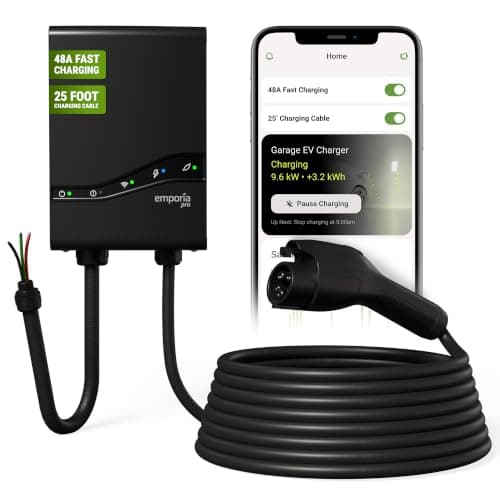
For most home installs, no — the branch-circuit breaker is the disconnecting means and nothing additional is required. The code threshold is a number: NEC 625.43 requires a disconnecting means for EVSE rated more than 60 amperes or more than 150 volts to ground, and it must be in a readily accessible location and lockable in the open position. A 48 A charger on a 60 A breaker is under that threshold. Two things can still put one in your install: a local amendment, and an inspector or utility who wants one.
The threshold, in the code's own terms
NEC Article 625 governs electric vehicle supply equipment, and 625.43 is the section that deals with disconnecting means. It applies to EVSE rated more than 60 A or more than 150 V to ground — and for a residential install in the US, both parts of that test matter.
| Charger | Breaker | Volts to ground | Separate disconnect required by 625.43? |
|---|---|---|---|
| 32 A / 7.7 kW | 40 A | 120 V | No |
| 40 A / 9.6 kW | 50 A | 120 V | No |
| 48 A / 11.5 kW | 60 A | 120 V | No — 60 A is not more than 60 A |
| 50 A / 12 kW | 70 A | 120 V | Yes |
| 80 A dual-onboard-charger truck | 100 A | 120 V | Yes |
That line is worth noticing: the single most common high-end home charger — 48 A on a 60 A breaker — sits exactly at the boundary and does not cross it. A 50 A charger, which needs a 70 A breaker, does. It is one more quiet reason our 50 A charger roundup recommends stopping at 48.
Why the breaker counts as the disconnect
A two-pole circuit breaker opens both hot legs and can be padlocked in the off position with an inexpensive lockout clip. That satisfies what a disconnecting means is for: a way for whoever works on the equipment to kill it and know it cannot be re-energised behind them.
The breaker that is doing the job
On a hardwired 48 A install, this is the disconnecting means. It must match your panel's listed breaker type - brand compatibility is not optional, because the wrong brand voids the panel's listing.
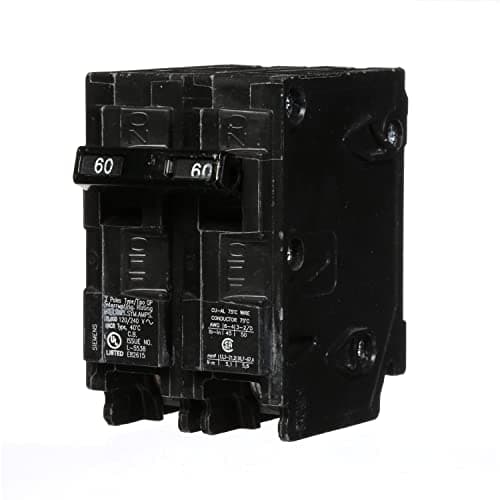
A 48 A charger in a Siemens or Murray panel
Siemens Q260 60 A Double-Pole Breaker
The standard 60 A two-pole breaker for a 48 A hardwired charger — 48 A x 125% = 60 A, exactly as NEC 625.41 requires.
#ad Price as of October 10, 2026. How we make money
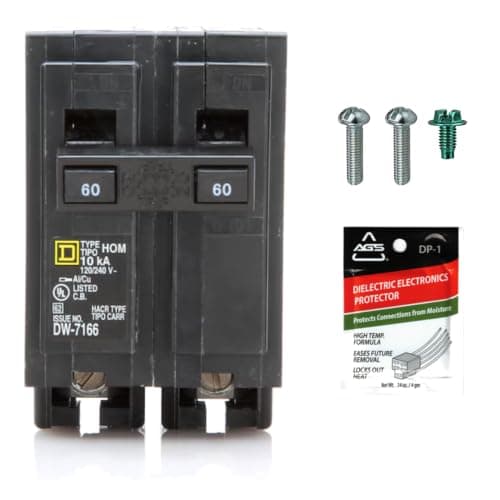
A 48 A charger in a Square D Homeline panel
Square D HOM260 60 A Double-Pole Breaker
The Homeline 60 A two-pole, for the single most common residential panel in the US. Match the breaker to the panel's listing, not to price.
#ad Price as of October 10, 2026. How we make money
We earn commission on qualifying purchases at no cost to you. Affiliate disclosure.
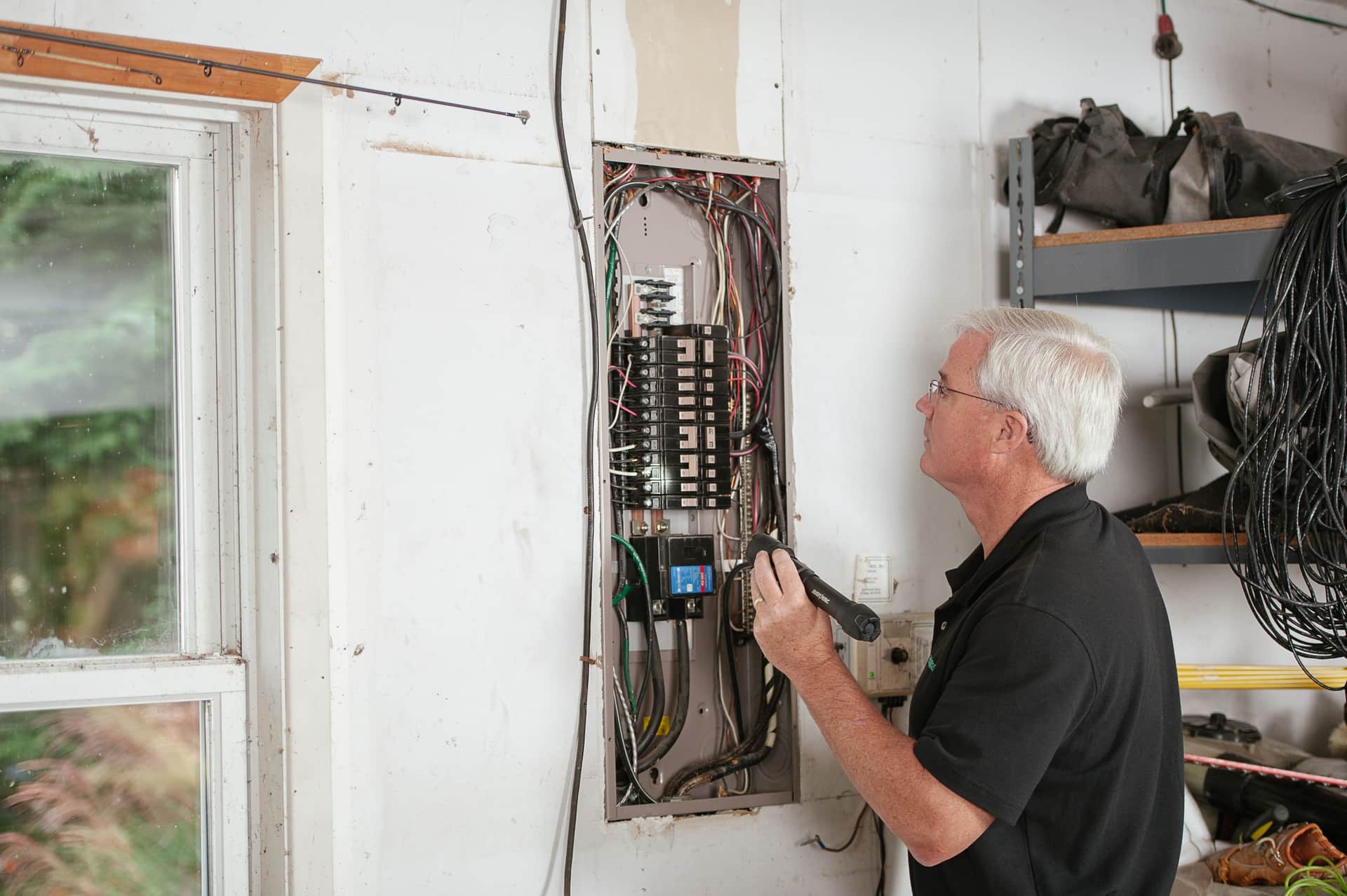
Our best EV charger breakers roundup has the panel-brand matrix. The one thing to add here: if the breaker is the disconnect, it needs to be readily accessible — a panel behind a stack of boxes in a crawlspace is not, in any practical sense, and an inspector may say so.
Three cases where you need one anyway
- A local amendment. Jurisdictions amend the NEC, and some require a local disconnect for EVSE regardless of rating — particularly for outdoor or detached-structure installs. Your local building department is the authority on this, not the national code text, and asking before the work is quoted costs nothing.
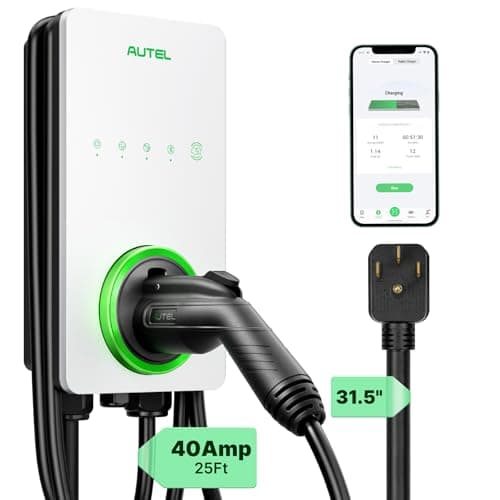
- A detached garage or outbuilding. This is the most common real-world case. NEC 225.31 and 225.32 require a disconnecting means for conductors supplying a separate structure, located where the conductors enter it. That is a feeder requirement rather than an EVSE one, but it means a charger in a detached garage frequently ends up with a disconnect nearby — see EV charger in a detached garage.
- The panel is a long way from the charger. Even where no rule demands it, a disconnect within sight of the equipment is good practice if the breaker is at the other end of the house. An electrician coming to service the unit years from now will be grateful, and so will you the first time something needs isolating in a hurry.
Is the receptacle a disconnect?
On a plug-in install the question largely dissolves: unplugging the charger disconnects it. A cord-and-plug connection is the most obvious disconnecting means there is, which is one of the few genuine advantages of a plug-in setup. It is also why the plug-in route rarely raises this question at all.
The trade-offs run the other way on nearly everything else — a plug-in install is capped at 40 A, needs a GFCI breaker under NEC 625.54, and puts an industrial-grade receptacle in the circuit as a wear point. Hardwired vs plug-in weighs the whole picture, and best NEMA 14-50 receptacles covers the part that fails if you cheap out.
What to ask, and when
- Ask the building department before the quote. "Does your jurisdiction require a local disconnect for a 48 A hardwired EVSE in an attached garage?" is a thirty-second phone call that prevents a change order.
- Ask the electrician to price it as a line item if the answer is unclear. A small fused or non-fused disconnect near the charger is an inexpensive addition at rough-in and an expensive one afterwards.
- Get it on the permit drawing either way, so the inspection does not turn into a negotiation. EV charger permits and inspection covers what a submission normally includes.
- Do not add one on your own initiative in a finished wall. If nothing requires it, the box, the cover plate and the extra terminations are three more things to go wrong for no code benefit.
And one thing worth repeating from our hiring guide: an electrician who answers "does this need a disconnect?" with a specific reference to your jurisdiction's adopted code edition is telling you something useful about how the rest of the job will go.