The short answer
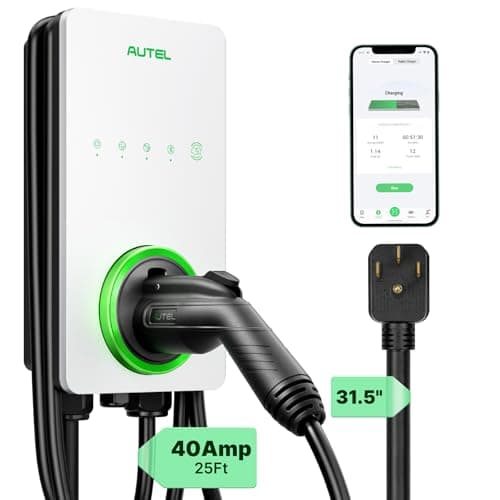
The Autel MaxiCharger AC Lite is a 40 A / 9.6 kW charger with two specifications nothing else here matches: output adjustable from 6 A to 40 A in 1 A steps via the app, and an operating range of -40 degF to +131 degF. It adds integrated surge protection and 20 mA CCID ground-fault detection, a 25 ft cable, a NEMA 4 enclosure and a 36-month warranty.
Those two specs sound like footnotes and are not. A charger rated to -40 degF is a materially different product from one rated to -22 degF if you live where winter means something, and 1 A adjustment granularity is the difference between fitting a load calculation and rounding away from it.
Who this is for
- An unheated garage or an outdoor install in the north. -40 degF is the widest cold rating of any unit we recommend. The Wallbox Pulsar Plus, by contrast, is rated to -22 degF.
- A load calculation that landed at an awkward number. If your service supports 37 A, every other charger here makes you choose 32 A and leave capacity unused. This one sets to 37.
- Anyone who wants surge protection without a separate device, though a panel-mounted SPD is still better value for protecting the whole house.
- A 40 A car, or a 48 A car on a 50 A circuit where 40 A is the ceiling anyway.
Who should buy something else instead
- You need 48 A. This is a 40 A unit. On a Rivian, F-150 Lightning or Hummer EV the extra 1.9 kW matters.
- You want whole-home load management. The Autel adjusts its own output; it does not watch your panel. The Emporia Pro does, and that is what avoids service upgrades.
- You want the deepest support history. Autel's North American consumer presence is newer than ChargePoint's, Tesla's or Leviton's, and a warranty is only as good as the company behind it.
- You want a hardwired unit. The AC Lite is plug-in; Autel's 50 A model is the hardwired option in the range.
- You dislike connectivity surface. Bluetooth, Wi-Fi, Ethernet, CAN and RS485 is more than a house needs and more to go wrong.
Why 1-amp granularity is genuinely useful
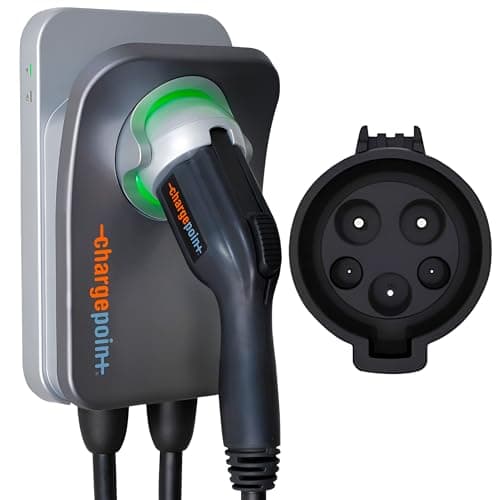
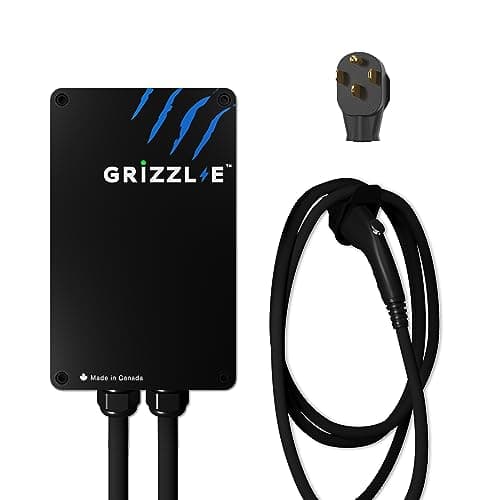
Most adjustable chargers offer presets. The ChargePoint Home Flex steps 16/24/32/40/48/50 A; the Grizzl-E switches between 16/24/32/40; the EVIQO has 16/32/40/48. The Autel does 6 to 40 in single amps.
That matters in one specific situation and it is more common than it sounds. A load calculation produces a number — say 36 A of available continuous capacity. With presets you set 32 A and leave 4 A unused, which on a 40 A-capable car is 10% of your charge rate given away to rounding. With 1 A steps you set 36.
| Charger | Settable to | Granularity |
|---|---|---|
| Autel MaxiCharger AC Lite | 6-40 A | 1 A steps |
| ChargePoint Home Flex | 16, 24, 32, 40, 48, 50 A | Presets |
| EVIQO 48 A | 16, 32, 40, 48 A | Presets, internal switch |
| Grizzl-E Classic | 16, 24, 32, 40 A | Presets, physical switch |
| Enphase IQ EV Charger 2 | Tracks solar in 1 A increments | 1 A for solar tracking |
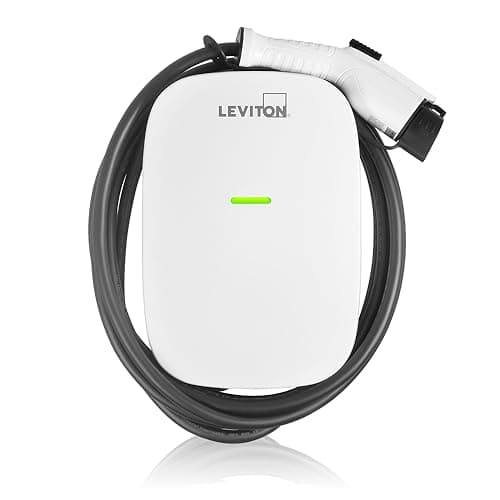
| Leviton 32 A / 48 A | Fixed | None |
The cold rating, in context
| Charger | Low | High |
|---|---|---|
| Autel MaxiCharger AC Lite | -40 degF | +131 degF |
| Wallbox Pulsar Plus 48 A | -22 degF | +104 degF |
| Others | Check the manufacturer's documentation | — |
One caveat worth stating: the cable stiffens regardless. No charger's temperature rating makes 25 feet of EV cable pleasant to handle at 10 degF. What the rating protects is the electronics, not the ergonomics.
What this charger needs from your electrical system
| Item | Requirement | Code basis |
|---|---|---|
| Charger output | 40 A / 9.6 kW | Manufacturer published |
| Breaker | 50 A, two-pole | NEC 625.41 — 125% of a continuous load; NEC 625.42 makes EV charging continuous |
| Copper conductor (conduit, 75 degC) | 8 AWG | NEC Table 310.16 |
| GFCI breaker | Required if plug-in; not required if hardwired | NEC 625.54 |
| Install type | plug-in | Manufacturer published |
Known issues, from owner reports
- 40 A ceiling, which is the main limitation rather than a fault.
- App-gated amperage, so the 1 A granularity depends on a phone and an account. Owners report occasional pairing friction.
- Newer North American support presence than the established brands. Worth weighing on a device you expect to keep for a decade.
- Connectivity surface. Five communication interfaces on a home charger is a lot, and each is a potential failure point.
- Plug-in only on the AC Lite, which means a GFCI breaker under NEC 625.54 and the nuisance-tripping risk that brings.
On the integrated surge protection
A genuine feature and not a substitute for a panel-mounted device. The charger's protection defends the charger; a panel SPD defends the HVAC, the range and everything else on the service for a fraction of the charger's price. If you are choosing where to spend, the panel device is better value — see EV charger surge protection.
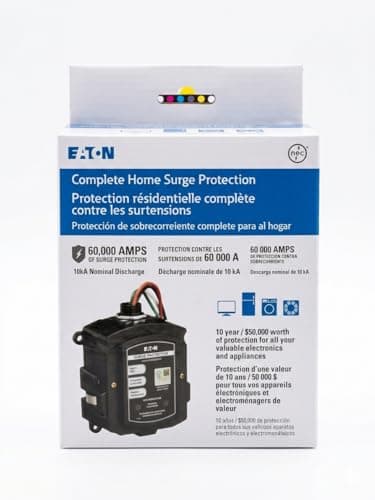
Protecting a charger that is wired into the panel
Eaton CHSPT2ULTRA Whole-Home Surge Protector
The panel-level complement. Fit it while the panel is open for the charger circuit; a separate service call later costs more than the device.
What the install needs
A 50 A two-pole GFCI breaker and 8 AWG copper for 40 A, per NEC 625.41 and 625.54 — the GFCI is required because this is a plug-in unit on a receptacle. Use an industrial-grade NEMA 14-50 receptacle: a 40 A continuous load finds every marginal contact in a builder-grade one.
The receptacle and breaker this install needs
Both required rather than optional on a plug-in 40 A install.
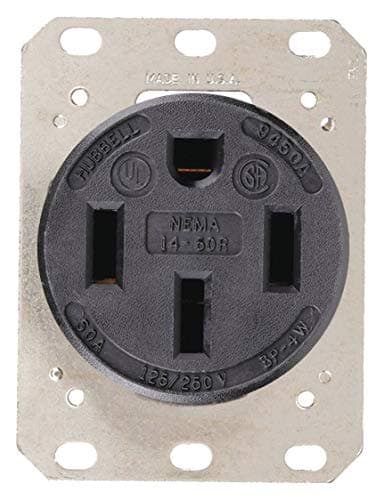
The one part not to save money on
Hubbell HBL9450A NEMA 14-50 Receptacle (industrial)
An industrial-grade 14-50 receptacle. An EV draws 40 A continuously for hours, which is a duty cycle the cheap builder-grade receptacles were never designed for — this is the part that stops a plug-in install from browning its own contacts.
#ad Price as of October 5, 2026. How we make money
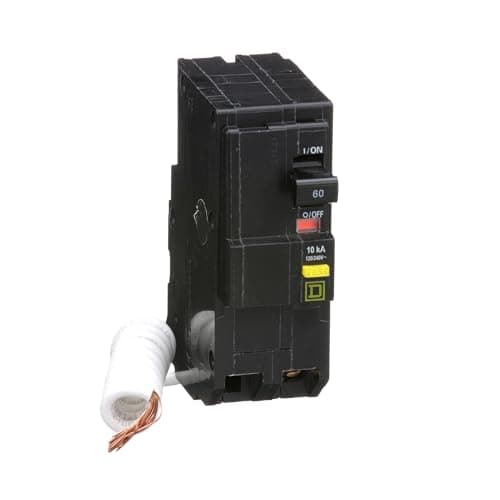
A plug-in charger on a 14-50 receptacle circuit
Square D QO260GFI 60 A 2-Pole GFCI Breaker
If your charger plugs into a receptacle, NEC 625.54 requires GFCI protection on that circuit, and this is the part that provides it. It is also the single most common cause of nuisance tripping in a home charging install.
We earn commission on qualifying purchases at no cost to you. Affiliate disclosure.