The short answer
A generator can charge an EV if it provides 240 V single-phase through a receptacle your charging equipment can plug into, with enough continuous output for the current you set. Level 2 at 40 A is 9.6 kW continuous, which needs a large standby or a big portable unit; the realistic pairing with a normal portable generator is an adjustable cordset at 16 A (about 3.8 kW). Two things stop people who have the right wattage: the generator's 240 V outlet is often a 30 A L14-30 rather than a 14-50, and the EV charging equipment performs a ground check that a floating-neutral generator can fail.
Start with the arithmetic
EV charging is a continuous load — hours at a fixed current, which is the worst case for a generator. Work out what each charging rate demands before looking at any hardware.
| Charging rate | Continuous draw | Generator needed (continuous, not surge) |
|---|---|---|
| Level 1, 12 A at 120 V | About 1.4 kW | Most portable generators |
| Level 2, 16 A at 240 V | About 3.8 kW | A mid-size portable with a 240 V outlet |
| Level 2, 24 A at 240 V | 5.8 kW | A large portable, 7.5 kW class and up |
| Level 2, 32 A at 240 V | 7.7 kW | A 10 kW class unit or a standby |
| Level 2, 40 A at 240 V | 9.6 kW | A standby generator, realistically |
240 V x 40 A = 9,600 W, held for 4-8 hours
a continuous load, not a starting load
A generator's peak figure exists for motor starting. Charging asks for full current continuously for hours, so the running watts figure is the only one that matters here.
The receptacle is the first real obstacle
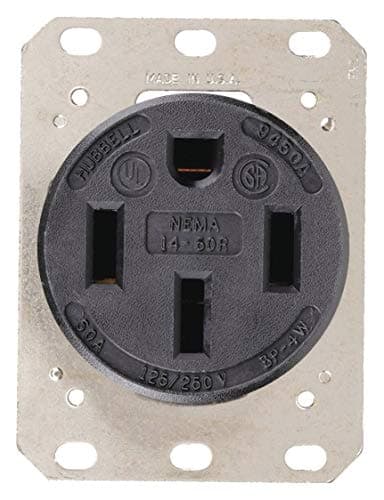
Plenty of portable generators advertise 240 V and then provide it through a NEMA L14-30 twist-lock — a 30 A circuit. Thirty amps of circuit means 24 A continuous at the 80% continuous-load rule, so even a generator with the wattage may not have an outlet that can deliver 40 A.
- L14-30 (30 A): 24 A continuous ceiling. Workable with an adjustable charger set to 16 or 24 A.
- NEMA 14-50 (50 A): 40 A continuous ceiling — the outlet most portable Level 2 units expect. See NEMA 14-50 for EV charging.
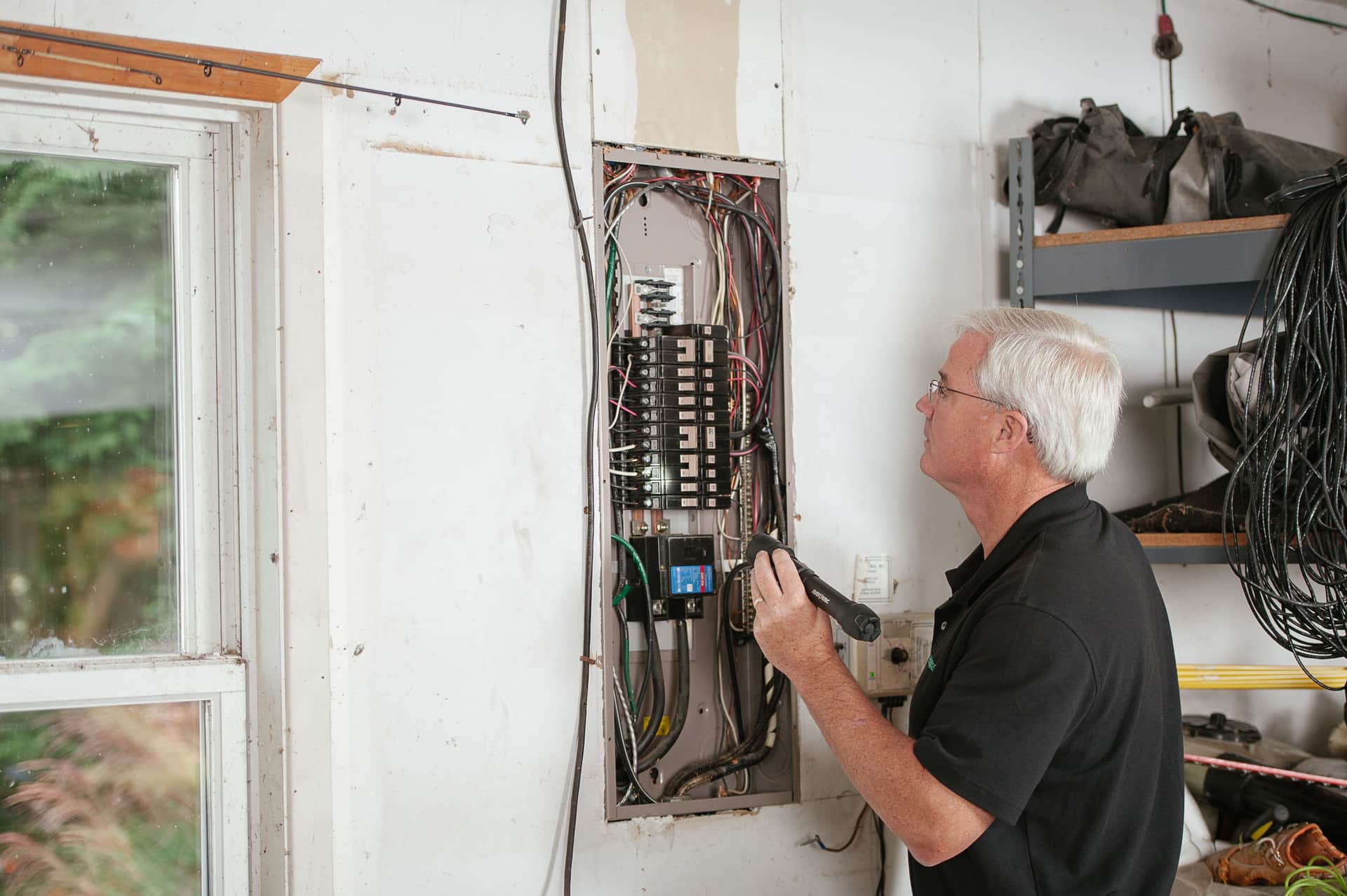
- A transfer switch feeding the house panel: the charger stays where it is and runs from the generator through its own circuit. This is the clean way to do it and it is an electrician's job.
The neutral-bonding problem nobody warns you about
EV charging equipment checks its own supply before it closes the contactor. Chargers include ground-fault detection — the Autel unit we cover publishes 20 mA CCID detection, and NEC 625.54 requires GFCI protection on receptacles installed for EV charging — and that circuitry needs a properly referenced ground to work with.
Portable generators come in two configurations: neutral bonded to the frame, or floating neutral. Which one you have determines whether the charger's ground check is satisfied, and it is printed in the generator's own manual. If your charger refuses to start on generator power and reports a ground fault, this is the usual reason — and the fix is not to defeat the detection. It is to ask the generator manufacturer which configuration the unit is and what they support.
What this costs, honestly
We will not print a cents-per-mile figure here, because it depends on your generator's fuel consumption at the load you are running and on local fuel prices, and an invented number would be worthless. The shape of the answer is clear enough: a generator is several times more expensive per kWh than grid electricity at any plausible fuel price, and the loss in the generator itself is real. Our cost to charge an EV at home page gives you the grid figure to compare against, using your own tariff.
Which makes the use case narrow and specific: an outage, a remote site with no service, or a trip where there is nothing else. It is not a way to avoid an installation, and it is not cheaper than a time-of-use tariff.
What to use at the car end
The equipment that suits a generator
Adjustability is the feature that matters: a charger you can set to 8, 12 or 16 A lets you match the generator's real continuous capacity instead of hoping. All three of these plug in — nothing here needs mounting.
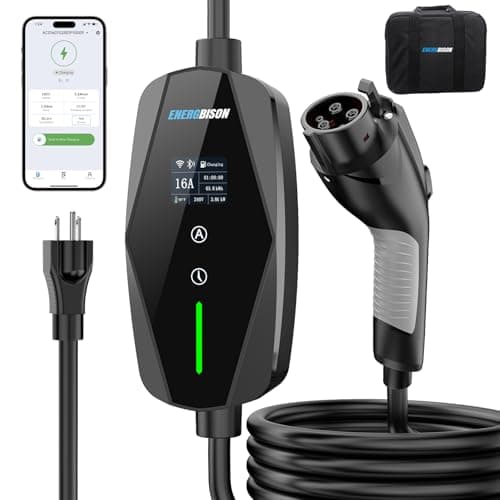
A shared or uncertain circuit
Portable Level 1 & 2 EV Charger with Timer (8-16 A)
Adjustable from 8 to 16 A with a built-in timer, which is the right feature set for a circuit you do not own and cannot characterize: dial it down until nothing else on the circuit complains.
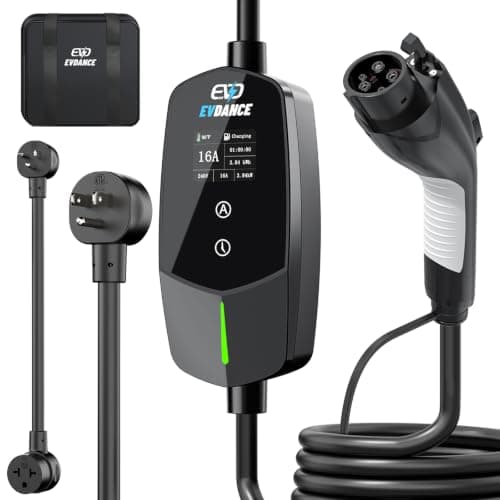
A renter with access to a 240 V outlet
EVDANCE Level 1 & 2 Portable EV Charger (16 A)
A dual-voltage 16 A cordset. On 240 V that is about 3.8 kW — roughly twice the Level 1 cordset that came with the car, from an outlet you may already be allowed to use.
#ad Price as of October 28, 2026. How we make money
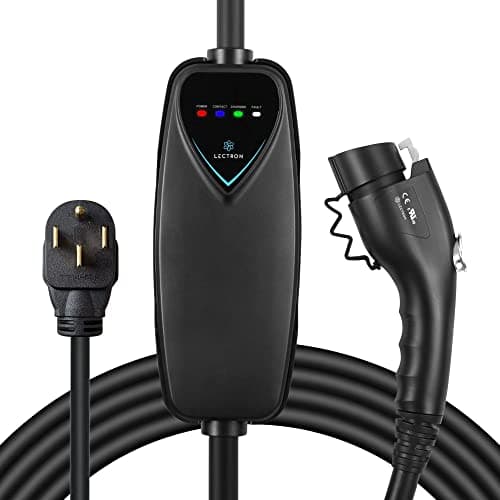
The cheapest charger worth owning
Lectron Level 2 EV Charger (40 A, NEMA 14-50)
A 40 A ETL-certified portable charger for roughly half what the smart units cost. It does one thing, it does it at 9.6 kW, and for a household charging overnight on a flat rate that is the whole job.
#ad Price as of October 28, 2026. How we make money
We earn commission on qualifying purchases at no cost to you. Affiliate disclosure.
The adjustable 8-16 A unit is the best match for a portable generator: dial it down until the engine is not laboring, and the built-in timer works even if the car cannot schedule. The EVDANCE 16 A is the simpler dual-voltage version at about 3.8 kW on 240 V. The Lectron 40 A cordset is only the right answer if you have a standby generator with a genuine 14-50 and the continuous rating to match — otherwise it will ask for more than the engine can give. More options in best portable Level 2 EV chargers.
If what you actually want is backup power from the car rather than into it, that is the opposite feature and a different purchase — see bidirectional charging and V2H at home.
A workable plan, in order
- Read the generator's continuous rating, not the peak figure, and its altitude and temperature derating.
- Identify its 240 V receptacle and what current that circuit supports — 30 A means 24 A continuous.
- Check the manual for neutral bonding and for whether the maker supports EV charging equipment.
- Divide the continuous rating by 240 V, then set the charger at or below that current with margin for the engine.
- If the house charger is involved at all, use a transfer switch installed by a licensed electrician.