The short answer
An experienced EV owner has the charger, the cable hook and probably the adapter. What they almost certainly do not have: a whole-home energy monitor, panel surge protection, a lock on the adapter clipped to an outdoor handle, and an extra-duty in-use cover if their charger plugs in outdoors. All four solve real problems and none of them is the kind of thing anyone buys for themselves.
The gift that answers the question they keep asking
Every EV owner eventually asks two questions: what is the car actually costing me, and could my panel take more? A whole-home energy monitor answers both with measurements instead of estimates.
It also finds everything else in the house that is quietly expensive, which is the part people get genuinely interested in. And if they have an Emporia charger, the monitor is what closes the load-management loop so the charger throttles against real whole-home draw rather than an assumption.
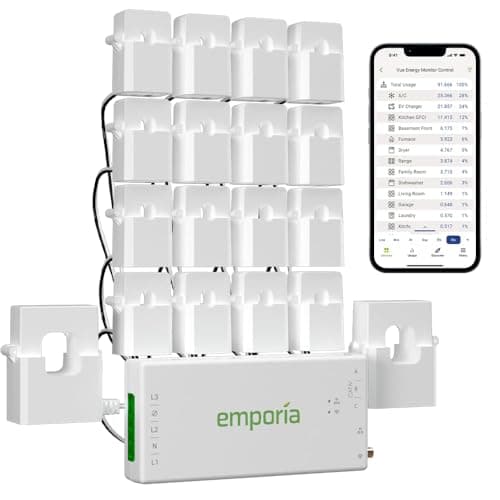
Knowing what your panel is actually doing
Emporia Vue 3 Home Energy Monitor
Whole-home and per-circuit monitoring. The current transformers go around the service conductors in the panel, so it needs an electrician unless the recipient is comfortable in there. See [EV charger load calculation](/installation/ev-charger-load-calculation) for why the measured data is worth having.
#ad Price as of October 5, 2026. How we make money
The one nobody thinks of
Panel surge protection. A hardwired charger has no plug to put a surge strip on, so the protection has to live at the panel — and a charger is exactly the kind of thing worth protecting: permanently connected power electronics, often on an exterior wall, at the end of a long branch circuit.
It also protects the HVAC boards, the range controls and everything else on the service, which makes it one of the best value-per-dollar purchases in a house. Most charger warranties exclude surge damage, which is the other half of the argument.
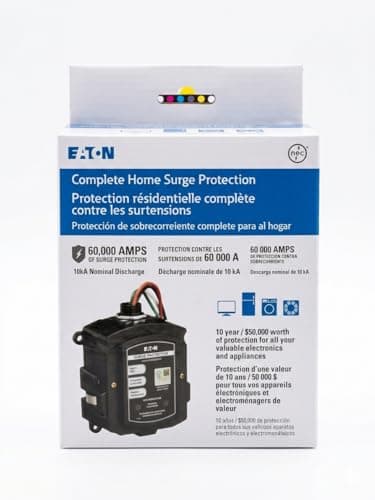
Protecting a charger that is wired into the panel
Eaton CHSPT2ULTRA Whole-Home Surge Protector
A Type 2 device rated 60 kA, mounted in or beside the panel. Needs two breaker spaces and an electrician. Ideal if they have electrical work coming up; see [EV charger surge protection](/installation/ev-charger-surge-protection).
For an outdoor charger
Three things an outdoor install usually lacks, in increasing order of cost.
A locking adapter
The most stealable part of any outdoor charging setup is not the charger — it is hardwired to a wall. It is the adapter clipped to the handle. A locking version solves that for very little money, and it is a problem most owners only think about after something goes missing.
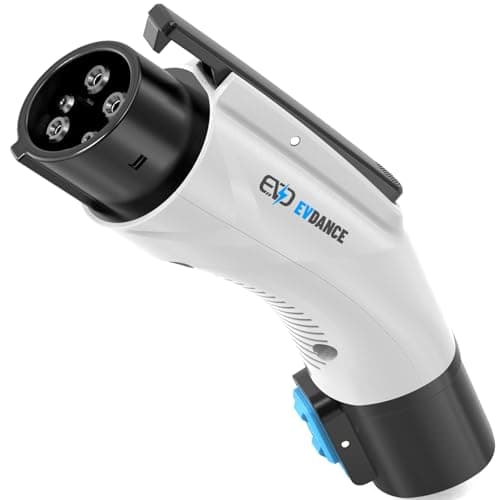
A driveway charger nobody is watching
EVDANCE NACS to J1772 Adapter with Security Lock
An 80 A NACS-to-J1772 adapter with an integrated lock. For a J1772 car charging on a Tesla Wall Connector in a street-facing driveway, this is the gift that solves a problem they have not had yet.
#ad Price as of October 5, 2026. How we make money
An extra-duty in-use cover
If their charger plugs into an outdoor receptacle, a standard flip-lid cover is not weatherproof once a plug is in it. An extra-duty in-use cover closes over the plug. A metal one survives UV far better than the clear plastic versions.
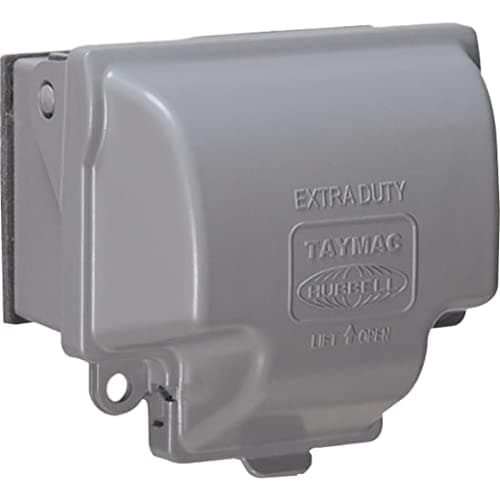
An outdoor 240 V receptacle with a charger plugged in
TayMac MX3300 RaynGuard Metal Weatherproof In-Use Cover
Metal, extra-duty, deep enough to close over a 14-50 plug. Check the depth against their specific plug — some charger plugs are bulkier than the RV plugs these are commonly sized around.
#ad Price as of October 5, 2026. How we make money
A roofed pedestal
A generous gift for someone whose charger lives on a bare post in a snow belt. It does not protect the charger — that is already weather-rated — it protects the handle and cable, which is what the weather actually degrades.
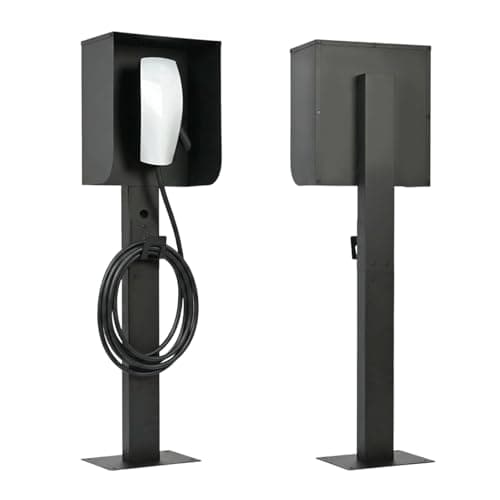
A pedestal in heavy rain or snow
Lukar EV Charger Pedestal with Roof and Side Protection
A steel pedestal with a roof and side panels. Only relevant if they already have, or want, a freestanding install rather than a wall mount — and it still needs a 240 V feed brought out to it, which the pedestal does not include.
#ad Price as of October 5, 2026. How we make money
A full lockable enclosure
For a genuinely exposed install — a shared driveway, a street-facing wall — a lockable steel enclosure protects against theft and tampering rather than against weather.
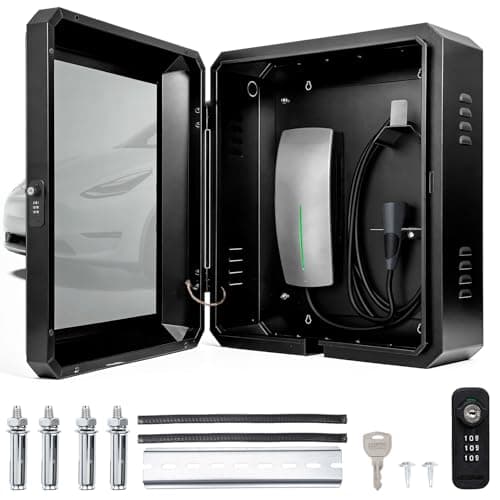
An outdoor charger in a shared or street-facing driveway
Lockable Outdoor EV Charger Enclosure (large)
Sized for a Tesla Wall Connector, ChargePoint or Grizzl-E. Two honest caveats to pass on: people stop locking things by about week three, and the charger's own clearance requirements still apply — an enclosure can trap heat around a unit designed for free air. NEC 110.3(B) makes the manual's clearances enforceable.
#ad Price as of October 5, 2026. How we make money
The one to buy only if they asked
An extension cable. Most charger manufacturers advise against them and every extra connection is a heat risk on a continuous 40-48 A load. But if their cable genuinely does not reach and moving the charger is not possible, the specification to insist on is 50 A rated and UL listed, which most EV extension cables are not.
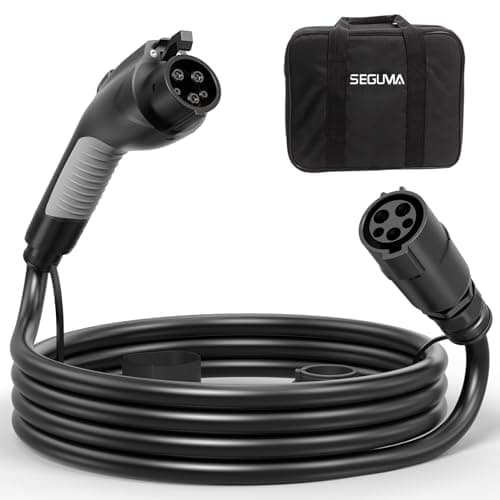
The extension to pick if you must use one
SEGUMA J1772 Extension Cable (21 ft, 50 A, UL listed)
50 A rated with real headroom over a 48 A charger, and UL listed. Pass on the advice with it: keep it uncoiled, and check the connections for warmth in the first week. [Are EV charger extension cords safe](/cables-adapters/are-ev-charger-extension-cords-safe).
#ad Price as of October 5, 2026. How we make money
What they already have
To save you buying a duplicate, an experienced owner almost certainly owns:
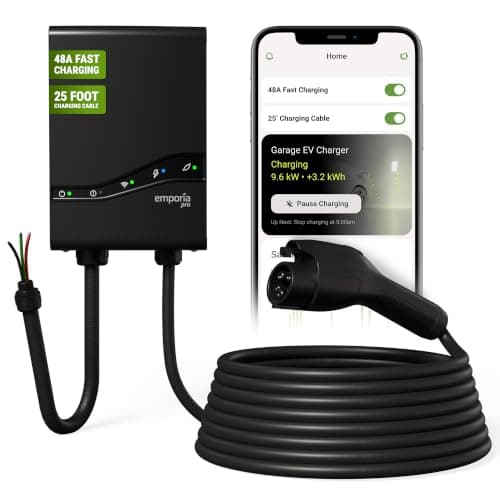
- A charger, chosen for their car and their panel. Replacing it is not a gift.
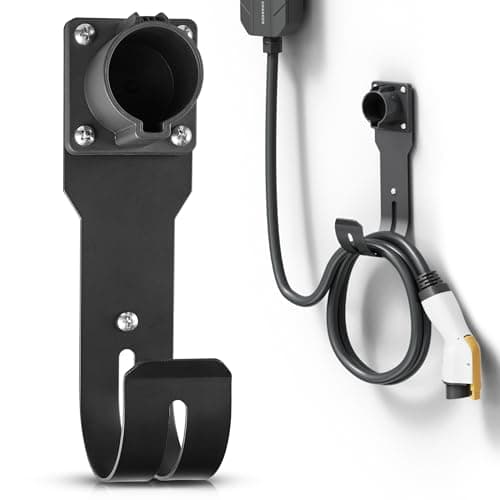
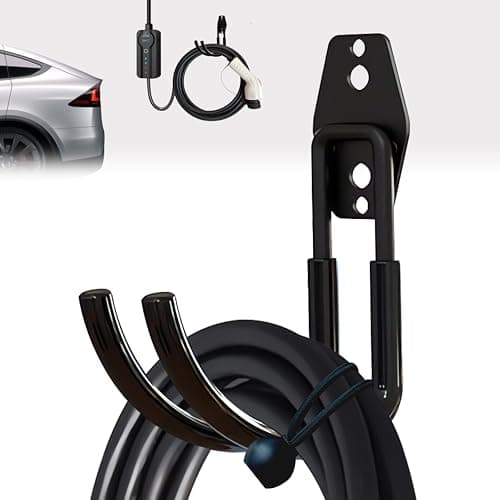
- A cable hook, probably. A second one for a different wall is still occasionally useful.
- One adapter, if they need one. A second adapter to leave permanently in the car is genuinely welcome.
- Their car's own charging cable, which lives in the trunk and is rarely used once a wall charger exists.