The short answer
The Autel MaxiCharger AC Lite is the best EV charger for cold weather: its published operating range runs -40 degF to +131 degF, the widest of any unit we cover, and it adjusts output in 1 A steps. The Grizzl-E Classic is the pick if physical toughness matters more than the last few degrees — a cast-aluminum NEMA 4 body with an IP67 rating and dip-switch amperage, so nothing about it depends on a radio working in a freezing detached garage. Both are 40 A; cold weather is not where you buy extra amps.
Quick picks
Ranked by fit for the stated use case first, then price, then warranty and support. Tap any row to jump to the full assessment. Commission rate plays no part in the order.
| # | Product | Best for | Score | Price |
|---|---|---|---|---|
| 1 | 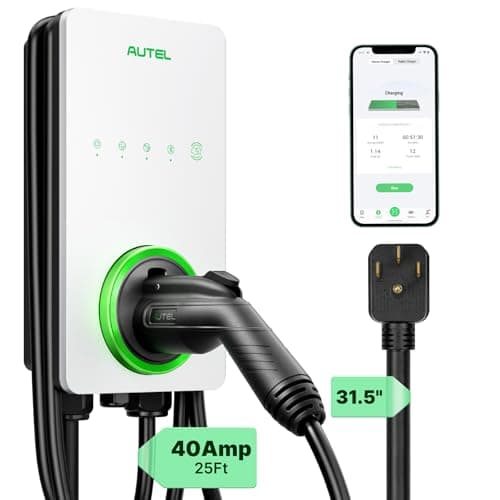 Autel MaxiCharger AC Lite (40 A)The widest output adjustment range here — 6 A to 40 A in the app — plus an operating range down to -40 degF, which makes it the practical pick for an unheated garage in the north. | Cold climates and 1 A output tuning | 8.6 | $375.99View on Amazon $470.00 list · 20% off |
| 2 | 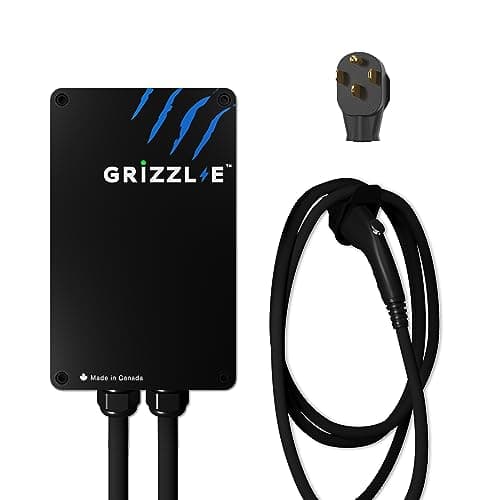 Grizzl-E ClassicA cast-aluminum 40 A charger with dip switches instead of a cloud account. | An outdoor install, and anyone who distrusts apps | 8.5 | $299.99View on Amazon $399.00 list · 25% off |
| 3 | 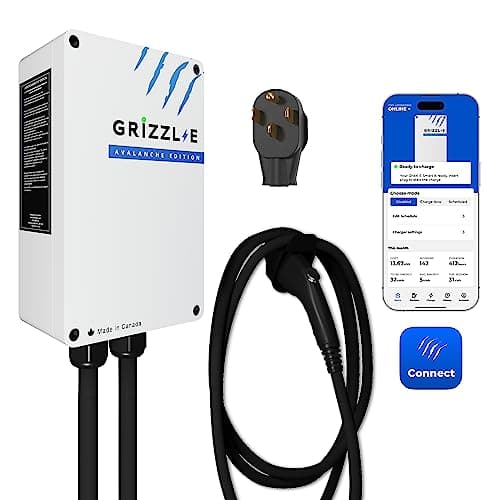 Grizzl-E Classic ConnectThe Classic's enclosure with Wi-Fi bolted on, for people who want the metal box and the time-of-use schedule. | The Grizzl-E build with scheduling added | 8.3 | |
| 4 | 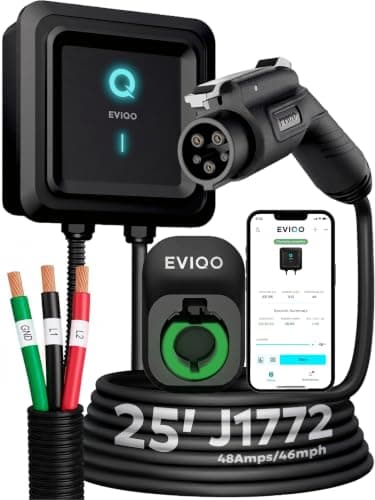 EVIQO Level 2 EV Charger (48 A, hardwired)The cheapest way to get a genuine 11.5 kW hardwired install, with IP66/NEMA 4 weatherproofing and an internal switch for 16/32/40/48 A. | 48 A on a budget | 8.4 | $449.99View on Amazon $510.00 list · 12% off |
| 5 | 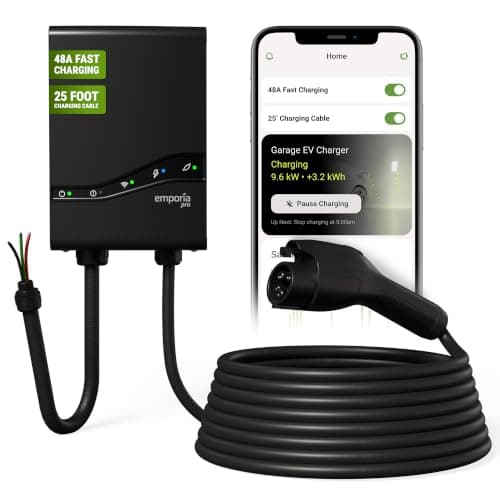 Emporia Pro Level 2 EV ChargerThe best-balanced 48 A charger for a typical US house: full 11.5 kW hardwired, and the only unit at this price that ships with a whole-home energy monitor so its load management is reading your actual panel rather than guessing. | Most households, and anyone with a tight panel | 9.0 |
The one specification that separates these units
Almost every Level 2 charger sold in the US publishes the same headline figures: 40 or 48 A, a NEMA 4 enclosure, an app. The number that is not the same is the published lower operating limit, and it spreads by nearly twenty degrees across otherwise comparable hardware.
| Charger | Published low limit | Enclosure | Max output |
|---|---|---|---|
| Autel MaxiCharger AC Lite | -40 degF | NEMA 4 | 40 A |
| Grizzl-E Classic | Manufacturer-published cold-climate rating | NEMA 4 cast aluminum, IP67 | 40 A |
| Grizzl-E Classic Connect | Same shell as the Classic | NEMA 4 cast aluminum | 40 A |
| EVIQO 48 A | Manufacturer-published | IP66 / NEMA 4 | 48 A |
| Emporia Pro | Manufacturer-published | NEMA 4 | 48 A |
What cold actually does to a home charge
Three separate effects, and only one of them is about the charger.
- The battery takes less current when cold. The car, not the charger, decides this. A pack below freezing may accept well under its rated AC maximum until it warms, which makes a cold charge start slow and speed up. No charger changes that.
- Part of the energy goes to heating rather than filling. On a cold night the car runs its thermal system during the charge. At 9.6 kW that overhead is a small fraction; at Level 1's 1.4 kW it can be most of the supply, which is the real reason winter makes Level 1 unworkable outdoors.
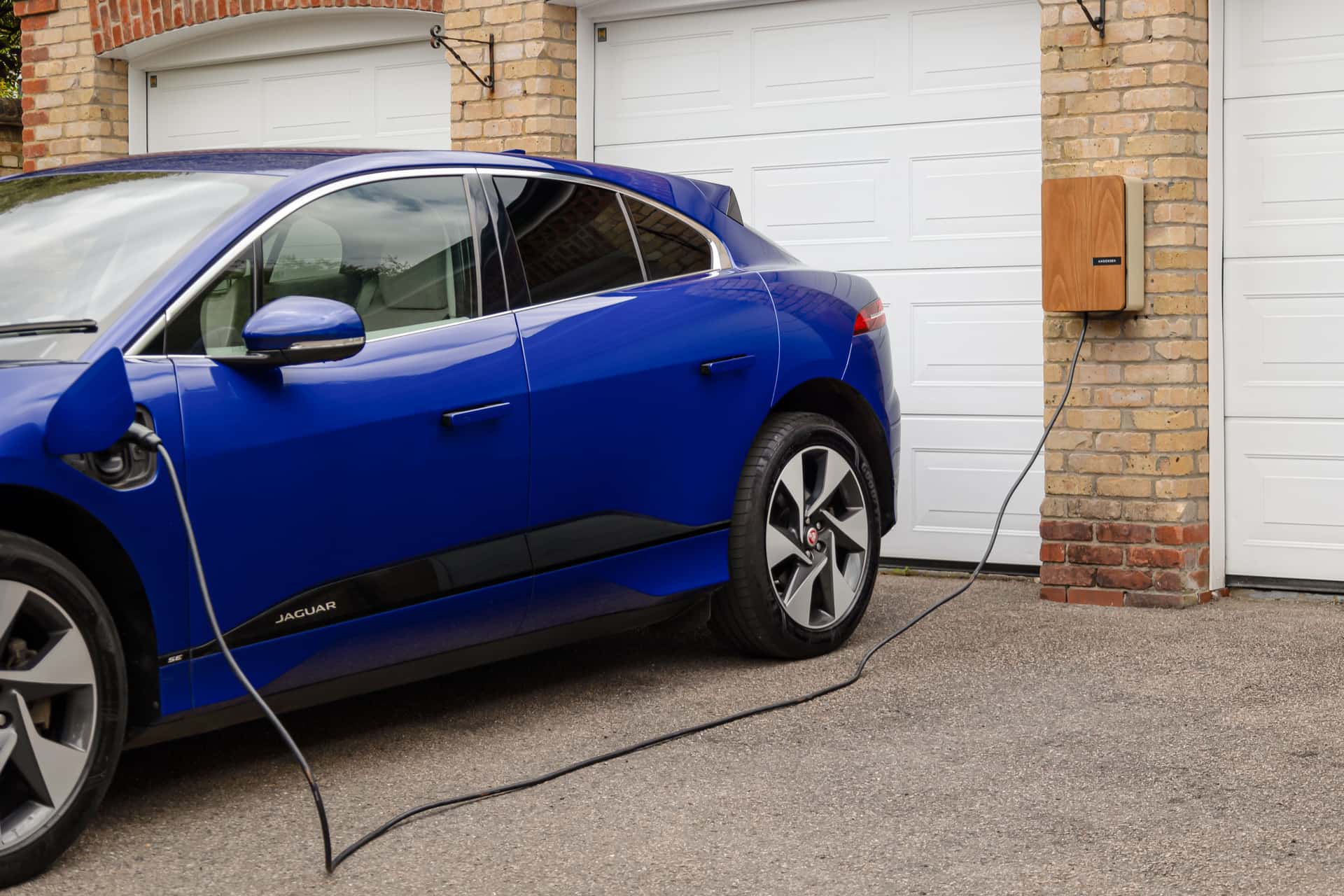
- The cable stiffens. This is the effect owners actually complain about. A 25 ft 8 AWG lead at 0 degF handles like a steel hawser, and the stiffness is what breaks holsters, strains the charge port and makes the cable sit in a puddle that then freezes.
Our cold weather EV charging guide covers the behavior in detail. This page is about which hardware to buy.
What we ranked on
- A published low-temperature limit, in the manufacturer's own documentation. Not an inference from the enclosure rating.
- Enclosure material, because cold makes plastic brittle and a driveway post gets knocked. Cast aluminum is a real advantage here.
- Whether the charger works without its radio. A detached garage at -10 degF is where Wi-Fi fails, and an amperage setting that lives in a physical switch does not care.
- Cable length, which matters more in winter — you want slack to loop, not a cable stretched taut and frozen in that shape.
- Output adjustment granularity, because cold-climate houses tend to have electric heat competing for the same service.
The picks
1. Autel MaxiCharger AC Lite — the widest published range
Cold climates and 1 A output tuning
Autel MaxiCharger AC Lite (40 A)
A published -40 degF to +131 degF operating range, 6-40 A adjustment in 1 A steps, a 25 ft cable and integrated surge protection.
If you want the specification rather than the story, this is it. -40 degF is not a figure most manufacturers will put in print, and the 1 A adjustment range is genuinely useful in a cold-climate house where a heat pump, a backup resistance coil and a charger are all competing for one service. The integrated surge protection is a quiet bonus: winter storms are when surges happen, and most chargers leave that to a panel-mounted device.
2. Grizzl-E Classic — the one to bolt to a driveway post
An outdoor install, and anyone who distrusts apps
Grizzl-E Classic
Cast-aluminum NEMA 4 body, IP67, fire resistant, with amperage set by physical switches rather than an app.
This is the unit to buy if the charger is going outdoors on a post rather than onto a sheltered garage wall. The cast-aluminum shell is the most physically robust enclosure in this price class, and the absence of a radio means there is nothing to lose connection in February. It is 40 A on a 50 A breaker with 8 AWG copper, which is also the cheaper circuit. Pair it with a pedestal if there is no wall.
3. Grizzl-E Classic Connect — the same shell with scheduling
The Grizzl-E build with scheduling added
Grizzl-E Classic Connect
The Classic's enclosure with Wi-Fi scheduling added, for a cold-climate house on a time-of-use tariff.
#ad Price as of October 10, 2026. How we make money
Same body, same switches, plus an app that schedules. Worth it only if your car cannot schedule its own charging — most can, and the comparison is laid out on Grizzl-E Classic vs Classic Connect.
4 and 5. The 48 A options for a warm garage in a cold state
If the charger lives inside and the car lives outside
A charger mounted in an attached garage is not really doing cold-weather duty — the cable is. In that case buy on output and features instead, and spend the saving on a holster that keeps the frozen cable off the floor.
48 A on a budget
EVIQO Level 2 EV Charger (48 A, hardwired)
The cheapest way to get a genuine 11.5 kW hardwired install, with IP66/NEMA 4 weatherproofing and an internal switch for 16/32/40/48 A. The trade is a younger brand with a shorter support record.
Most households, and anyone with a tight panel
Emporia Pro Level 2 EV Charger
The best-balanced 48 A charger for a typical US house: full 11.5 kW hardwired, and the only unit at this price that ships with a whole-home energy monitor so its load management is reading your actual panel rather than guessing.
#ad Price as of October 10, 2026. How we make money
We earn commission on qualifying purchases at no cost to you. Affiliate disclosure.
The EVIQO 48 A carries IP66 on top of NEMA 4 and is the cheapest route to 11.5 kW; it ships set to 40 A, so change the internal switch. The Emporia Pro is the better bet in a cold-climate house with electric heat, because its load management reads whole-home draw and backs the charger off when the heating is working rather than tripping a breaker at 3 a.m. EVIQO vs Emporia Pro sets the two against each other.
The accessories that matter more than the charger
In a cold climate, two cheap purchases do more for reliability than any charger upgrade: something to hold the stiff cable off the ground, and something to keep the handle out of freezing rain.
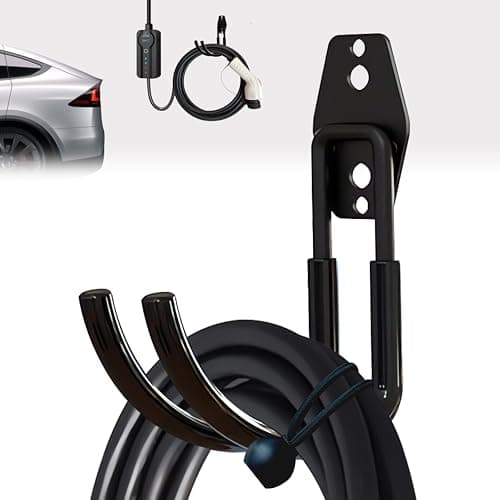
- A steel hook and a holster. A frozen cable left on the ground gets driven over, and a handle sitting in a puddle that freezes is a handle you cannot remove in the morning. Best EV charging cable holders and EV charger cable management cover the options.
- A connector dust cap. It costs almost nothing and stops ice forming in the pins.
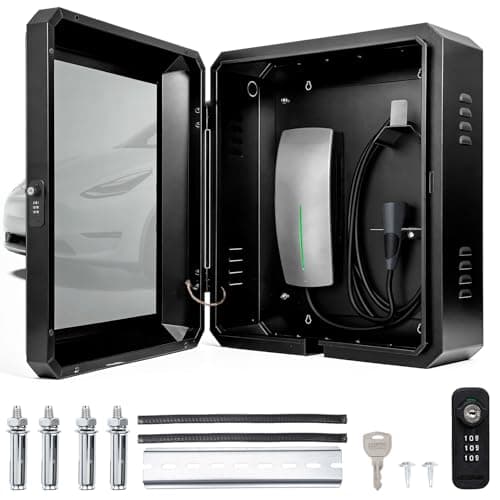
- An enclosure, if the unit is fully exposed. Best weatherproof EV charger enclosures covers them, with the caveat that a NEMA 4 charger does not need one for water — it needs one for sun, hail and curious hands.
How we picked
Every unit here is currently purchasable, carries a real UL or ETL certification to the relevant standard, and comes from a brand with an identifiable North American support path. We verified each one's published specifications against the manufacturer's own documentation on the date shown at the top of this page. We verify specifications; we do not bench-test hardware, and our methodology says so in plain terms. Ranking order is fit for the stated use case first, then price, then warranty and support — commission rate plays no part in it. On this page we deliberately rank a published temperature range above features. Where a manufacturer publishes no numeric low limit, we say so in the table rather than inferring one from the enclosure rating.