The short answer
A plug-in EV charger sits behind two ground-fault devices: the charging equipment's own detection — the Autel unit we cover publishes 20 mA CCID detection — and the GFCI breaker NEC 625.54 requires on any receptacle installed for EV charging. Nuisance trips usually come from that stacking, or from moisture in an outdoor receptacle, a damaged cable, or a loose or wrongly wired termination. Check in that order, and know that hardwiring the charger removes the GFCI breaker requirement entirely — which is the permanent fix in most cases.
Why there are two devices in the first place
They protect against different things, and both are required by design.
- Inside the charging equipment: ground-fault detection on the vehicle side of the connection, watching the cable and the car. This is built into every listed Level 2 unit and cannot be switched off.
- In the panel: a GFCI breaker protecting the receptacle. NEC 625.54 requires GFCI protection on receptacles installed for EV charging, which is why a plug-in install carries a cost a hardwired one does not — our GFCI breaker guide covers the code position.
Both are doing their job. The problem is that two independent detectors in series, each with its own threshold and timing, will sometimes disagree about a small transient — and the one that trips first is the one in your panel.
The five things to check, in order
1. Water
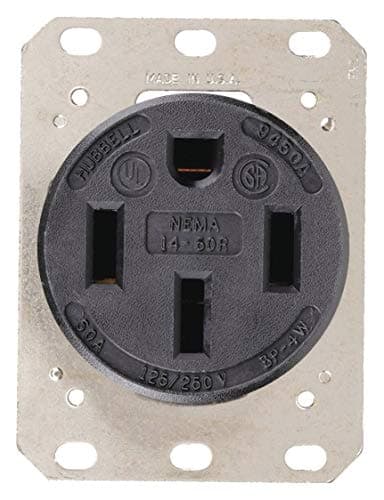
If the receptacle is outdoors or in a damp garage, moisture is the first suspect — and it will correlate with weather, which makes it easy to confirm. A proper in-use cover and a receptacle box that drains are the fix. Outdoor EV charger installation and IP and NEMA ratings explained cover what the enclosure has to be.
2. The cable and the connector
A cable that has been driven over, a connector that has been dropped, or a handle that sits in standing water can all present as a ground fault — because sometimes they genuinely are one. Inspect the full length of the lead and the pins in the connector. This is the strongest argument for cable management and a holster: the cable is the part that gets damaged.
3. The terminations
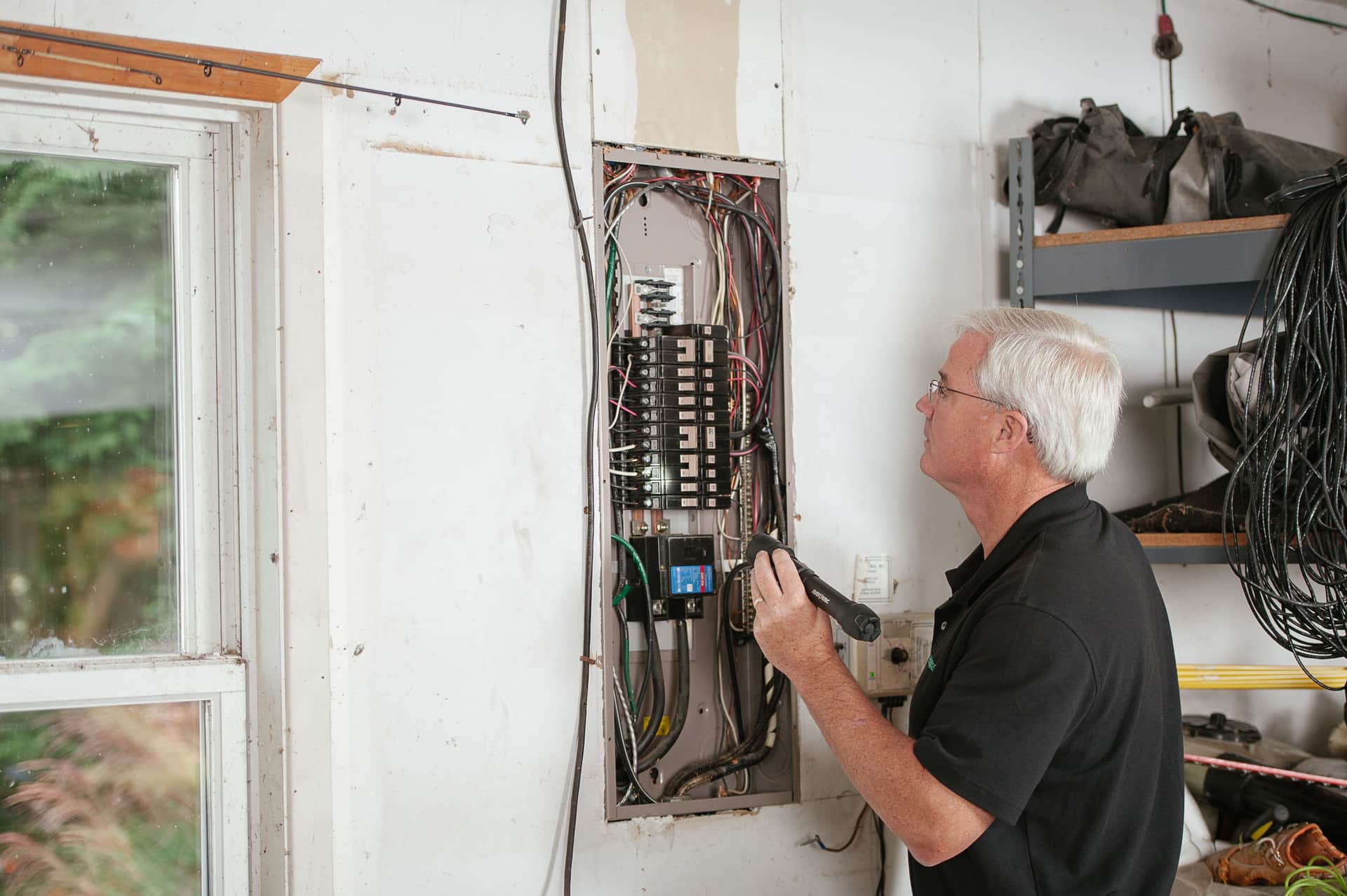
A loose neutral or ground, a neutral and ground bonded where they should not be, or a receptacle wired to the wrong configuration will all cause trips. A GFCI breaker also needs its own neutral pigtail landed correctly on the neutral bar — a classic install error that produces immediate or intermittent tripping. Your electrician can confirm all of this in minutes.
4. The breaker itself
GFCI breakers do fail, and a weak one trips earlier than its rating as it ages. If everything else checks out, swapping the breaker for an identical new one is a cheap test — and it has to be the right type for the panel: a Square D QO panel takes QO breakers, an Eaton BR panel takes BR.
5. Shared circuits and the charger's own setting
A charger drawing its full rating through a circuit that is also feeding something else stresses everything in the path. An EV charger needs its own circuit — does an EV charger need its own circuit is the longer answer — and if the charger is set above what the circuit should carry, fix that first. Our breaker size chart has the pairings.
| What you see | Look at first |
|---|---|
| Trips only in rain or after a wash-down | Moisture in the receptacle or connector |
| Trips at the same point in every session | Charger setting against circuit rating; load on the circuit |
| Trips immediately, every time | Wiring error — neutral/ground bonding, breaker pigtail, receptacle config |
| Started tripping after months of working | Ageing GFCI breaker, a damaged cable, or a termination gone loose |
| Charger reports its own ground fault instead | The vehicle-side detection — inspect the cable, connector and car port |
The permanent fix: hardwire it
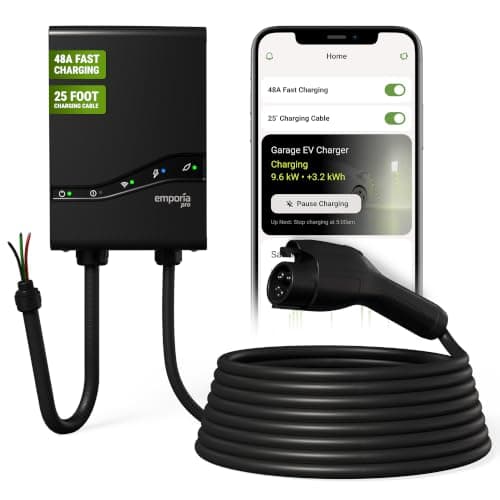
The GFCI breaker exists because there is a receptacle. Remove the receptacle and the requirement goes with it: a hardwired charger keeps its own internal ground-fault detection and no longer has a second device in series to argue with. That is why most of our picks for a permanent install are hardwired, and it is one of the main points in hardwired vs plug-in.
Hardwiring also unlocks 48 A, which no residential receptacle supports continuously — see best hardwired EV chargers.
If you are staying plug-in
The breakers this circuit actually needs
Two GFCI breakers for a plug-in install, matched to the panel brand, and the standard two-pole breaker that is all a hardwired charger requires. Buy the type listed for your panel — breakers are not interchangeable between manufacturers.
A plug-in charger on a 14-50 receptacle circuit
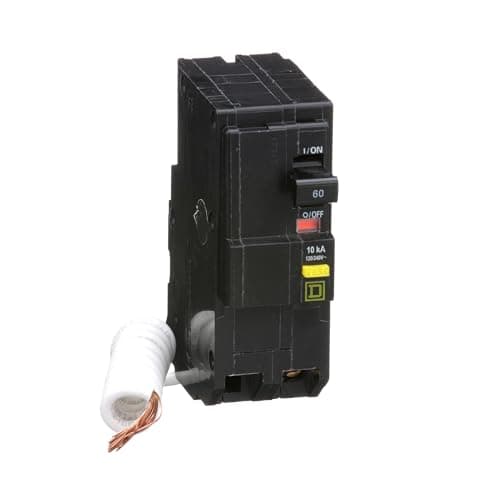
Square D QO260GFI 60 A 2-Pole GFCI Breaker
If your charger plugs into a receptacle, NEC 625.54 requires GFCI protection on that circuit, and this is the part that provides it. It is also the single most common cause of nuisance tripping in a home charging install.
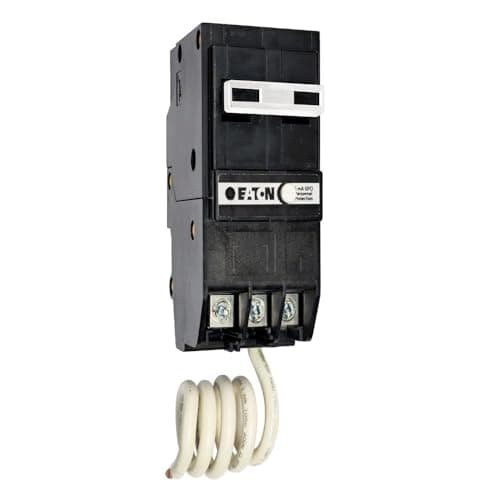
The same job in an Eaton BR panel
Eaton BRN260GF 60 A 2-Pole GFCI Breaker
Eaton's 60 A two-pole GFCI for a BR-series panel. Same role, same caveat about nuisance tripping.
#ad Price as of October 28, 2026. How we make money
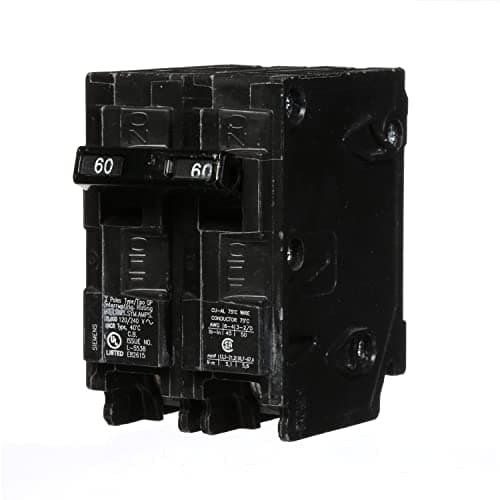
A 48 A charger in a Siemens or Murray panel
Siemens Q260 60 A Double-Pole Breaker
The standard 60 A two-pole breaker for a 48 A hardwired charger — 48 A x 125% = 60 A, exactly as NEC 625.41 requires.
We earn commission on qualifying purchases at no cost to you. Affiliate disclosure.
The Square D QO260GFI is the 60 A two-pole GFCI for a QO panel, and the Eaton BRN260GF does the same job in a BR panel. The Siemens Q260 is the plain 60 A two-pole — the breaker a hardwired 48 A charger uses, with no GFCI device in the path at all. More options and the sizing logic in best breakers for an EV charger circuit.