The short answer
The Grizzl-E Classic is the best EV charger without an app: 40 A / 9.6 kW, amperage set by physical switches inside the unit, a cast-aluminum NEMA 4 enclosure rated IP67, and no radio of any kind to drop off a network. The Lectron Nexus (40 A) is the cheaper no-app choice with a UL 2594 ETL listing, and the Lectron 40 A cordset is the cheapest way to get 9.6 kW into a car at all. None of them will ever ask you to make an account.
Quick picks
Ranked by fit for the stated use case first, then price, then warranty and support. Tap any row to jump to the full assessment. Commission rate plays no part in the order.
| # | Product | Best for | Score | Price |
|---|---|---|---|---|
| 1 | 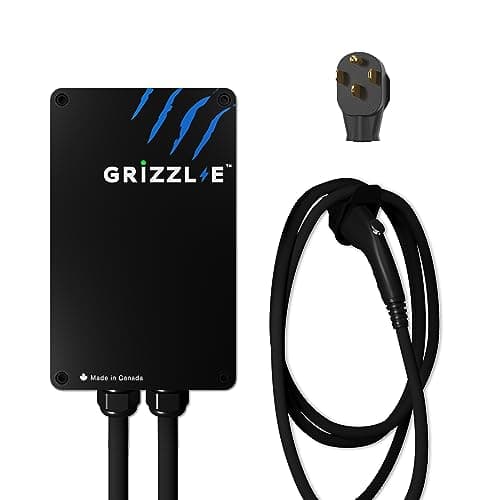 Grizzl-E ClassicA cast-aluminum 40 A charger with dip switches instead of a cloud account. | An outdoor install, and anyone who distrusts apps | 8.5 | $299.99View on Amazon $399.00 list · 25% off |
| 2 | 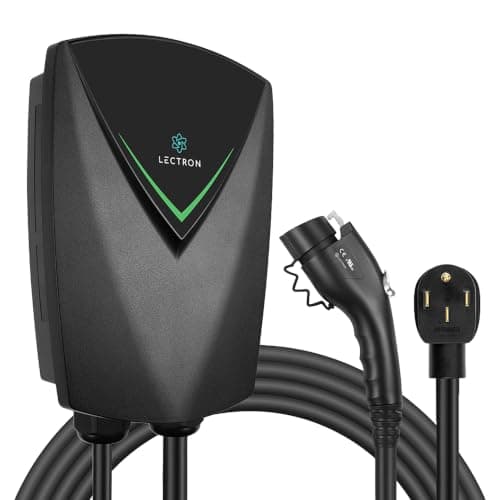 Lectron Nexus Level 2 Charger (40 A)Lectron's wall-mount unit, carrying a UL 2594 certification (ETL listed) and a 23 ft cable — the step up from their portable cordset without stepping into premium money. | A budget unit with a real UL file | 7.8 | |
| 3 | 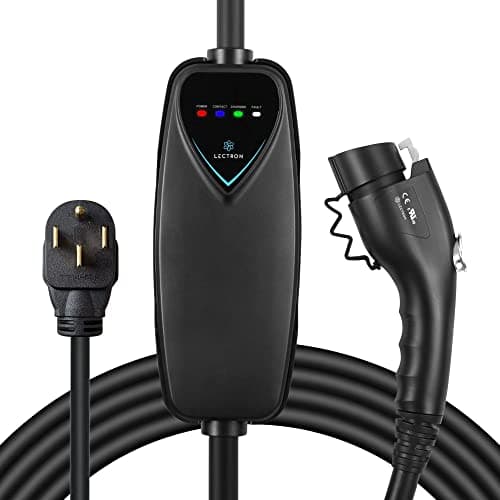 Lectron Level 2 EV Charger (40 A, NEMA 14-50)A 40 A ETL-certified portable charger for roughly half what the smart units cost. | The cheapest charger worth owning | 7.9 | |
| 4 | 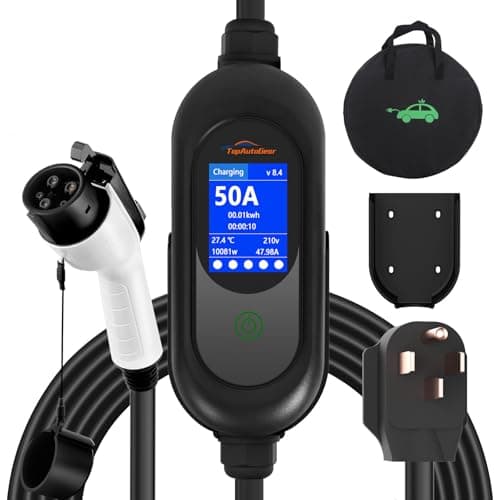 TopAutoGear Portable Level 2 EV Charger (50 A)A portable cordset at up to 50 A, which is unusual — most portables stop at 40. | A renter who has a real 14-50 outlet | 7.4 | $218.48View on Amazon $242.76 list · 10% off |
Why anyone would want this
Smart chargers sell on features that mostly duplicate something the car already does. Your EV schedules its own charging, reports its own energy use and knows its own state of charge. The charger's app adds a second place to set the same schedule — and a cloud service that has to stay online for ten years for the feature to keep working.
- The car already schedules. Every EV sold in the US since about 2020 lets you set a departure time or a charging window in the vehicle. That is the feature people buy a smart charger for.
- A detached garage is where Wi-Fi dies. An amperage setting that lives in a physical switch does not care about signal strength. Our detached-garage guide covers the rest of that install.
- Fewer parts, fewer failures. No radio, no firmware update that bricks a unit, no account recovery when you change phones.
- Nothing is reporting your driving habits to a vendor's servers.
| Charger | Max output | How you set the amps | Enclosure | Certification |
|---|---|---|---|---|
| Grizzl-E Classic | 40 A / 9.6 kW | Physical switches: 16, 24, 32 or 40 A | NEMA 4 cast aluminum, IP67 | UL tested and certified, ENERGY STAR |
| Lectron Nexus | 40 A / 9.6 kW | Fixed at 40 A | Weather-rated wall unit | UL 2594 (ETL listed) |
| Lectron 40 A cordset | 40 A / 9.6 kW | Fixed at 40 A | Plastic, keep sheltered | ETL certified |
| TopAutoGear portable | Up to 50 A | Selected on the unit | Portable cordset | Listing-level claims only |
The picks
1. Grizzl-E Classic — the no-app charger to buy
An outdoor install, and anyone who distrusts apps
Grizzl-E Classic
Cast-aluminum NEMA 4 body, IP67, fire resistant, with 16/24/32/40 A set by physical switches and a 24 ft 8 AWG cord.
This is the unit for an outdoor wall, a driveway post or a detached garage. The switch-selectable amperage is the feature that matters most and gets the least attention: it means the charger can be dialled to 24 A for a tight panel without an app, a login or a firmware version. At 40 A it wants a 50 A two-pole breaker and 8 AWG copper, which is also the cheaper circuit — our breaker size chart has the pairings. If you want scheduling after all, the Classic Connect comparison is the same shell with a radio added.
2. Lectron Nexus (40 A) — the budget wall unit with a real file
A budget unit with a real UL file
Lectron Nexus Level 2 Charger (40 A)
40 A / 9.6 kW, 23 ft cable, UL 2594 ETL listing, fixed output and no app at all.
#ad Price as of October 29, 2026. How we make money
Fixed at 40 A means there is no switch and no setting — you install it on a 50 A circuit and it works. That is a genuine limitation if your panel is tight, and the reason it sits second. The full review goes through the certification and the warranty discrepancy between Lectron's own page and the retail listings.
3 and 4. The cordsets, if you would rather not mount anything
No app and no installation
Both of these are plug-in cordsets rather than wall units. They are the cheapest route to 9.6 kW, they come with you when you move, and neither has ever heard of a firmware update.
The cheapest charger worth owning
Lectron Level 2 EV Charger (40 A, NEMA 14-50)
A 40 A ETL-certified portable charger for roughly half what the smart units cost. It does one thing, it does it at 9.6 kW, and for a household charging overnight on a flat rate that is the whole job.
#ad Price as of October 29, 2026. How we make money
A renter who has a real 14-50 outlet
TopAutoGear Portable Level 2 EV Charger (50 A)
A portable cordset at up to 50 A, which is unusual — most portables stop at 40. If a rental genuinely has a 14-50 on its own circuit, this gets close to a wall charger without touching the wall.
We earn commission on qualifying purchases at no cost to you. Affiliate disclosure.
The trade is weather and warranty: a plastic-bodied cordset belongs under cover, and a plug-in install needs GFCI protection on the receptacle under NEC 625.54. Full options in best portable Level 2 EV chargers and best plug-in EV chargers.
What you actually give up
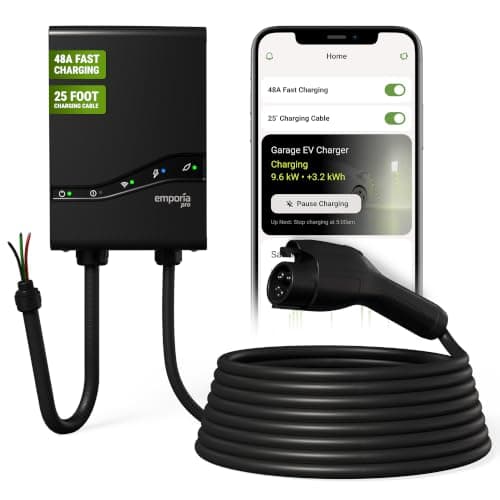
- Measured load management. Not scheduling — scheduling lives in the car. The genuinely useful smart feature is a charger that watches total house draw and backs off. The Emporia Pro does that with a whole-home monitor and a no-app charger cannot.
- Energy reporting for tax or rebate paperwork. Some state and utility programs want kWh records. Check the program before you buy, because a panel-level monitor can also provide them.
- Remote start and stop. Mostly a novelty at home, occasionally useful for a shared driveway.
How we picked
Every unit here is currently purchasable, carries a real UL or ETL certification to the relevant standard, and comes from a brand with an identifiable North American support path. We verified each one's published specifications against the manufacturer's own documentation on the date shown at the top of this page. We verify specifications; we do not bench-test hardware, and our methodology says so in plain terms. Ranking order is fit for the stated use case first, then price, then warranty and support — commission rate plays no part in it. For this page a published UL or ETL file is a hard gate: the whole argument for a simple charger is reliability, and an uncertified box is not reliable at any price.